عربى

Content
A small fishing boat auxiliary engine loses compression after an overheated run. The head gasket is replaced, the engine starts, but white smoke and coolant loss return within a few hours. The problem is not the gasket alone. A crack between the valve seats in the cylinder head is letting combustion pressure into the cooling system. On a single cylinder diesel engine, that one casting carries the entire combustion load, so a small defect has nowhere to hide.
The short answer is this: single cylinder diesel engines are mechanically simple, but their cylinder heads are not generic. Fit is defined by combustion chamber shape, injector seat depth, valve train geometry, cooling passages, and gasket thickness. If any of those differ, the engine may start and still run badly, overheat, or fail again.
Why single cylinder diesel engines remain in service
A single cylinder diesel engine has one power cylinder and one piston. In four-stroke form, it produces one combustion event every two crankshaft revolutions. That makes the power delivery uneven, but the design is compact and easy to service. Common applications include irrigation pumps, generators, tillers, compressors, small fishing boats, and auxiliary drives. Power output ranges from a few horsepower in portable equipment to tens of horsepower in low-speed marine units with large flywheels.
The appeal is practical. There are fewer parts, easier access around the cylinder head, a simple fuel system, and good fuel consumption at steady load. Many units use decompression levers for easier starting and hand-crank or small electric starting systems. The limits are equally clear: vibration, pulsating torque, lower power density, and greater sensitivity to cooling and injection faults. In marine use, raw-water cooling and long periods at low load add corrosion and carbon risks.
Those traits shape maintenance. A single cylinder engine can tolerate worn rings or a weak injector for a while, but it cannot tolerate a poorly sealed cylinder head. Compression, combustion, cooling, and lubrication all meet at that part.
What the cylinder head controls
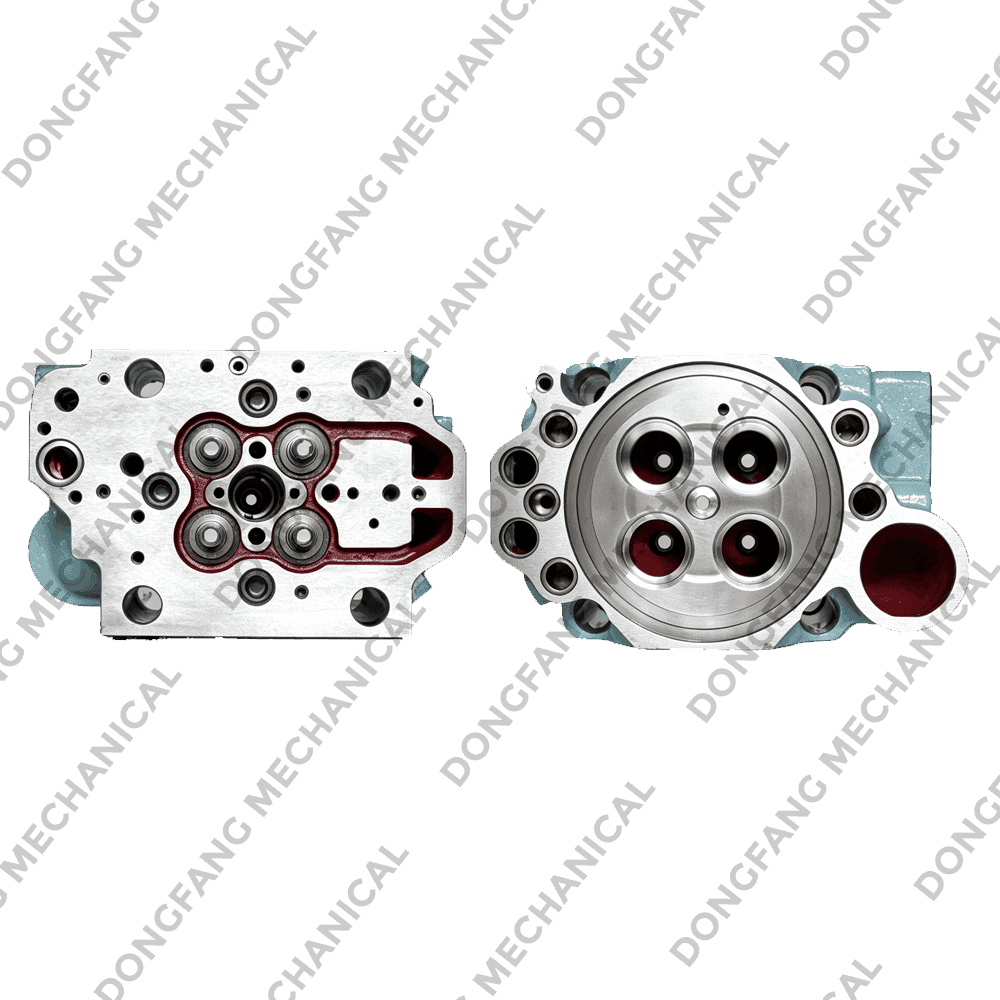
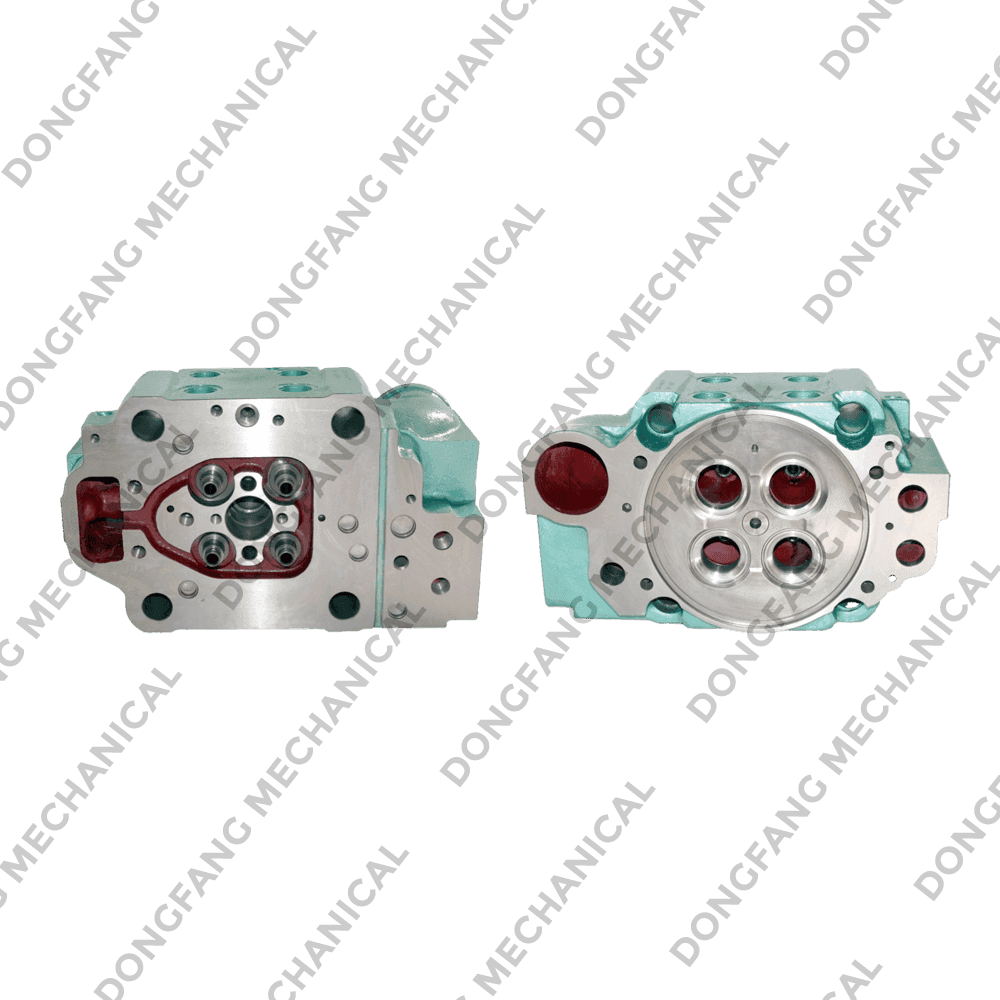
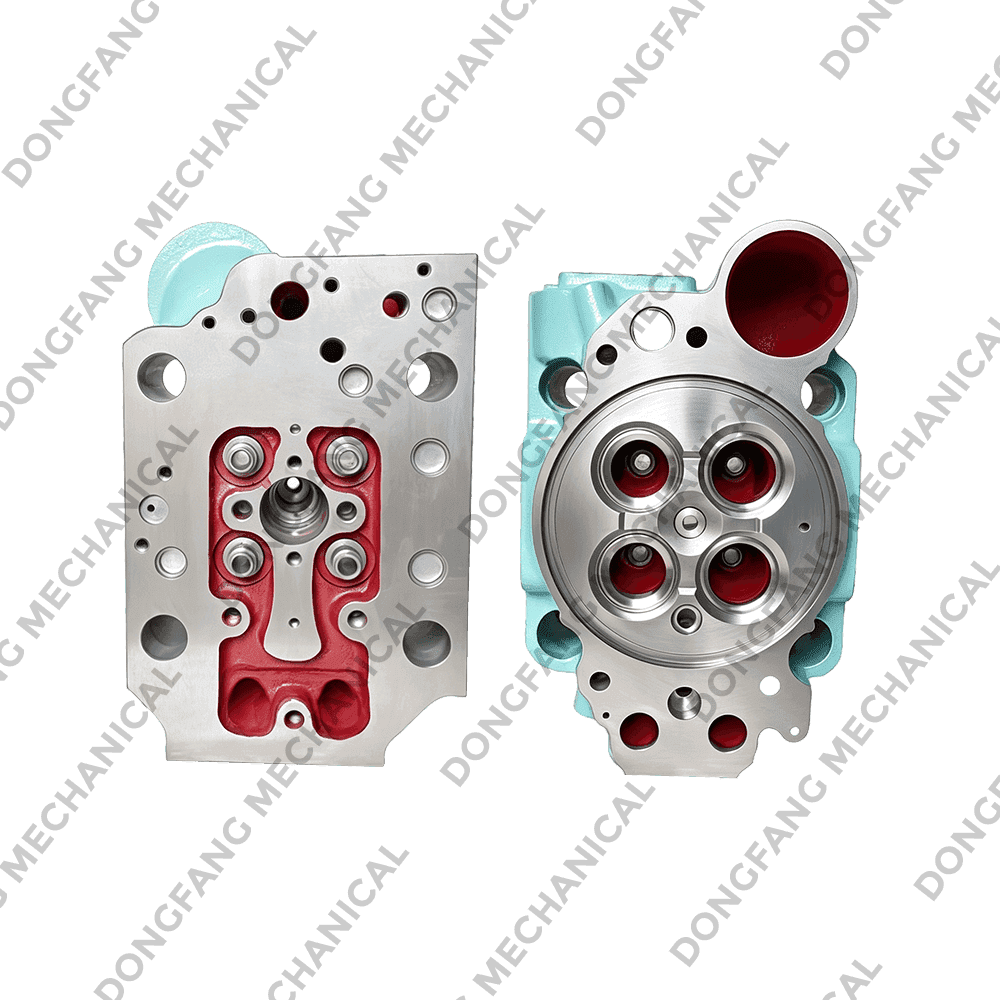
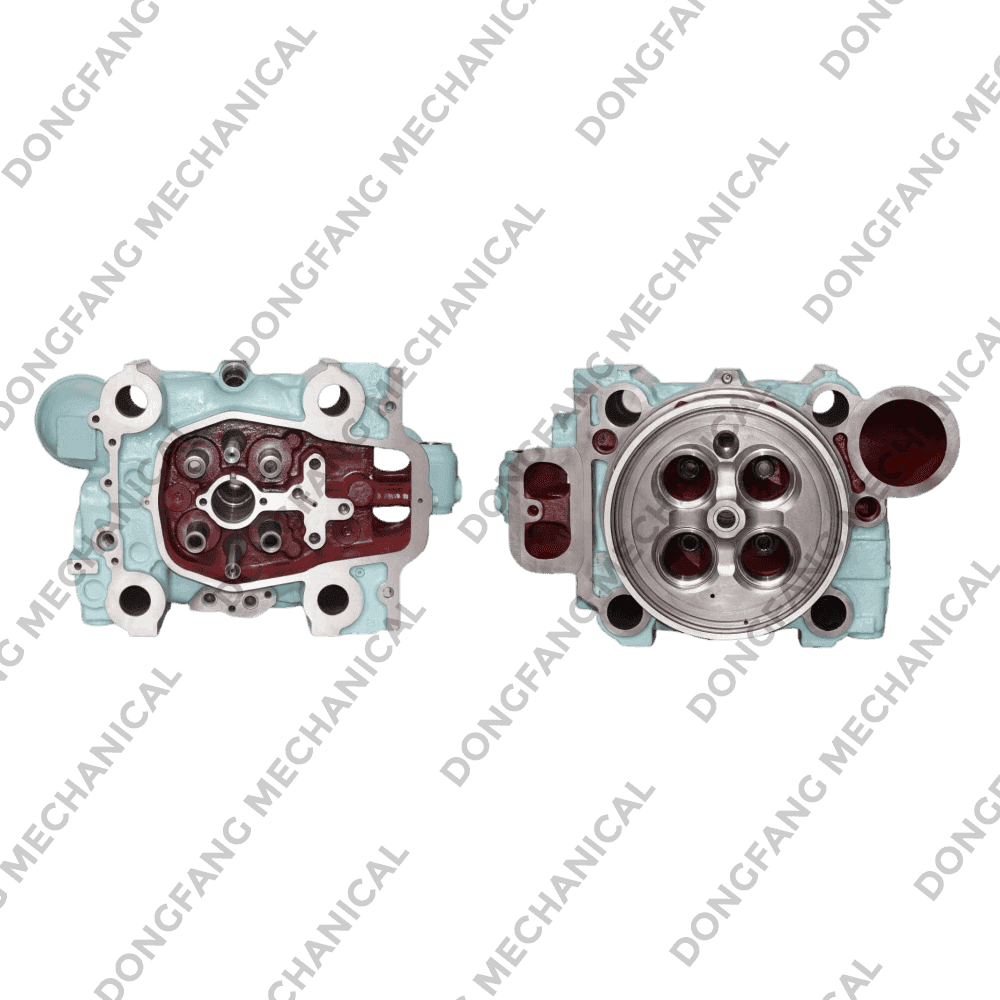
The cylinder head closes the top of the cylinder and holds the injector, intake and exhaust valves, valve seats and guides, rocker assembly, and cooling jacket. On a multi-cylinder engine, a problem in one section may be offset by the others. On a single cylinder diesel engine, the whole head is the combustion chamber boundary. A crack, warped gasket face, recessed valve seat, or wrong injector washer changes starting, smoke, compression, and coolant flow at once. For a closer look at the part and its passages, see what is a cylinder head.
Typical failure modes include cracks between valve seats or around the injector bore after overheating, gasket leaks caused by poor liner protrusion or a warped head, valve seat recession from incorrect lash or poor fuel, carbon build-up around the injector tip, and corrosion in raw-water passages. Symptoms include hard starting, white or black smoke, coolant loss, a pressurised cooling system, oil in coolant, and a misfire that does not respond to injector service.
Fit checks that matter before buying
Compatible does not always mean correct. Small engine families often share bolt patterns and external dimensions while using different combustion bowls, injector angles, or cooling jackets. The table below lists the checks that separate a workable replacement from a costly rework.
| Check | Why it matters | Evidence to request |
|---|---|---|
| Engine identity | External dimensions can match while the combustion chamber and injector position differ | Nameplate photo, engine model, serial number, and original head casting number |
| Combustion chamber and injector bore | Wrong bowl shape or injector protrusion changes compression, smoke, and starting | Dimensional drawing with injector seat depth and chamber profile |
| Valve train geometry | Valve stem length, spring seat, rocker ratio, and installed height affect contact and timing | Valve protrusion and installed height measurements |
| Cooling passage layout | Marine raw-water cooled engines can differ by jacket route, core plugs, and anode ports | Gasket match and coolant passage map |
| Head gasket thickness | Compressed thickness changes piston to valve clearance and compression ratio | Gasket part number and compressed thickness |
| Casting and pressure test | Porosity or cracks may open only after thermal cycling | Pressure test report and material grade |
For a single cylinder engine, small differences are not averaged across other cylinders. An injector protrusion error of 0.2 mm or a different chamber bowl can change ignition delay and smoke. Ask for a dimensional report, not only a photo. On raw-water cooled marine units, confirm core plug positions, anode ports, and coolant passage layout against the gasket before ordering.
Replacement parts and sourcing for single cylinder diesel engines
When diagnosis points to a cracked or warped head, sourcing becomes a fit and documentation exercise. A supplier should confirm engine family, serial range, original casting number, and gasket thickness. The replacement should be pressure tested, have valve seats concentric within the maker's limit, and come with injector seat and valve guide data. For a boat or remote site, order gaskets, head bolts if torque to yield, injector seals, and the valve cover gasket together. Freight delay often costs more than the parts.
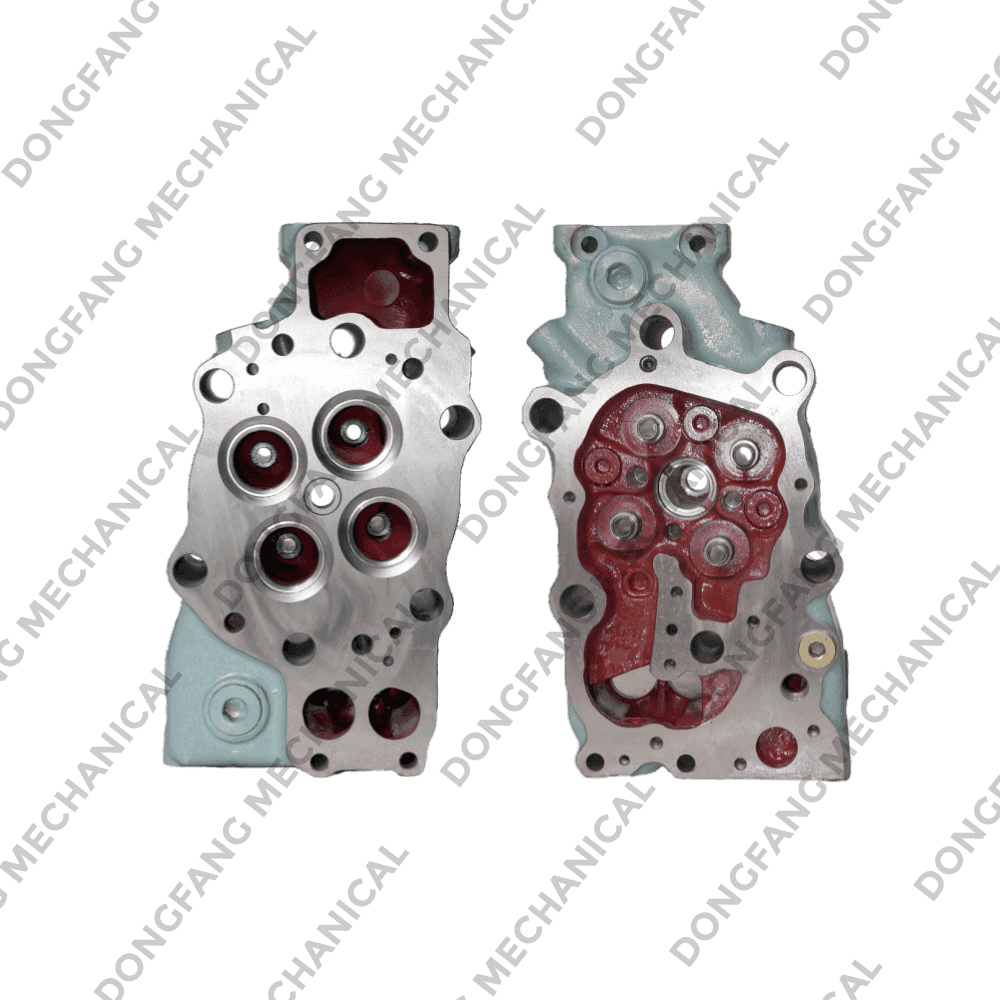 Aftermarket Cylinder Heads for Yanmar Marine Diesel EnginesReplacement heads for listed Yanmar marine and industrial models, with pressure testing and two material options for maintenance or heavy-duty use.View Product →
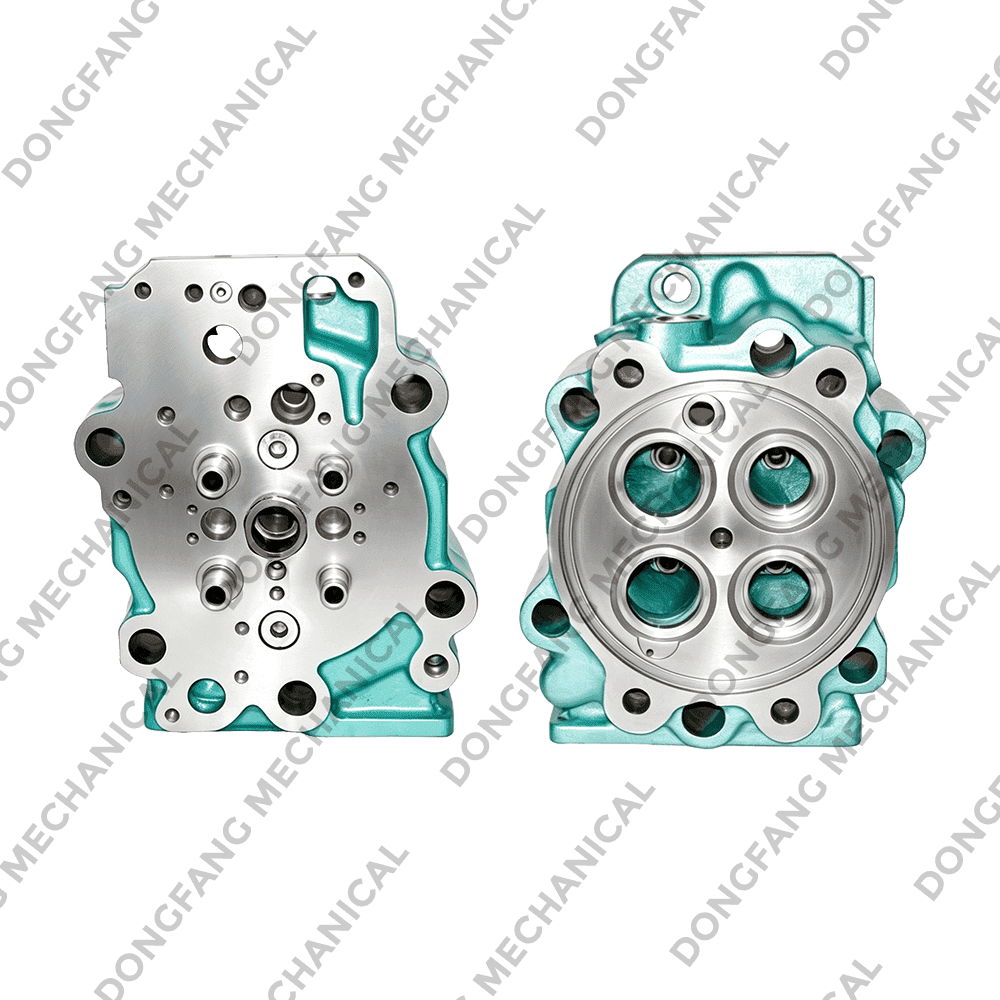 Daihatsu-Compatible Cylinder Heads for Marine and Industrial Diesel EnginesThird-party replacement heads for listed Daihatsu marine and generator models, offered in gray cast iron or compacted graphite iron for different duty cycles.View Product →
The product catalog is organised by engine make and model compatibility, which is more useful than a generic horsepower rating. For a single cylinder unit, do not choose by engine size alone. Use the nameplate, the original head number, and the gasket as a set. If the engine is a domestic model with unclear documentation, send photos of the head, gasket, injector bore, and valve train before ordering.
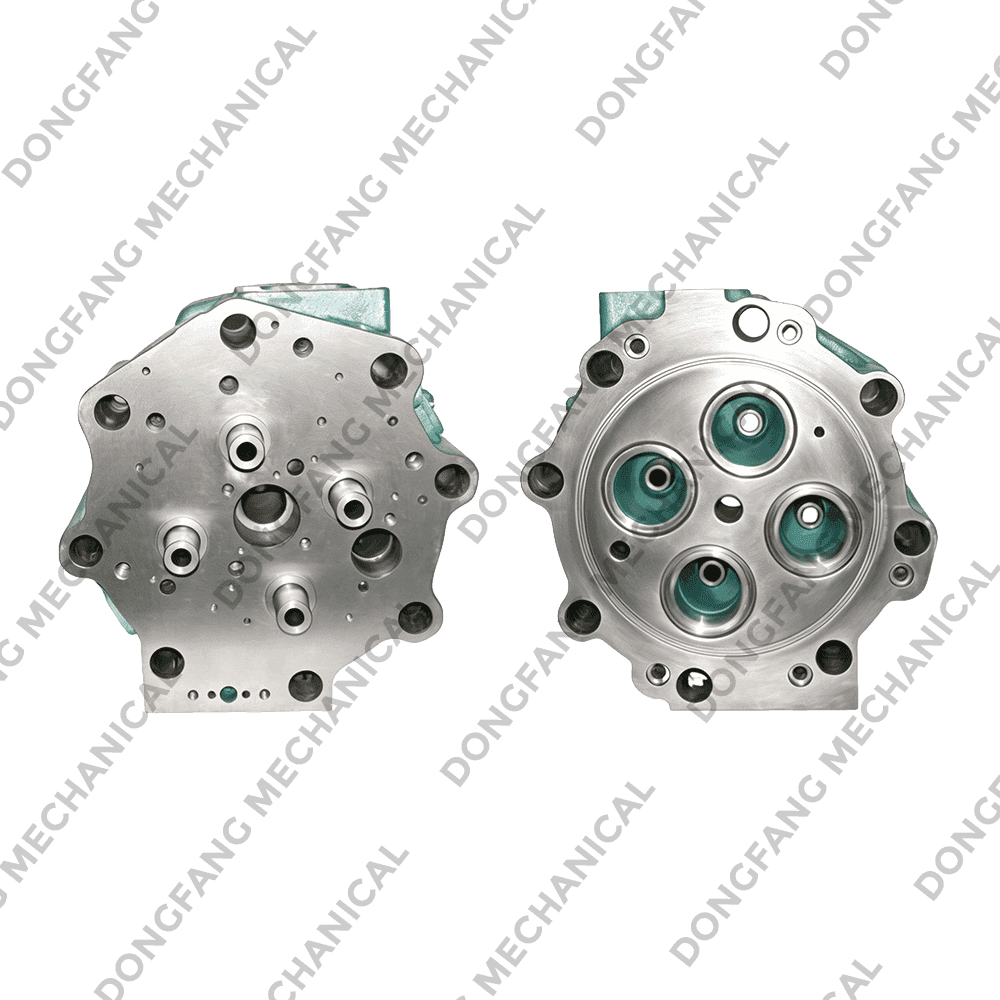 Replacement Cylinder Heads for Domestic Marine and Industrial Diesel EnginesAftermarket heads for listed domestic engine models, with gray cast iron or CGI options and inspection steps such as pressure and air-tightness testing.View Product →
For larger marine auxiliaries and low-speed fishing engines, corrosion and thermal history often decide whether a replacement head is viable. A pressure test and a flatness check are minimum requirements. Ask whether the head is supplied bare or assembled, and whether valves, springs, guides, and seats are included. A bare head can be the right choice when the existing valve train is within specification. An assembled head reduces installation time but still requires valve clearance and injector protrusion checks.
Installation and first-run checks
Most premature failures after replacement come from installation, not the casting. Clean blind bolt holes, oil or sealant as specified, check liner protrusion, use a new gasket, and torque in stages. Use an angle gauge where the manual calls for torque plus angle, and do not reuse torque to yield bolts. Set valve clearance cold unless the manual says otherwise. Check injector seat and copper washer condition, and confirm no coolant is trapped in blind holes.
- Record engine model, serial number, head casting number, and gasket thickness before cleaning.
- Check head flatness with a straightedge and feeler gauge at the manual's measuring points, then compare with the maker's limit rather than a generic figure.
- Verify injector protrusion and valve installed height, because a few tenths of a millimetre can affect smoke and starting.
- Torque in the specified sequence with a calibrated wrench and use an angle gauge where required.
- After the first heat cycle, recheck valve clearance, coolant level, and external leaks.
On raw-water cooled marine engines, confirm impeller condition, zinc anodes, and coolant flow before applying load. Run the engine at low load first, watch for coolant movement and unusual smoke, and recheck torque only where the manual permits it.
A practical buying decision
If the existing head is cracked beyond repair, replacement is usually the lower risk route for a single cylinder diesel engine, provided the supplier can document fit. If damage is limited to a gasket or one valve seat, local repair may be faster, but the head still needs a pressure test and flatness check. For obsolete or imported engines, lead time and documentation outweigh a low unit price. A cheap head that needs re-machining, new guides, and a second gasket set is not a saving.
Use a simple rule: confirm identity, confirm dimensions, confirm pressure test, then install by the book. Single cylinder diesel engines are forgiving in daily operation but not forgiving of a mismatched cylinder head. The right part is the one that matches the combustion chamber, injector, valve train, cooling jacket, and gasket as a system.