


 عربى
عربى 
A fishing vessel comes back to port with blue exhaust smoke, a coolant level that keeps dropping, and an engine that needs longer cranking before it fires. The owner asks whether to repair, rebuild, ...
READ MORE
information to be updated
Compatible Models: 6KSLH275, 6GSLH275, 6GSLH300, 6ESLH633, 6KSLH370, 6ZSHC370, 6GSLH370
I. Product Overview
DONGFANG cylinder heads are third-party compatible replacement spare parts independently manufactured by DONGFANG, suitable for Makita marine and industrial diesel engines, and widely used for maintenance and replacement of marine main engines, auxiliary engines, and generator sets.
The cylinder head is a core high-pressure load-bearing component of a diesel engine, continuously exposed to high temperatures, high pressure, and alternating loads during operation. The product’s structural strength, sealing accuracy, and machining quality directly affect the overall operating stability and service life of the engine.
DONGFANG adopts precision casting, heat treatment stabilization, and CNC precision machining processes, combined with standardized factory inspection, to provide stable and cost-effective replacement solutions for marine operating conditions.
II. Compatibility Range and Application Scenarios
Compatible with mainstream Makita marine diesel engine models.
Application scenarios:
•Marine main propulsion power systems
•Marine auxiliary generator sets
•Industrial stationary diesel power equipment
The assembly dimensions can be accurately matched one-to-one based on the engine model, part number, old parts, or drawings provided by customers, achieving non-destructive replacement.
III. Core Product Functions
1. Stable Combustion Chamber Sealing to Maintain Smooth Power Output
Maintains stable cylinder pressure, prevents pressure loss and gas leakage, and ensures continuous and stable operation of the engine unit.
2. Optimized Intake and Exhaust Flow to Reduce Operating Energy Consumption
The air passage structure is reasonably designed to ensure sufficient gas exchange, improve combustion efficiency, and reduce power loss.
3. Precision Fuel Injection Installation Structure for Stable Combustion Conditions
The injector holes are precision-machined to ensure reliable positioning and sealing, reducing problems such as fuel leakage and abnormal combustion.
4. Efficient Circulating Heat Dissipation to Resist High-Temperature Fatigue Damage
The cooling water passage heat dissipation performance is optimized to effectively reduce common high-temperature failures such as thermal cracks and cylinder head deformation.
IV. Dual Material Options for Different Operating Conditions
1. High-Strength Alloy Gray Cast Iron
It provides stable performance and high cost-effectiveness, suitable for routine maintenance of conventional ships and industrial equipment.
2. Compacted Graphite Iron (CGI)
It provides higher strength, toughness, and thermal crack resistance, suitable for heavy-duty, high-load, and long-term continuous operating conditions.
V. Manufacturing Process
•Resin sand precision casting ensures a well-formed internal structure with a low defect rate.
•Aging heat treatment eliminates internal stress, preventing deformation during long-term operation.
•CNC precision machining is applied to core holes and sealing surfaces, ensuring high assembly accuracy.
•Each individual product undergoes dimensional inspection, water pressure testing, air-tightness testing, and anti-corrosion treatment.
Suitable for harsh marine working environments with high salt spray and high humidity.
VI. Improvement of Common Failures
It can effectively improve common issues such as thermal cracks, poor valve sealing, cooling water passage corrosion, injector leakage, and cylinder head deformation, enhancing the overall stability of equipment operation.
VII. Core Advantages of DONGFANG Products
1. High Compatibility Direct Replacement, Shortening Maintenance Time
Dimensions match assembly standards accurately, requiring no modification or grinding, reducing equipment downtime losses.
2. Special Optimization for Marine Operating Conditions
The structural durability is optimized for marine environments with high temperatures, high salt content, and high loads.
3. Full Inspection Before Delivery, Controllable Quality
Each product undergoes multiple pressure tests, air-tightness inspections, and dimensional inspections to prevent potential quality risks.
4. Flexible Supply and Customized Services
Supports sample orders, bulk orders, private labeling, and customized production based on customer drawings and samples.
VIII. Application Fields
Widely applicable to maintenance of main engines for fishing vessels, cargo ships, and engineering vessels;
Covers marine auxiliary engines, generator sets, and backup power systems;
Suitable for maintenance applications of industrial power equipment equipped with Makita diesel engines.
Compliance Disclaimer
The Makita brand and model numbers mentioned on this page are only used for product compatibility description and are provided solely as a reference for customer selection.
All DONGFANG cylinder heads are third-party aftermarket replacement parts independently designed, manufactured, and inspected by DONGFANG, and are not original equipment manufacturer (OEM) parts.
DONGFANG has no authorization, cooperation, or affiliation relationship with Makita, and is not involved in OEM manufacturing or brand co-branding.
All trademarks belong to their respective brand owners and are used only for compatibility matching purposes.
ZHOUSHAN PUTUO DONGFANG MACHINERY CO., LTD.
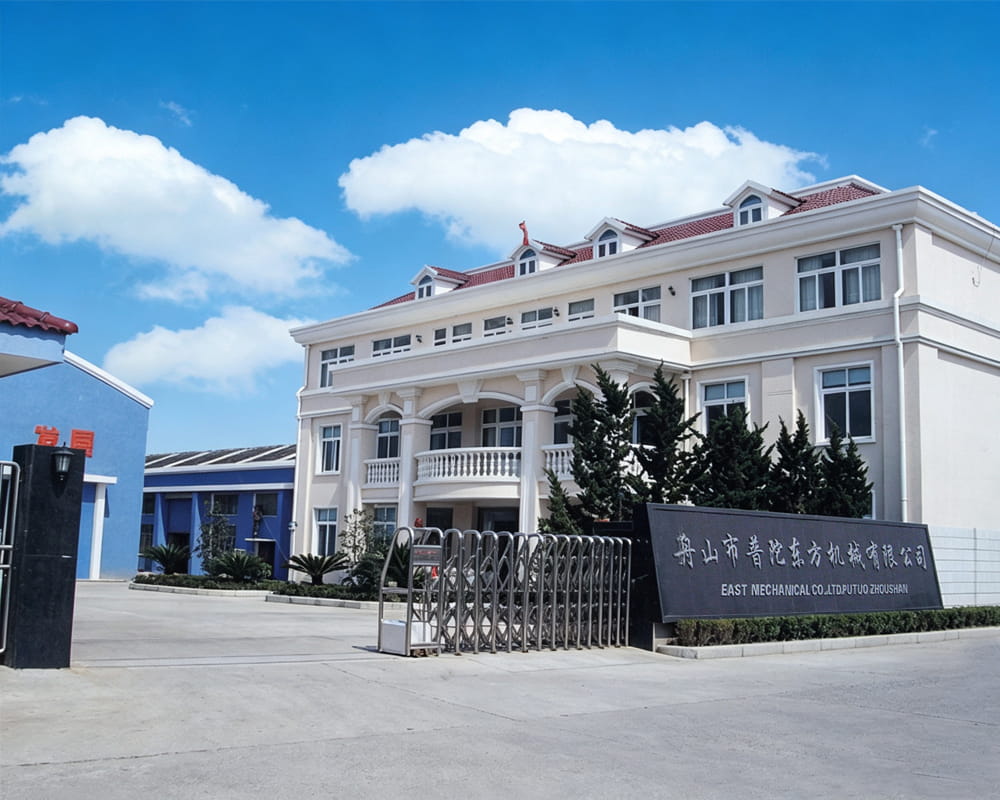
Zhoushan Putuo Dongfang Machinery Co., Ltd. is a China Wholesale Makita Marine Diesel Engine Cylinder Head Supplier and Makita Cylinder Head Replacement Manufacturer, located in the Shenjiamen Pingyang Industrial Zone, a well-known fishing port area. It faces the famous Putuo Mountain across the sea, and enjoys convenient land, sea, and air transportation.
The company is one of the earliest local factories engaged in the development, research, manufacturing, and import of diesel engine accessories. With over 20 years of experience in producing and importing accessories, the company boasts a team of experienced, highly skilled professionals with advanced management expertise in mechanical engineering.
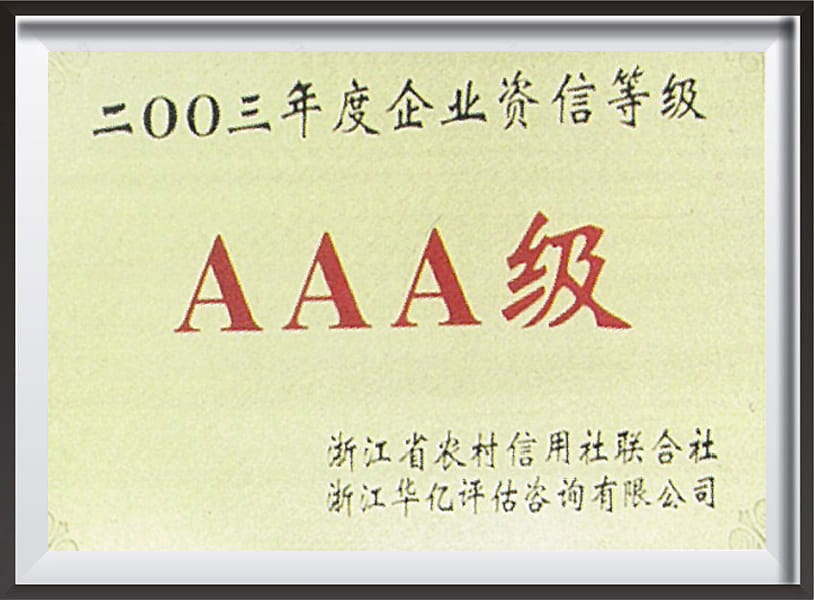
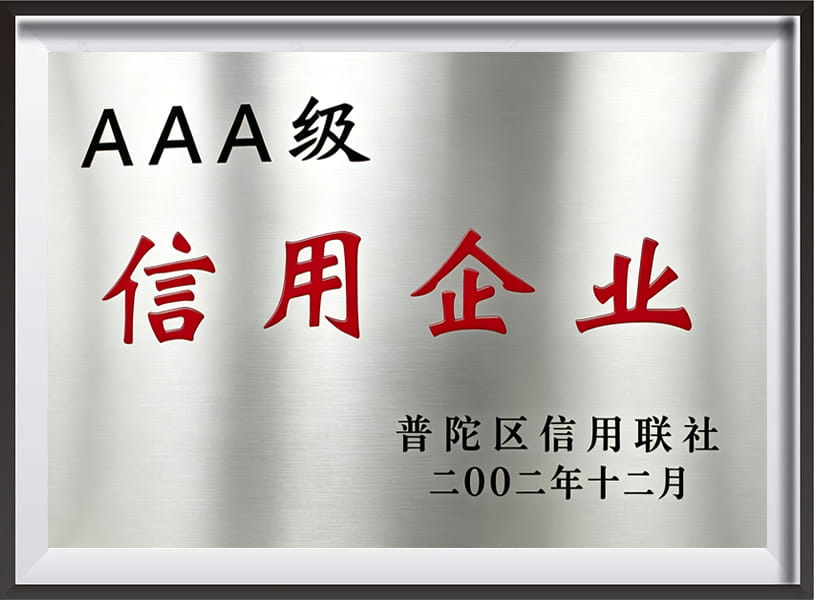
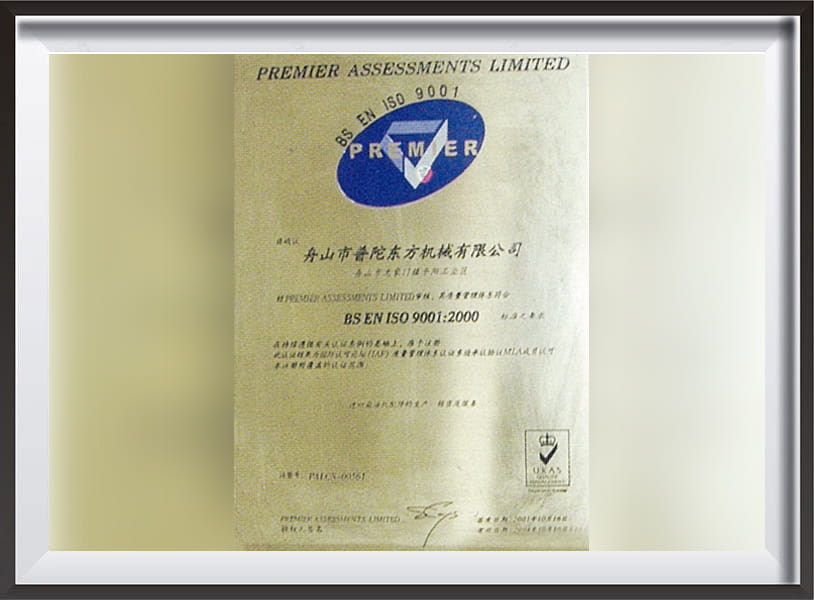
The company passed the ISO 9001 Quality Management System certification in 2001 and has been rated as an AAA-class enterprise for three consecutive years. After decades of development, it now covers an area of over 8000 square meters and produces more than 5,000 sets annually. Equipped with advanced facilities and strong production capabilities, our main products include cylinder heads, cylinder liners. Makita Cylinder Head Replacement are widely used in imported marine diesel engines. With stable quality and excellent service, we have established good cooperative relationships with major shipowners and dealers across various regions.
Oriental adheres to the business spirit of integrity, pragmatism, and continuous improvement. We uphold the principle of "Quality First, Reasonable Prices, and Dedicated Service" and look forward to creating a brighter future together with our customers!
The company is one of the earliest local factories engaged in the development, research, manufacturing, and import of diesel engine accessories. With over 20 years of experience in producing and importing accessories, the company boasts a team of experienced, highly skilled professionals with advanced management expertise in mechanical engineering.
The company passed the ISO 9001 Quality Management System certification in 2001 and has been rated as an AAA-class enterprise for three consecutive years. After decades of development, it now covers an area of over 8000 square meters and produces more than 5,000 sets annually. Equipped with advanced facilities and strong production capabilities, our main products include cylinder heads, cylinder liners. Makita Cylinder Head Replacement are widely used in imported marine diesel engines. With stable quality and excellent service, we have established good cooperative relationships with major shipowners and dealers across various regions.
Oriental adheres to the business spirit of integrity, pragmatism, and continuous improvement. We uphold the principle of "Quality First, Reasonable Prices, and Dedicated Service" and look forward to creating a brighter future together with our customers!
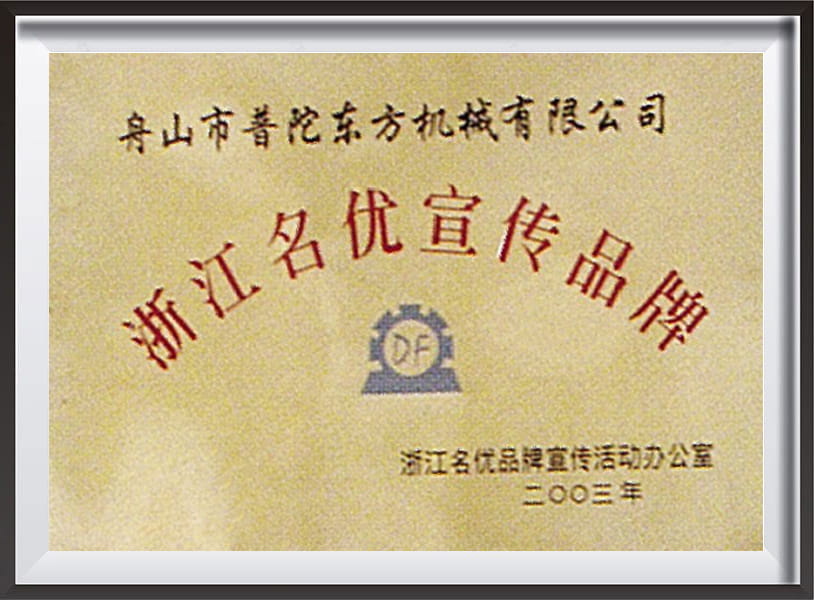
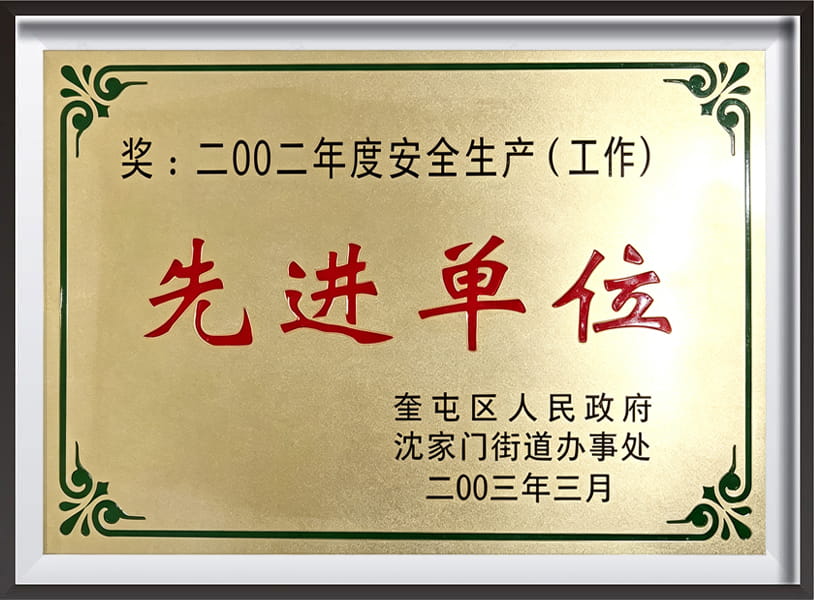
CERTIFICATE OF HONOR
LATEST NEWS
-
-
Your vessel is alongside in Piraeus, the chief engineer reports low compression on number three cylinder, and the next scheduled cargo loading is in four days. The immediate question is not whether a...
READ MORE -
A cracked head or a dropped valve on a working boat is a downtime problem long before it becomes a spare parts problem. Once the engine stops, the only question that matters is whether a compatible r...
READ MORE -
A chief engineer on a tugboat in Southeast Asia faced a familiar problem: a cracked cylinder head on a MAN 8L23/30 auxiliary engine. The vessel had a charter to fulfill in four days. A factory-origin...
READ MORE
INDUSTRY KNOWLEDGE
What Reliable Makita-Compatible Replacement Parts Deliver
Replacement Spare Parts Compatible with Makita Marine Diesel Engines exist to restore an engine to its original sealing performance, thermal behavior, and dimensional fit without requiring modification to the vessel's existing engine architecture. Among these components, the cylinder head is the most demanding to reproduce accurately, since it must match the original bore spacing, valve seat geometry, coolant passage layout, and gasket surface flatness closely enough for the part to install as a direct fit. When a cylinder head compatible with Makita marine diesel engines is produced with tight dimensional control, it integrates into the engine block, valvetrain, and cooling circuit without introducing compression loss, coolant leakage, or uneven thermal loading that could shorten the component's service life.
The direct takeaway for fleet operators and maintenance planners is that a Makita Marine Diesel Engine Cylinder Head chosen as a replacement should be judged on measurable compatibility factors: dimensional accuracy against original specifications, material integrity, sealing surface flatness, and consistency across production batches. This article reviews measured compatibility data, wear trends, and material comparisons to give a practical basis for evaluating a Makita Cylinder Head Replacement and related spare parts before they go into service.
Core Compatibility Metrics Across Replacement Part Sources
When evaluating a cylinder head intended to replace an original Makita marine engine component, five metrics matter most: dimensional accuracy, valve seat alignment, gasket surface flatness, coolant passage matching, and batch-to-batch consistency. The horizontal bar chart below scores two common sourcing approaches against these metrics on a 0-100 index built from typical field performance ranges: parts produced from reverse-engineered dimensional data and parts produced from digitally scanned reference models. The digitally scanned approach scores highest on dimensional accuracy and valve seat alignment, since 3D scanning captures original geometry with far less cumulative measurement error than manual reverse engineering, while both approaches can achieve comparable coolant passage matching when core-forming tooling is well maintained.
This index-based comparison shows that digitally scanned production extends its advantage mainly in dimensional accuracy and valve seat alignment, the two factors most likely to affect how cleanly a replacement part installs into an existing engine block. Understanding this profile helps buyers assess why sourcing method matters as much as material specification when selecting Replacement Spare Parts Compatible with Makita Marine Diesel Engines.
Sealing Performance Across Post-Installation Operating Hours
A key indicator of replacement cylinder head quality is how well the sealing interface holds compression once the engine returns to regular service. The line chart below tracks a relative sealing performance index across five stages of post-installation operating hours, from an early 500 hours up to 8,000 hours in a typical Makita marine engine application. A gradual, controlled decline is expected as gasket material and mating surfaces experience normal thermal cycling, but the trend should remain smooth rather than dropping sharply at any single stage, since a sudden decline would suggest a dimensional mismatch at the gasket surface rather than routine wear.
The sealing performance index declines from roughly 99% at 500 hours to about 87% at 8,000 hours, a gradual pattern consistent with normal gasket seating and thermal cycling rather than premature failure. This kind of predictable curve is exactly why dimensional precision at the manufacturing stage matters: a properly fitted Makita Cylinder Head Replacement should age in this smooth, expected way rather than developing sudden compression loss.
Where Makita-Compatible Replacement Parts Are Commonly Deployed
The application spread of replacement parts compatible with Makita marine diesel engines reflects the range of vessel types that rely on this engine platform. The vertical bar chart below shows a representative usage breakdown across common vessel categories, based on aggregated field usage patterns. Fishing vessels lead the distribution, followed by small cargo and utility boats, tugboats and workboats, and auxiliary generator installations.
Fishing vessels account for roughly 31% of typical deployment, reflecting how widely this engine platform is used across coastal and offshore fishing fleets that depend on dependable replacement part availability. Small cargo and utility boats follow closely, since these vessels often operate on tight turnaround schedules where downtime for engine repair directly affects daily operations.
Reverse-Engineered Fit Versus Digitally Scanned Fit
A radar chart helps visualize the trade-off between a replacement cylinder head produced using traditional reverse-engineering methods and one produced using digital 3D scanning of an original reference component. The chart below compares both across dimensional accuracy, installation fit, lead time flexibility, tooling adaptability, and consistency across production runs. The digitally scanned approach extends further on dimensional accuracy and consistency, since scan-based data removes cumulative measurement error, while the reverse-engineered approach can extend further on tooling adaptability for older or less common Makita engine variants where original reference parts are harder to source for scanning.
Neither shape covers every dimension, reinforcing why the choice of production method should be matched to the specific Makita engine variant being serviced rather than assuming one approach is universally superior. Common, widely serviced engine models benefit most from digitally scanned accuracy, while less common variants may still be well served by reverse-engineering methods applied to a well-documented Makita Marine Diesel Engine Cylinder Head reference.
Practical Selection Guidance by Application
Choosing the right replacement part starts with identifying the exact engine model, service history, and expected duty cycle of the vessel. The table below summarizes practical guidance across common scenarios.
Scenario-Based Selection Reference
| Application | Suitable Approach | Reason |
|---|---|---|
| Common fishing vessel Makita models | Digitally Scanned Replacement Cylinder Head | High dimensional accuracy for direct-fit installation |
| Older or discontinued Makita variants | Reverse-Engineered Replacement Part | Greater tooling adaptability for limited reference availability |
| Generator or auxiliary engine applications | Digitally Scanned Replacement Cylinder Head | Consistent fit supports stable long-duration operation |
| Small cargo or utility boat engines | Digitally Scanned Replacement Cylinder Head | Reliable sealing performance for frequent short-duty cycles |
Before installing a replacement cylinder head or other spare part compatible with a Makita marine diesel engine, a few additional checks help support reliable performance:
- Confirm the exact engine model and serial number against the replacement part's compatibility specification.
- Verify gasket surface flatness before installation to support proper sealing.
- Check coolant passage alignment against the original engine block layout.
- Inspect valve seat and guide dimensions before final assembly.
- Follow proper torque sequencing during installation to maintain even sealing pressure.
Manufacturing Consistency Behind Dependable Replacement Fit
The predictable sealing performance curve discussed earlier depends on consistent manufacturing controls, including accurate reference data capture, controlled casting or forging processes, and precise CNC finishing of critical mating surfaces. Variation in any of these steps can shift dimensional accuracy and how evenly a replacement cylinder head performs once installed, which is why tight process control matters throughout production. Automated machining combined with in-process dimensional verification helps keep each Makita-compatible cylinder head performing within tight tolerances across its service life, supporting the reliability trends referenced throughout this article.
Standard quality checkpoints such as pressure testing, gasket surface flatness verification, and dimensional inspection against original reference data support the performance trends shown earlier. For maintenance teams sourcing replacement parts at scale, confirming these quality checkpoints with a supplier is often as valuable as reviewing published specifications alone.
About Zhoushan Putuo Dongfang Machinery Co., Ltd.
Zhoushan Putuo Dongfang Machinery Co., Ltd. is located in the Shenjiamen Pingyang Industrial Zone, a well-known fishing port area. It faces the famous Putuo Mountain across the sea, and enjoys convenient land, sea, and air transportation. This location places the company at the center of a region where marine engine maintenance and spare parts supply are part of daily operations, giving practical, field-tested insight into what fishing fleets and small vessel operators need from a dependable replacement cylinder head.
The company focuses on producing precision-fitted Replacement Spare Parts Compatible with Makita Marine Diesel Engines, with attention to dimensional accuracy, sealing surface quality, and consistent batch production. Its position within a major fishing port area supports practical, field-informed manufacturing while maintaining the process controls needed to serve vessel operators seeking a reliable Makita Cylinder Head Replacement for continued engine service.
Frequently Asked Questions
Q1: How is compatibility with a specific Makita engine model confirmed?
A1: Compatibility is confirmed by matching the replacement part's dimensional specification, bolt pattern, and coolant passage layout against the original engine model and serial number before ordering.
Q2: How often should a replacement cylinder head be inspected after installation?
A2: Inspection intervals should follow tracked operating hours and sealing performance trends, since gasket seating typically declines gradually rather than at one fixed universal interval.
Q3: Is a digitally scanned replacement part always the better option?
A3: Not necessarily; digital scanning offers stronger dimensional accuracy for common engine models, while reverse-engineered production can still serve older or less common Makita variants effectively.
Q4: What causes uneven sealing after a cylinder head replacement?
A4: Warped gasket surfaces, inconsistent torque sequencing, or dimensional mismatch at the mating surface are common causes, which is why flatness checks and proper installation procedure matter.
Q5: What manufacturing factors most affect replacement part reliability?
A5: Accurate reference data capture, controlled casting processes, and precise CNC finishing are key factors, supported by process checks such as pressure testing and dimensional verification during production.

Get in Touch
Your email address will not be published. Required fields are marked *
contact us
ARE YOU INTERESTED IN ANY
OF OUR PRODUCTS?
Price is favorable.Welcome to inquire.
Company Address
Pingyang Industrial Zone, Shenjiamen, Zhoushan City, Zhejiang Province, China.
Tel:
+86-15957856920 Chancy
E-mail:
chancyliu@vip.163.com

-
Zhoushan Putuo Oriental Machinery, with twenty years of focus on imported marine diesel engine core components. Building good karma through stable quality, and sailing far with dedicated service.

 Copyright © Zhoushan Putuo Dongfang Machinery Co., Ltd. Wholesale Makita Marine Diesel Engine Cylinder Head Manufacturer All Rights Reserved.