عربى
عربى 
Content
A cracked head or a dropped valve on a working boat is a downtime problem long before it becomes a spare parts problem. Once the engine stops, the only question that matters is whether a compatible replacement head can reach the vessel before the next trip. The short answer is that it usually can, provided three things line up: the engine brand and model on the nameplate, the casting number on the damaged head, and the condition of the replacement when it is unpacked. Get those three right and the engine returns to full service. Get any one of them wrong and the boat stays tied up while a second head is shipped. The rest of this article works through those checks in the order they matter.
Which Marine Diesel Engines Take a Replaceable Cylinder Head
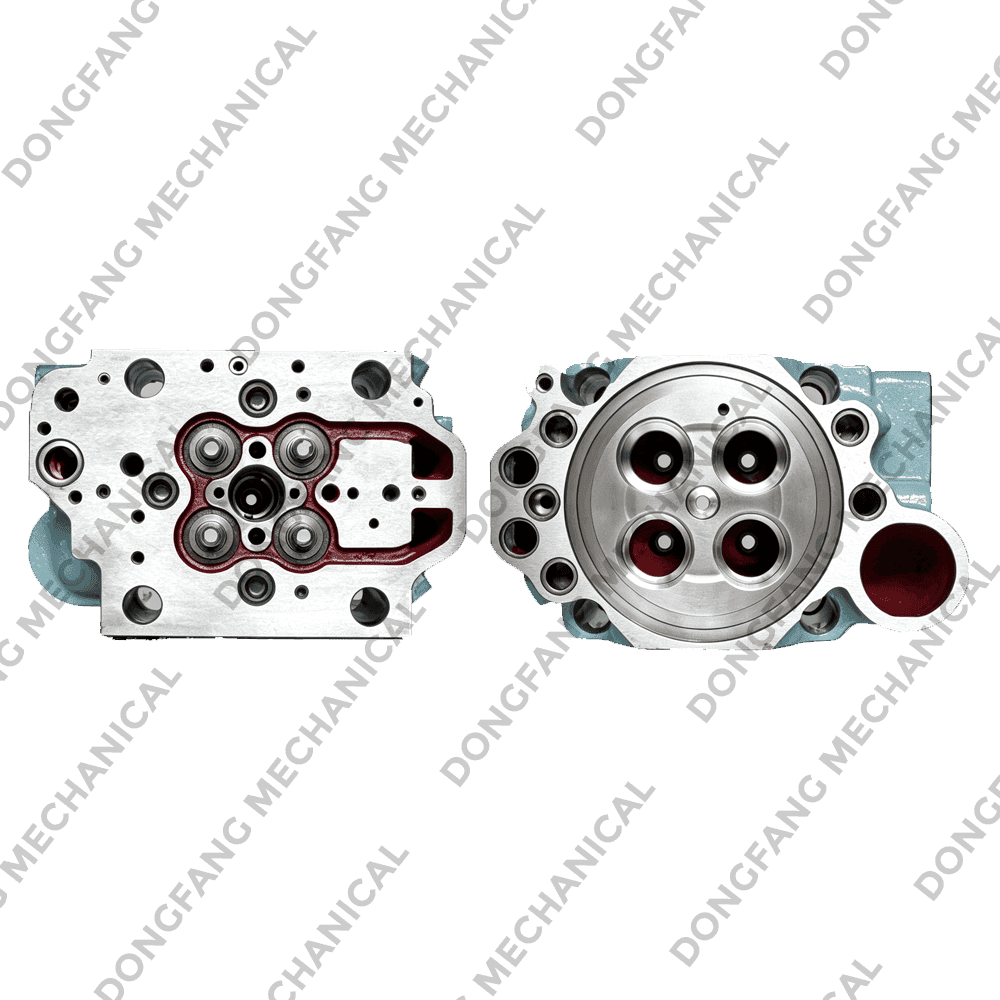
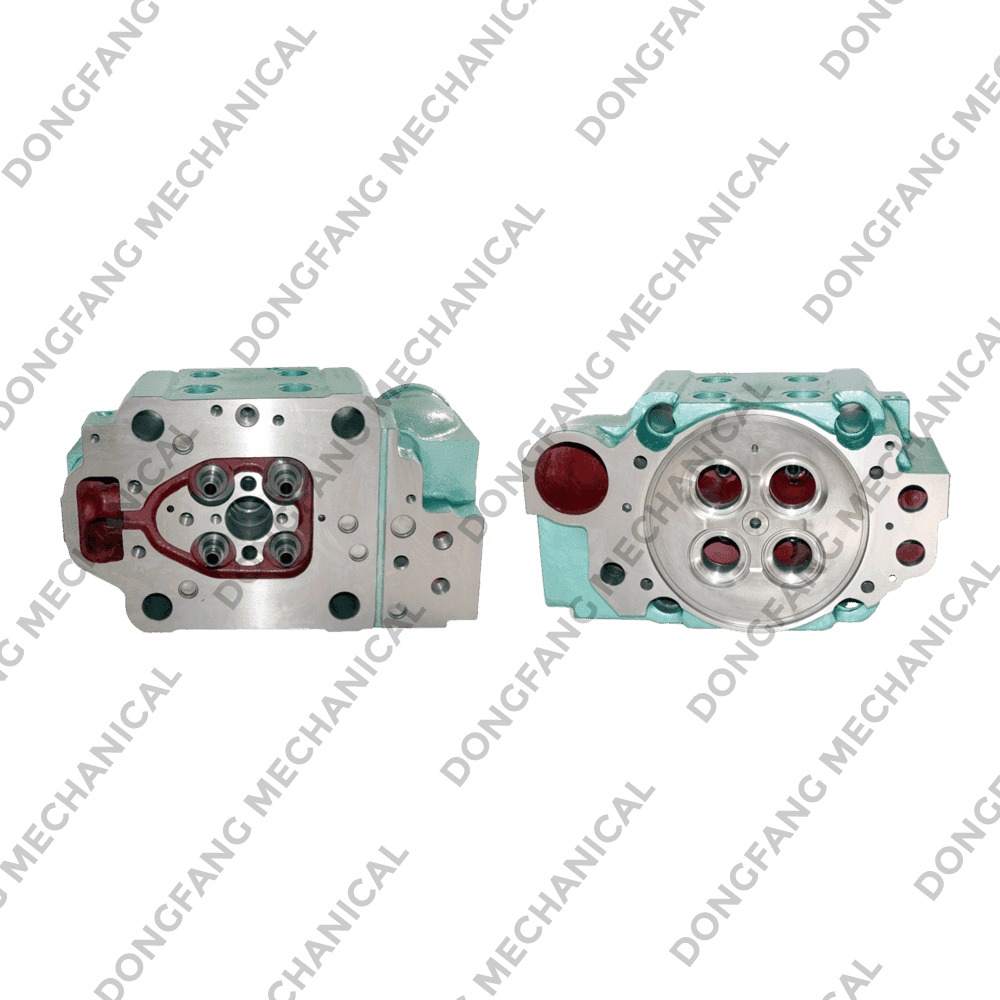
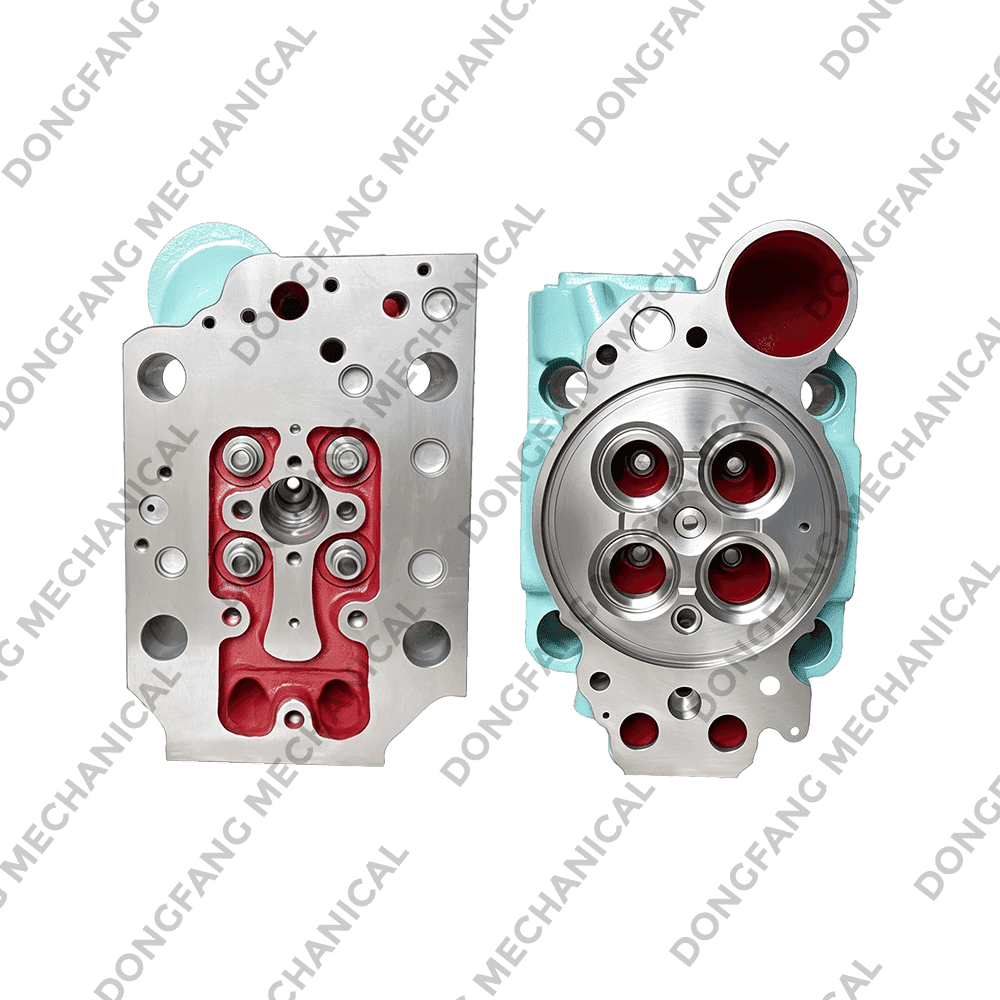
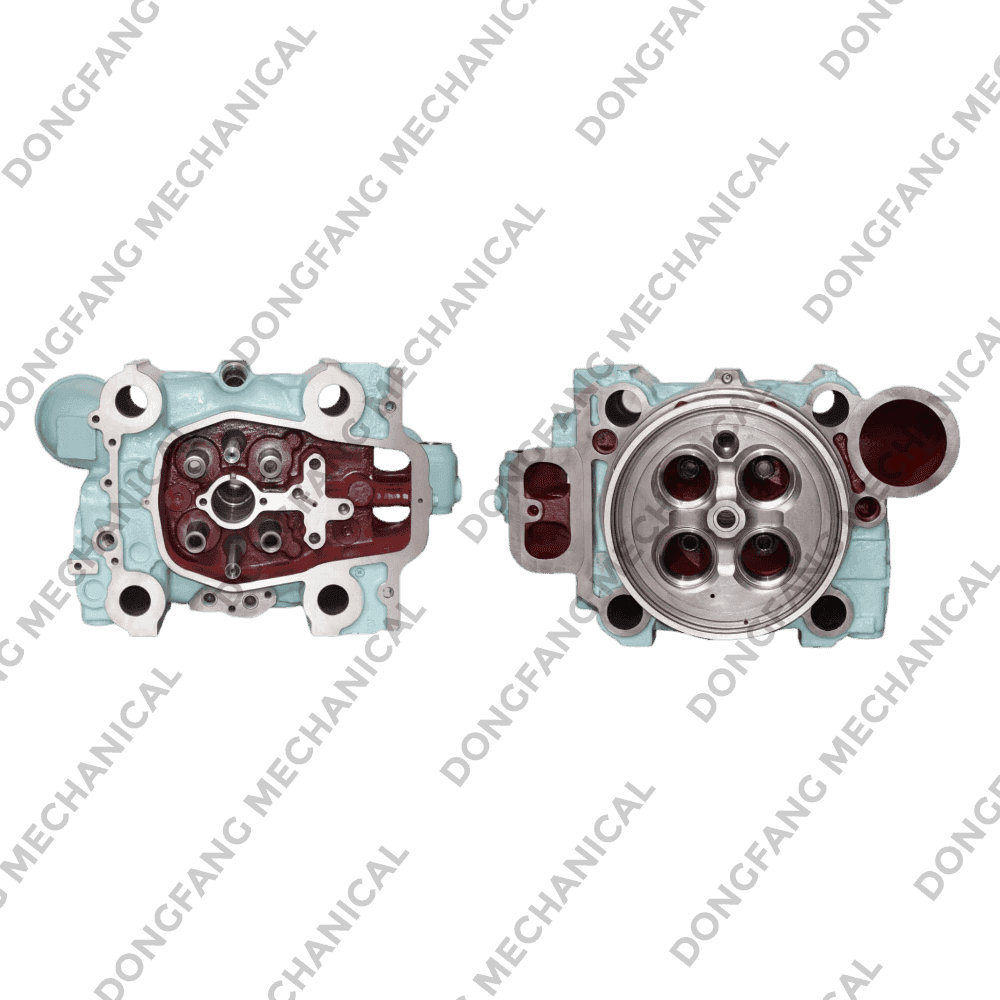
Medium and high speed four stroke marine diesel engines almost always use a detachable cylinder head. That single casting carries the intake and exhaust valves, the valve seats and guides, the injector bore and the water jacket, which means it absorbs most of the thermal load in the engine and most of the thermal damage as well. When a seat erodes, a guide wears oval, or a crack opens between two seats, replacement is normally the practical route, because welding a stressed casting rarely survives service.
Slow speed two stroke engines follow a different pattern. Their cylinder covers are replaceable too, but overhaul intervals are longer and the work is usually carried out in a shipyard with the piston withdrawn. For fishing vessels, tugs, ferries, workboats and generator sets, the four stroke head is the part that ends up on an order form.
Heads sold in this market are compatible spares rather than original equipment. They are machined to fit the engine, not to carry the engine builder's label, which is why every part is identified by the brand and model it fits. Replacement heads for MAN marine engines belong to this four stroke group and are ordered by engine model rather than by vessel type.
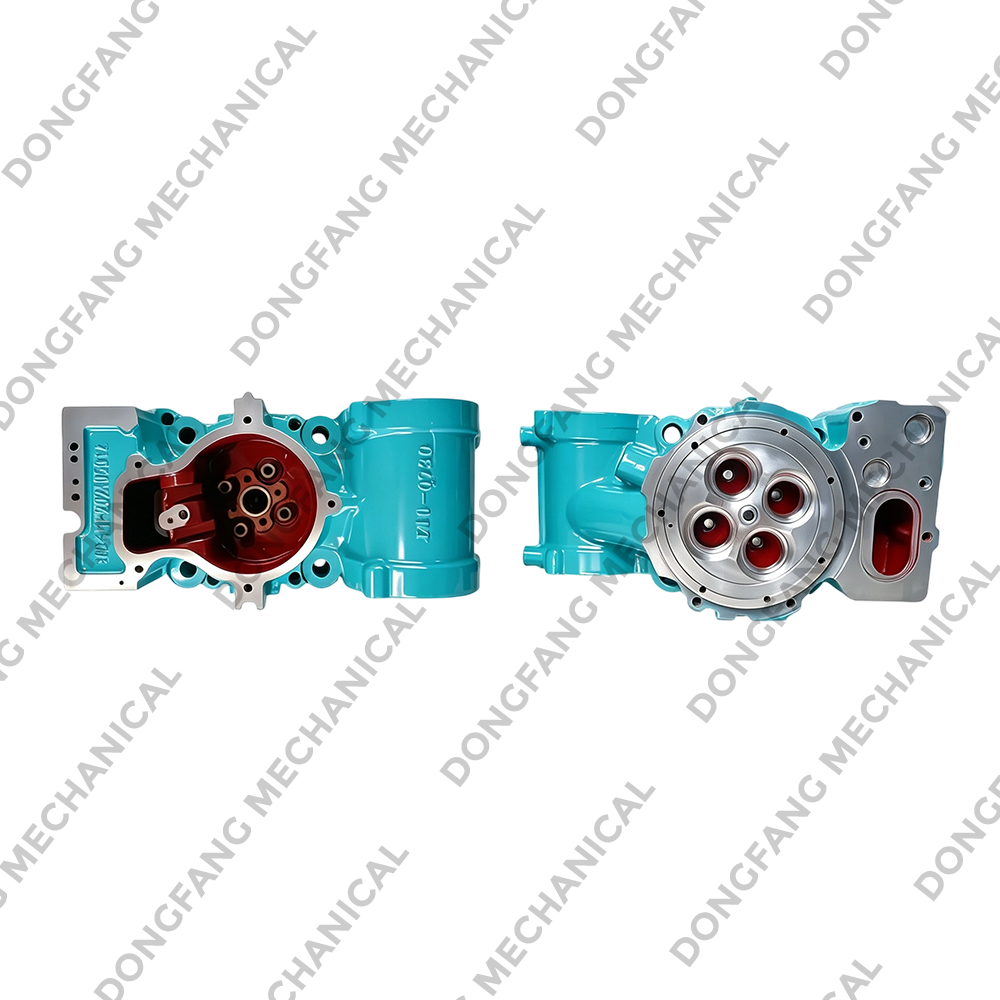 DONGFANG Replacement Cylinder Heads for MAN Marine Diesel EnginesThird-party replacement cylinder heads for MAN marine and industrial diesel engines, offered in alloy gray cast iron or CGI for maintenance and heavy-duty service.View Product →
Match the Engine, Not the Vessel
Two boats of the same length working the same grounds can carry completely different engines, and a cylinder head follows the engine, never the hull. The dependable identifiers are the engine nameplate and the casting number on the damaged head. Vessel name, builder and propeller size say nothing about which casting will bolt on.
Compatible replacement heads are catalogued by engine brand, which keeps the search simple while the nameplate is still legible. Coverage runs across Akasaka, Daihatsu, Hanshin, Kobe, MaK, Makita, MAN, Niigata, Wartsila and Yanmar, together with a separate range for domestic Chinese diesel engines where the brand marking may be missing or non standard. The complete range is set out in the cylinder head replacement catalogue, one page per engine brand.
Daihatsu marine engines sit in the middle of that range, common in coastal fishing and light commercial service, and the replacement casting for those units is listed by model family.
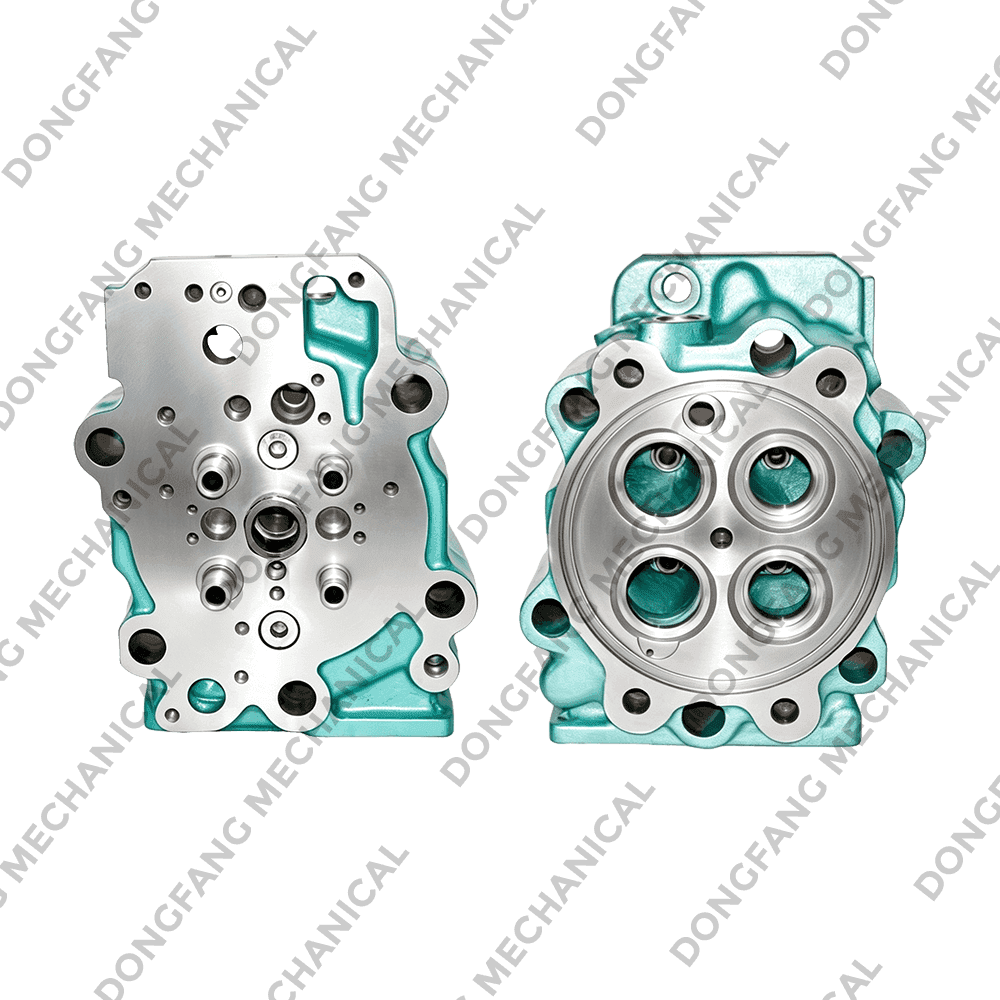 DONGFANG Replacement Cylinder Heads for Daihatsu Marine Diesel EnginesThird-party replacement cylinder heads for Daihatsu marine and industrial diesel engines, available in alloy gray cast iron or CGI for maintenance use.View Product →
What Has to Match on the Replacement Head
A cylinder head is not a single part number. It is a casting plus a set of machined features, and a replacement only works when those features line up with the block underneath. Six checks cover most of the risk.
| Item to confirm | Where to find it | Why it matters |
|---|---|---|
| Casting and part number | Cast or stamped on the original head | Confirms the correct base casting for the engine model |
| Valve arrangement | Intake and exhaust valve count per cylinder | A four valve head will not fit a two valve block |
| Injector bore and sleeve | Bore diameter and sleeve type | Mismatch causes fuel leakage and poor combustion |
| Cooling passage layout | Water jacket openings on the deck face | Wrong layout creates hot spots and gasket failure |
| Deck face flatness | Straight edge and feeler gauge measurement | An out of tolerance face will not seal against the gasket |
| Valve seat and guide condition | Measurement on receipt, before installation | Decides whether the head is fitted as delivered or reworked first |
Flatness and seat condition cause the largest share of problems on arrival. A head can be the right casting and still be unusable if the deck face is out of tolerance or if the seats need rework that was never quoted. Ask for the measurements rather than for a general assurance that the head has been checked.
Failure Signs That Point to Replacement Rather Than Repair
Some failures are unambiguous: a valve dropped into the cylinder, a crack visible between the seats, water in the lubricating oil, or compression that disappears on one cylinder. Others develop slowly and get explained away as injector trouble. Exhaust temperature that climbs on one cylinder only, white smoke under load, coolant that needs topping up every few trips, and a gradual loss of power at steady rpm all point toward the head.
The economics are straightforward once the damage is known. A head that has dropped a valve has usually marked the piston and liner as well, so the decision covers the whole top end rather than the head alone. Where guides and seats are simply worn, reconditioning can still be the cheaper route, and a guide to how long replacement parts last in normal service helps when planning that choice.
Yanmar marine engines, common in light commercial and fishing service, follow the same pattern, and those replacement castings are catalogued by model.
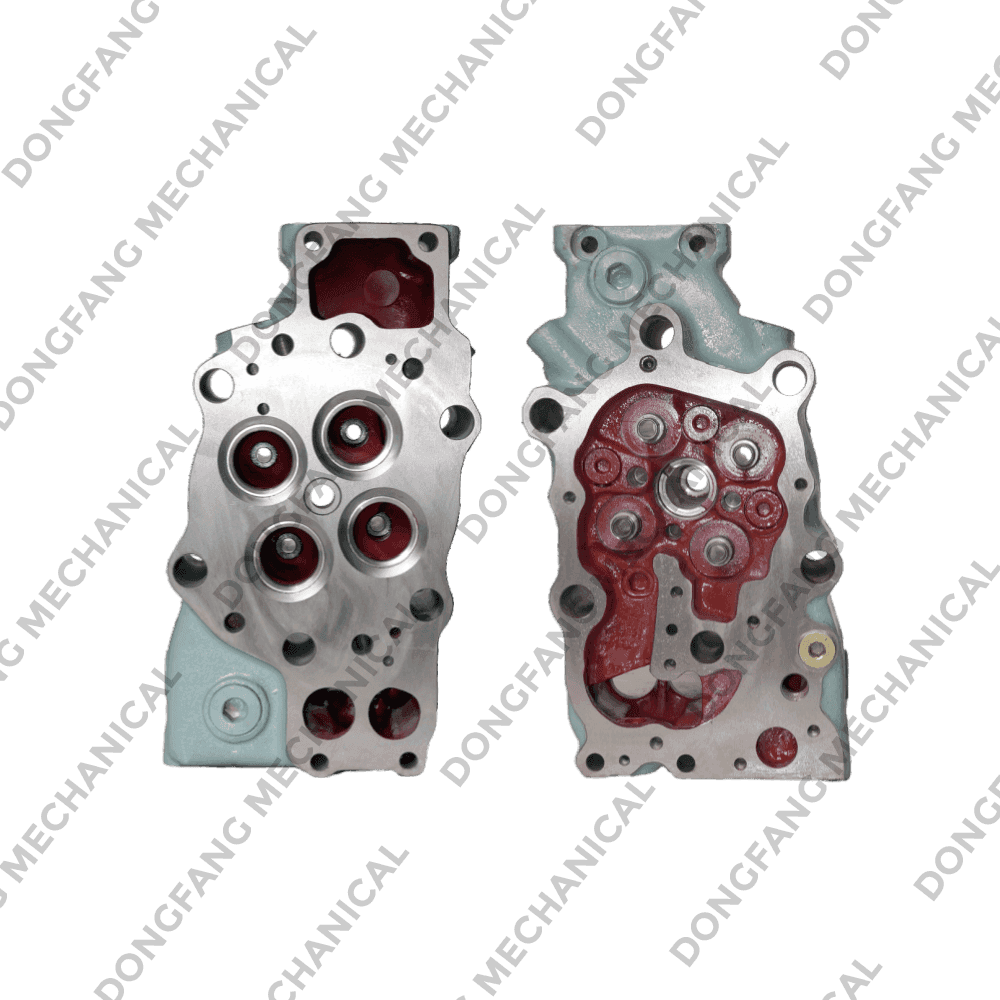 DONGFANG Replacement Cylinder Heads for Yanmar Marine Diesel EnginesAftermarket cylinder heads for Yanmar marine and industrial diesel engines, offered in alloy gray cast iron or CGI for routine maintenance and failure replacement.View Product →
Ordering Sequence and Lead Time
Most delays come from incomplete information rather than from machining time. Working through the list below in order removes the usual round of follow up questions before a quotation can be issued.
- Record the engine brand, model and serial number from the nameplate, and photograph the plate.
- Photograph the casting number and the deck face of the damaged head.
- Note the number of cylinders and the valve arrangement per cylinder.
- Send the vessel name, port and required date with the enquiry so freight can be quoted with the part.
- Measure deck face flatness and seat condition on arrival, before the head goes to the machine shop.
A replacement head that matches the casting number, the valve layout and the cooling passages will return the engine to its normal working condition at a fraction of the cost of a new engine. The two factors that decide the outcome are the accuracy of the identification before the order and the inspection after delivery. Both are quick, and both are cheaper than a second shipment.
Replacement parts only pay for themselves when they fit the first time. Identify the engine from the nameplate, confirm the casting against the existing head, and inspect the new head before installation. That sequence takes an hour, and it keeps a repair on schedule instead of turning it into a second job.