عربى

Content
- 1 What a Small 4 Cylinder Diesel Engine Usually Means
- 2 Where These Engines Fit Best
- 3 Specifications That Matter More Than Displacement
- 4 Cylinder Head and Replacement Parts on Small Diesels
- 5 How to Match a Replacement Head to the Engine
- 6 Buying Checklist for a Small 4 Cylinder Diesel
- 7 Practical Takeaway
A buyer comparing a 35 kW marine auxiliary engine with a 60 kW genset engine is already working with two different ideas of small. In practice, a small 4 cylinder diesel engine is defined less by displacement alone and more by continuous duty, footprint, cooling system, and parts support. The useful conclusion is simple: choose the engine by the load it must carry hour after hour, then confirm that the cylinder head and other service parts can be matched by engine family and casting details. That order prevents most costly surprises.
What a Small 4 Cylinder Diesel Engine Usually Means
Small is a relative term. In industrial and marine catalogs, a 4 cylinder diesel often falls into a 1.5 L to 4.0 L displacement band, with common ratings from about 20 kW to 100 kW. Naturally aspirated units sit at the lower end. Turbocharged and aftercooled units can reach the upper end, but they also place higher thermal load on the cylinder head, pistons, and cooling system.
The layout is familiar: four cylinders in line, four stroke combustion, direct injection, and water cooling. The compact block makes service access easier in small engine rooms, but the reduced space around the engine can also make belt changes, injector service, and cylinder head removal slower. A buyer should measure the working space around the engine, not just the engine footprint.
| Displacement band | Typical power band | Aspiration | Common duty | Service note |
|---|---|---|---|---|
| 1.5 to 2.2 L | 15 to 40 kW | Naturally aspirated | Small gensets, pumps, auxiliary drives | Simple layout, but cooling passages can clog |
| 2.2 to 3.3 L | 30 to 75 kW | Turbo or naturally aspirated | Fishing boats, workboats, compact industrial | Check head casting and injector type |
| 3.3 to 4.0 L | 50 to 100 kW | Turbo and aftercooled | Larger auxiliaries, continuous duty | Higher thermal load, confirm cooling margin |
For a small 4 cylinder diesel engine, the rating label matters more than the peak number. A marine auxiliary engine may be rated for continuous duty at a stated ambient temperature. A standby genset may allow a higher short term output. Using a standby rating as a continuous rating shortens head gasket life and can lead to valve seat problems. Ask for the continuous rating at the actual operating conditions, including intake air temperature and coolant temperature.
Where These Engines Fit Best
Small 4 cylinder diesels are common in workboats, fishing vessels, small ferries, generator sets, irrigation pumps, compact tractors, and light industrial equipment. In marine use, the engine may drive the propeller directly or run as an auxiliary for electrical power. These two duties place different demands on the cylinder head. Propulsion duty brings repeated load changes and low speed torque demand. Auxiliary duty brings steady load and long hours at a fixed speed.
Cooling design is the first checkpoint. Raw water cooled engines need correct anodes, impeller condition, and heat exchanger maintenance. Fresh water cooled engines still depend on the right coolant mix and a working pressure cap. Overheating is one of the most common paths to a cracked cylinder head, so a replacement head should never be fitted without finding the original cause. A new casting will not survive the same blocked passage or failed thermostat.
For small marine engine families, replacement cylinder heads are often organized by engine family rather than by vessel type. That helps a mechanic match the casting, valve arrangement, and injector position before ordering. If the vessel is used for coastal fishing or short harbor runs, the annual hours may still be high enough to justify keeping a spare head or at least a known source for one.
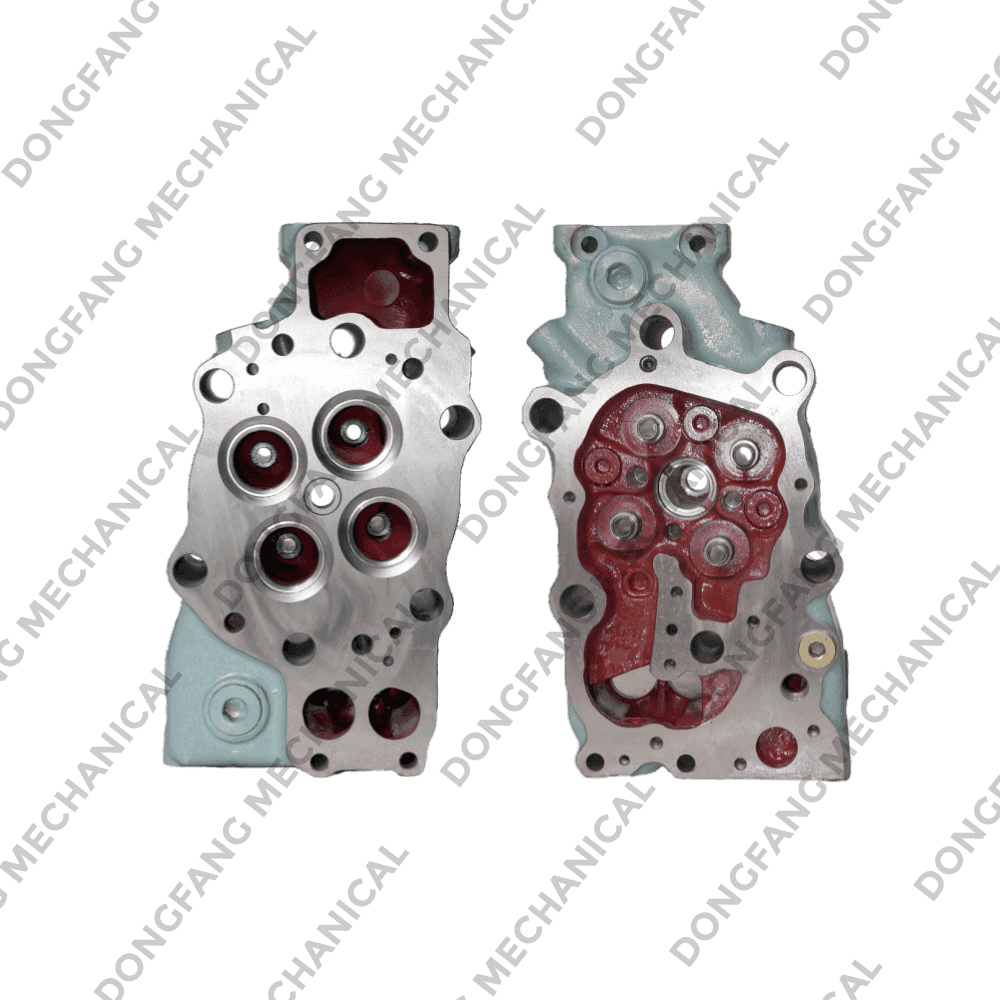 DONGFANG Replacement Cylinder Heads for Yanmar Marine DieselsBrowse aftermarket cylinder heads for listed Yanmar-compatible marine and industrial engines, with gray iron or CGI options for maintenance and heavy-duty replacement.View Product →
Specifications That Matter More Than Displacement
Two engines with the same 2.5 L displacement can behave very differently. The key figures are continuous power at a stated speed, torque at low idle, compression ratio, injection pressure, cooling circuit capacity, and service access. For a replacement part, the casting number and valve train layout matter as much as the engine model name.
- Continuous rating: confirm kW or hp at the actual ambient temperature and altitude.
- Cooling margin: check heat exchanger size, raw water pump capacity, and coolant flow.
- Combustion system: direct injection, indirect injection, and common rail heads are not interchangeable.
- Mounting and coupling: SAE housing size, flywheel, and damper details affect installation.
- Parts identity: record the engine serial number, cylinder head casting number, and injector type.
Purchase risk rises when a buyer compares only price per kW. A low cost engine with poor parts support can cost more over ten years than a higher priced unit with clear casting identification and ready cylinder head availability. For a small 4 cylinder diesel engine, the service network is part of the product.
Cylinder Head and Replacement Parts on Small Diesels
The cylinder head seals combustion pressure, holds the valves, and carries coolant and oil passages. On small 4 cylinder engines, head problems often show up as white exhaust smoke, coolant loss, bubbles in the coolant, hard starting, or oil in the coolant. A pressure test and a close inspection of the fire deck can separate a gasket failure from a cracked casting.
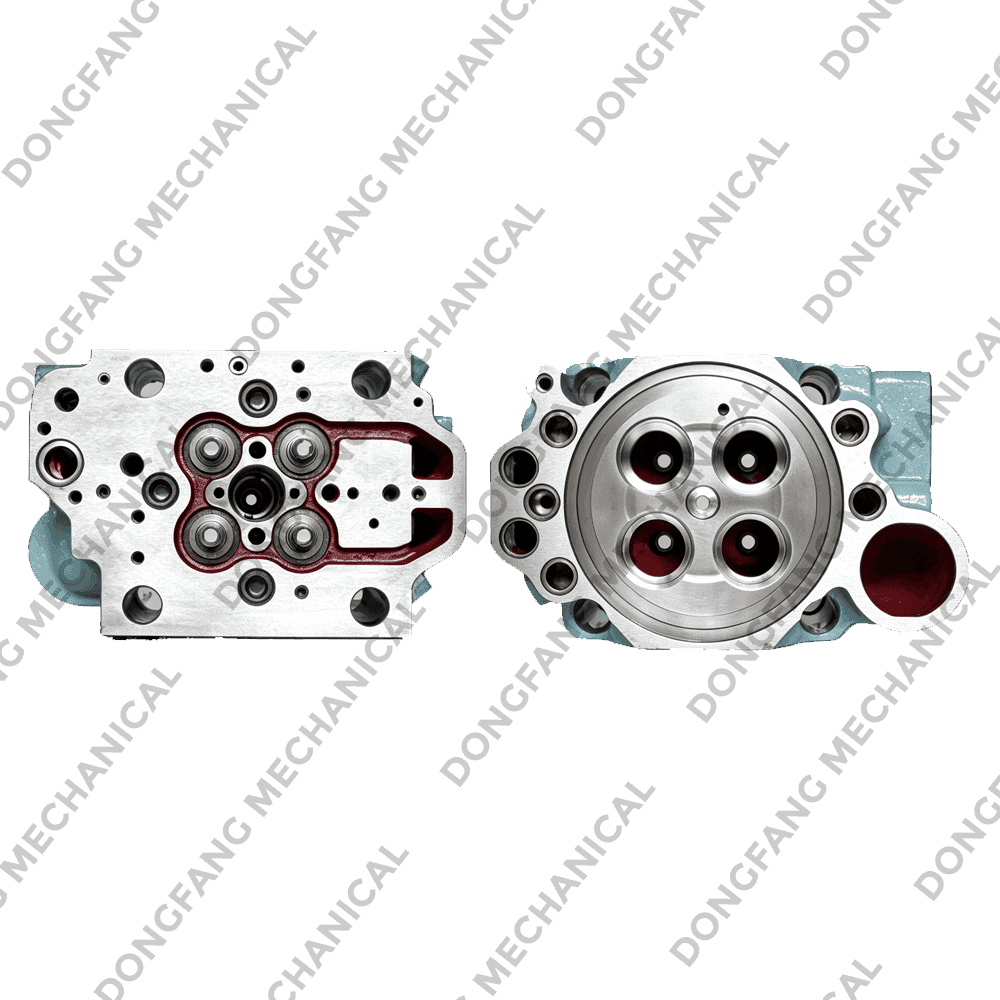
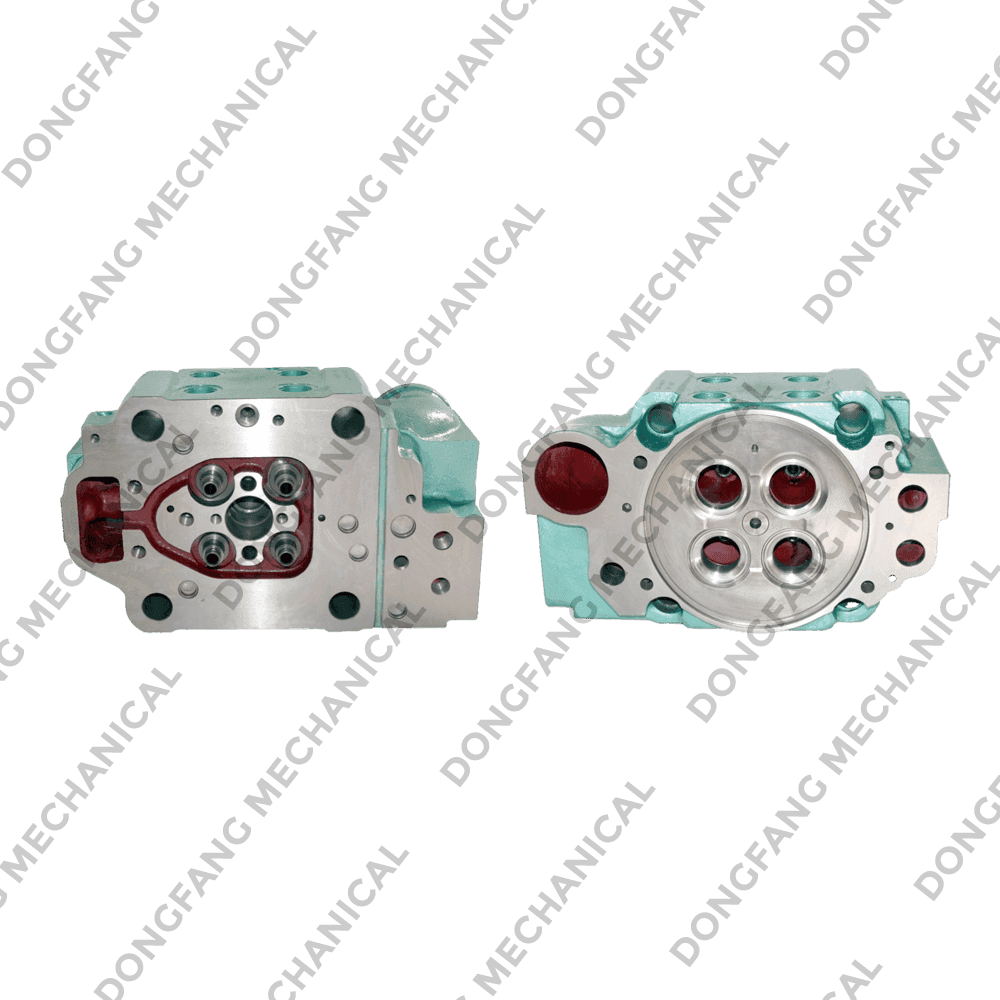
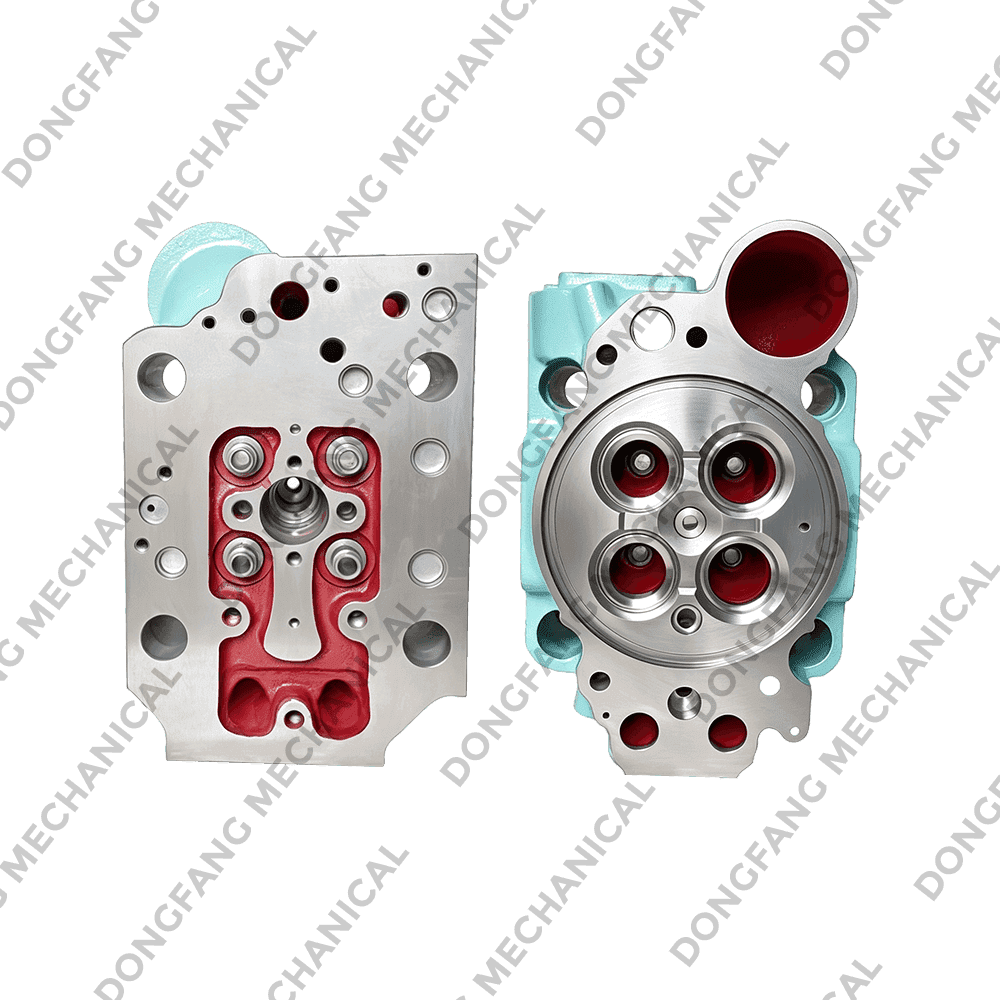
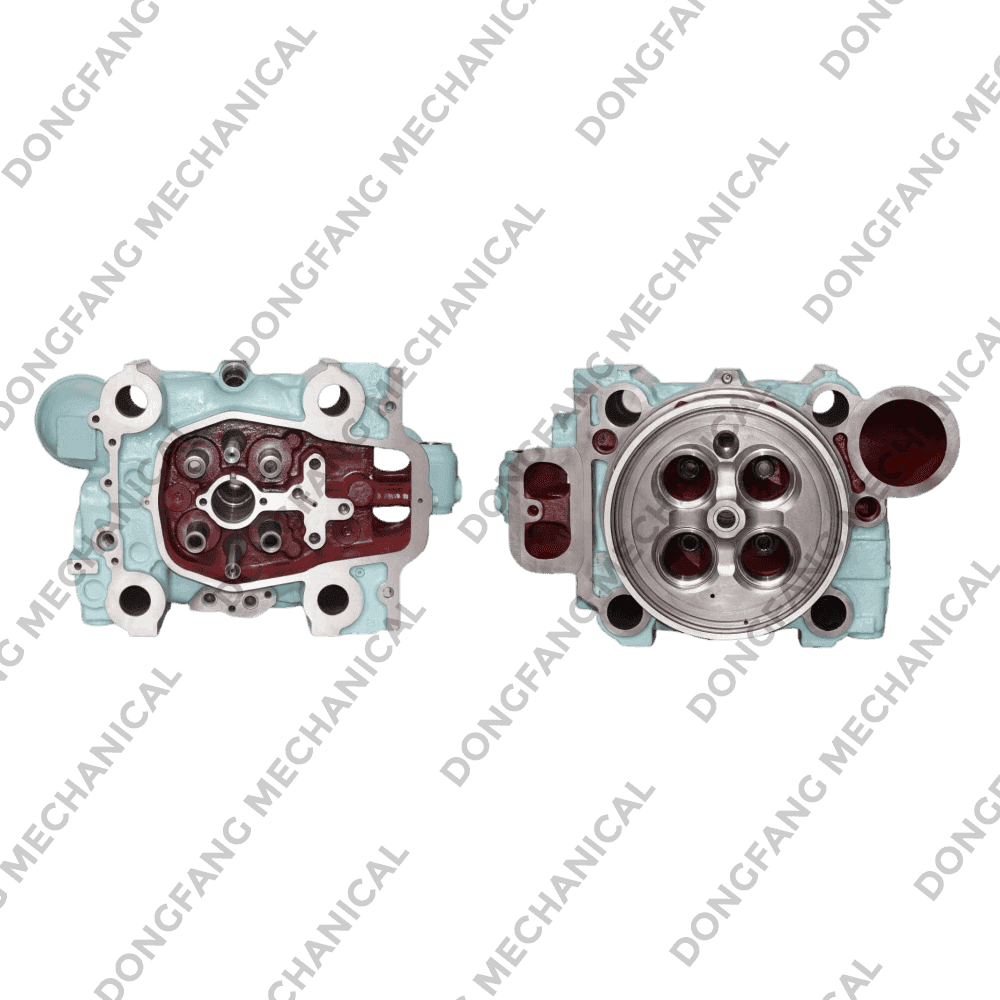
Replacement heads need a careful match. The valve cover pattern, injector bore, glow plug position if used, intake and exhaust port orientation, and head bolt length can all differ within one engine family. The head gasket must match the head and block deck. Torque sequence and bolt stretch matter. Reusing old head bolts on a torque to yield design can cause a repeat failure. If you want a plain language overview of the part, this guide on what a cylinder head does is a useful starting point.
For common marine engine families, Dongfang lists replacement cylinder heads by engine family, which makes casting comparison easier before an order is placed. The same discipline applies to valve train parts, injector sleeves, and gaskets. A part that fits the block but not the injector or rocker cover will create extra downtime.
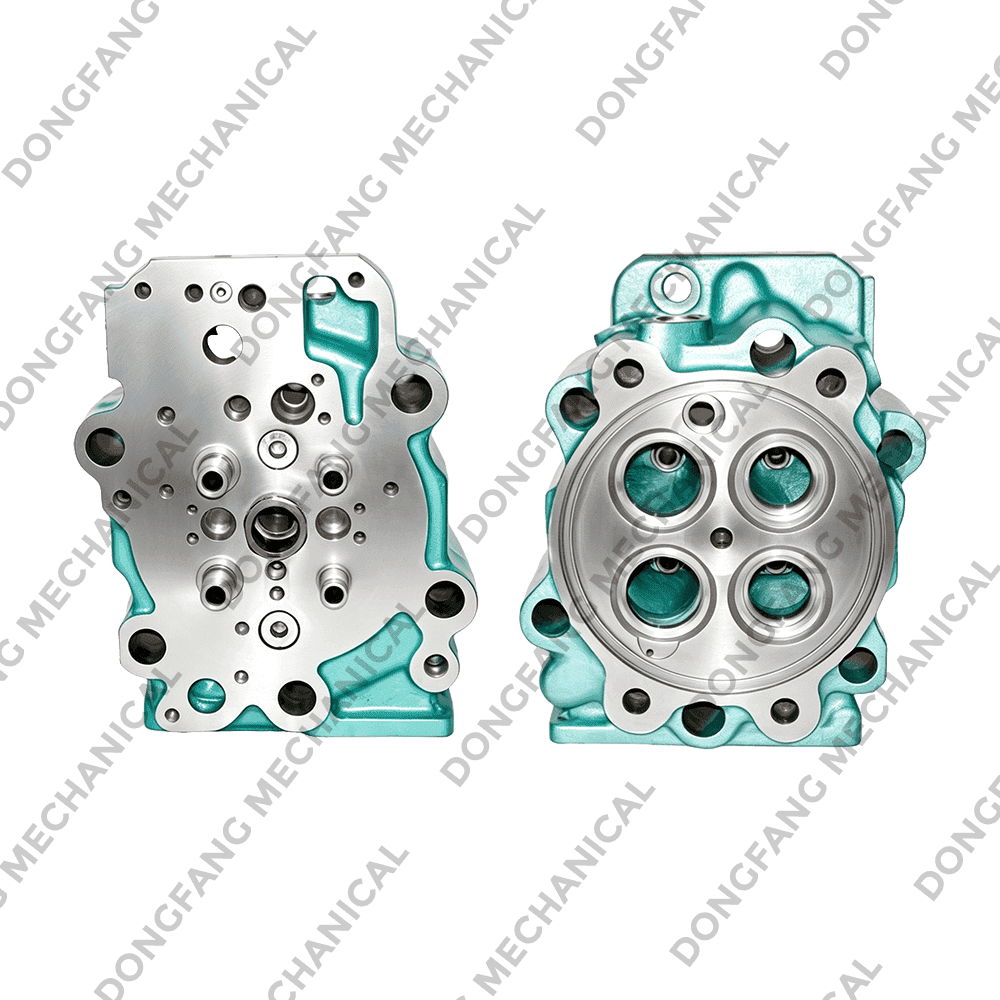 DONGFANG Replacement Cylinder Heads for Daihatsu Marine EnginesView third-party cylinder heads for listed Daihatsu marine and industrial models, offered in gray cast iron or CGI for auxiliary and heavy-duty service.View Product →
Before fitting, check the deck flatness, valve recession, and injector sleeve seal. Clean the bolt holes and confirm that the new gasket matches the coolant passage layout. After assembly, run the engine at low load, recheck coolant level and torque if the maker requires it, then bring it to working load gradually.
How to Match a Replacement Head to the Engine
Start with the engine plate and the old casting number. Photograph the head from four sides before cleaning. Note the injector type, valve cover bolt pattern, manifold bolt spacing, and any sensor bosses. A supplier can then compare the list against the cylinder head replacement parts catalog and reduce the chance of a wrong fit.
- Record the engine model, serial number, and continuous rating.
- Match the cylinder head casting number and valve train layout.
- Confirm injector bore size, depth, and clamp style.
- Check coolant port shape and head gasket passage alignment.
- Confirm valve cover, rocker shaft, and pushrod or overhead cam parts.
- Ask for the assembly torque sequence and bolt specification.
For domestic diesel engines, the model plate may be less detailed than on imported marine units. In that case, measurements and photos matter more. A supplier that handles both imported and domestic diesel engine parts can often identify a casting by the valve cover, port shape, and injector position when the plate is missing.
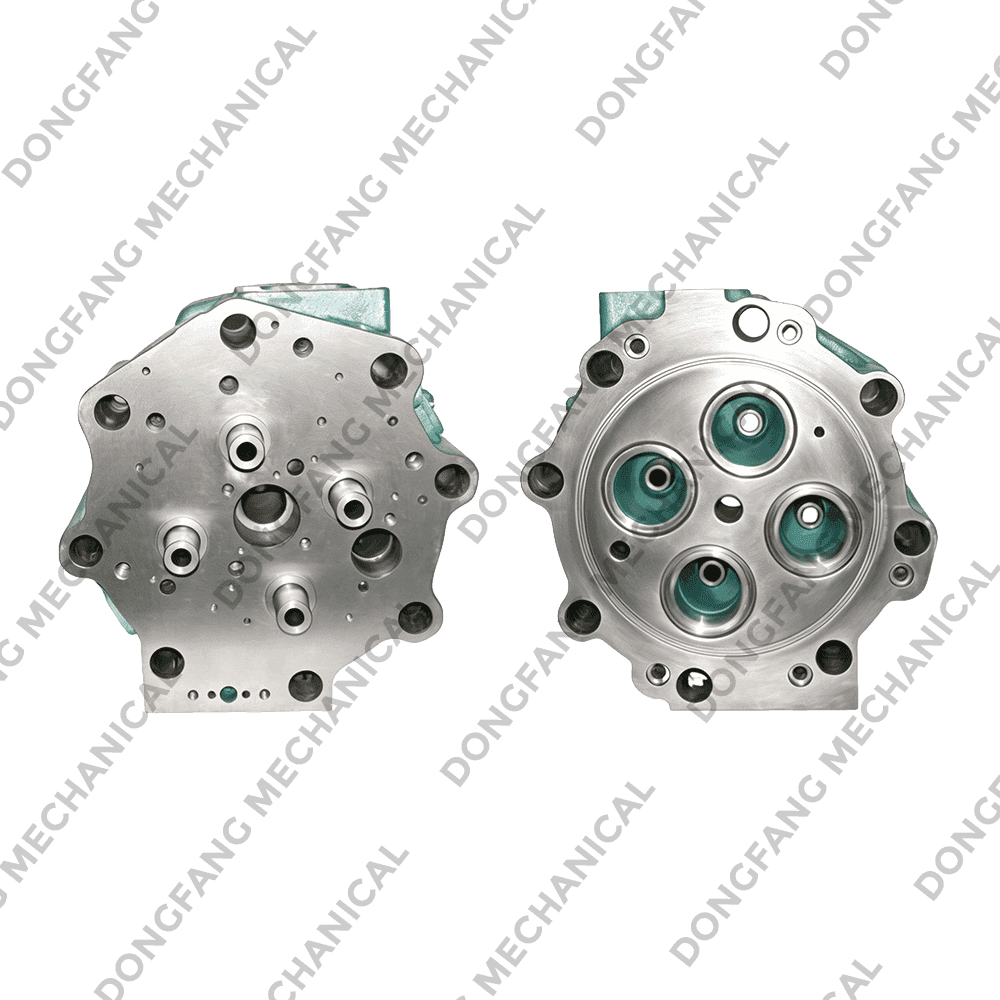 DONGFANG Replacement Cylinder Heads for Domestic Diesel EnginesCompare third-party cylinder heads for listed domestic marine, generator, and industrial diesel models, with standard gray iron and CGI material choices.View Product →
Buying Checklist for a Small 4 Cylinder Diesel
Use the same discipline for a complete engine and for a replacement cylinder head. The goal is not the lowest headline price. The goal is a unit that will deliver the required load for the planned hours with parts that can be identified and replaced without guesswork.
- Duty: continuous, intermittent, or standby. State the hours per year and load profile.
- Environment: ambient temperature, humidity, salt exposure, and ventilation.
- Cooling: raw water, fresh water, radiator, or keel cooling. Confirm the heat rejection margin.
- Service: access for injectors, valve adjustment, and head removal.
- Documentation: parts list, torque values, valve clearance, and injection timing.
- Support: casting identification, lead time, and warranty terms for replacement parts.
A small engine room leaves little room for improvisation. Check that the replacement head can be lifted and rotated into position. Confirm that the studs, nuts, and washers are correct. On marine units, inspect the exhaust elbow and aftercooler while the head is off, because a restricted exhaust can mimic a head gasket failure and cause a repeat overheating event.
Practical Takeaway
Small 4 cylinder diesel engines cover a wide range of real duties, from a 25 kW genset to a 90 kW workboat auxiliary. The right choice starts with continuous load, cooling margin, and parts identification. The cylinder head is a good test of that chain. If the casting number, injector type, and gasket layout can be confirmed, the engine is easier to keep in service. If those details are vague, the lowest price is not a saving. It is a delay waiting to happen.