عربى

Content
When the Norwegian ferry MF Hydra began running on liquid hydrogen, fuel cell modules took over a job that diesel generator sets had done for decades: producing electricity on board. The vessel now emits water vapour instead of carbon dioxide, and much of the engine room noise disappears with it. That is a genuine change, and it is spreading, but it is also narrower than the headlines suggest.
The practical conclusion first: marine hydrogen fuel cells are now a real option for ferries, harbour craft and inland vessels on fixed routes, and they are still not a drop-in replacement for the main engine of an ocean-going ship. For most operators the coming years will be mixed, with a fuel cell or battery bank added for coastal and port operation while a diesel or dual-fuel engine still does the heavy lifting. Those engines continue to wear out cylinder heads, and that maintenance planning does not pause while the industry decarbonises.
What follows is how the technology works, where it fits, what the real constraints are, and what it means for the diesel engines you will keep running.
What a marine hydrogen fuel cell actually does
A fuel cell is neither a battery nor an engine. It converts chemical energy directly into electricity with no combustion step. Hydrogen is fed to the anode, air to the cathode, and a polymer electrolyte membrane lets protons pass while forcing electrons through an external circuit. The output is direct current, plus water and heat as the only by-products.
In marine use, the polymer electrolyte membrane type, usually shortened to PEM, dominates. It operates at roughly 60 to 80 C, starts quickly, follows load changes well, and tolerates the vibration and pitching of a working vessel. Stack lifetimes of more than 20,000 operating hours before refurbishment are now quoted by suppliers, which for a ferry running eight hours a day is several years of service.
Because nothing is burned, there is no sulphur oxide, no nitrogen oxide, no carbon monoxide and no particulate matter at the stack. Electrical efficiency typically lands between 45 and 60 percent, better than a small diesel generator and comparable to a large slow-speed engine. Fuel cells also have very few moving parts, so scheduled maintenance is mostly stack and membrane replacement rather than injector, turbocharger and cylinder head work.
Where fuel cells fit on a vessel today
The vessels that work are the ones with a predictable route and a place to bunker. Short-sea ferries, inland barges, tugs, pilot boats and port service craft all fit the pattern. They return to the same berth, they can be refuelled on a schedule, and their power demand is measured in hundreds of kilowatts rather than tens of megawatts.
Three configurations appear again and again:
- Full hydrogen electric propulsion, where fuel cells carry the whole load and batteries cover peaks. The ferry MF Hydra is the best known liquid hydrogen example.
- Hybrid arrangements, where a fuel cell handles hotel load and low-speed manoeuvring while the diesel engine takes over at sea.
- Shore-side and port duty, where fuel cells replace diesel generator sets for cold ironing and terminal equipment.
Ocean crossing is a different problem. Liquid hydrogen holds roughly a quarter of the energy per litre that marine diesel does, so a transatlantic voyage would need tanks several times larger than the fuel oil tanks they replace. That is why deep-sea decarbonisation currently leans on methanol, ammonia and LNG rather than pure hydrogen.
Fuel cell types compared
Not every fuel cell suits every vessel. The table below summarises the four families that appear in marine feasibility studies, alongside the diesel baseline they are usually measured against.
| Technology | Operating temperature | Electrical efficiency | Marine status | Best suited to |
|---|---|---|---|---|
| Low temperature PEM | 60 to 80 C | 45 to 60 percent | In service, class approved | Ferries, barges, harbour craft |
| High temperature PEM | 120 to 200 C | 40 to 50 percent | Pilot and demonstration | Simpler cooling, waste heat recovery |
| Solid oxide (SOFC) | 600 to 1000 C | 50 to 60 percent | Demonstration, mainly auxiliary | Steady base load and deep sea auxiliary |
| Molten carbonate (MCFC) | 600 to 700 C | 45 to 55 percent | Limited marine use | Shore power, large steady loads |
| Diesel generator | Combustion | 35 to 45 percent | Universal and mature | All duties on all routes |
Storage, safety and rules decide the project
Storage is usually the item that breaks a business case. Compressed gas at 350 or 700 bar is the cheapest option but the tanks are heavy and bulky. Liquid hydrogen at minus 253 C packs more energy into the same space but needs insulation, boil-off management and a liquefaction supply chain that most ports still do not have.
Safety engineering is well understood, but it has to be designed in from the first drawing: gas detection in the fuel preparation room, defined ventilation rates, double-walled piping, inerting procedures, and physical separation of hydrogen spaces from accommodation. Two rule sets matter for procurement:
- The IMO interim guidelines for ships using fuel cell power installations, which cover the installation as a whole.
- Class society rules for hydrogen-fuelled vessels, which add requirements for bunkering, tank location and risk assessment.
Ask any supplier for the class approval certificate, the stack replacement interval, and the guaranteed power at the end of stack life rather than at commissioning. A stack rated at 200 kW when new can deliver noticeably less after 15,000 hours, and that difference changes the battery size and the voyage plan.
The diesel engine does not leave the vessel
Fleet turnover is slow. Even with aggressive newbuilding, most vessels in service a decade from now will have been delivered long before a hydrogen bunkering network exists in their trade. Dual-fuel engines burning methanol, ammonia or LNG are built on the same architecture as their diesel versions: same block, same liner, same cylinder head, with injection and control systems changed.
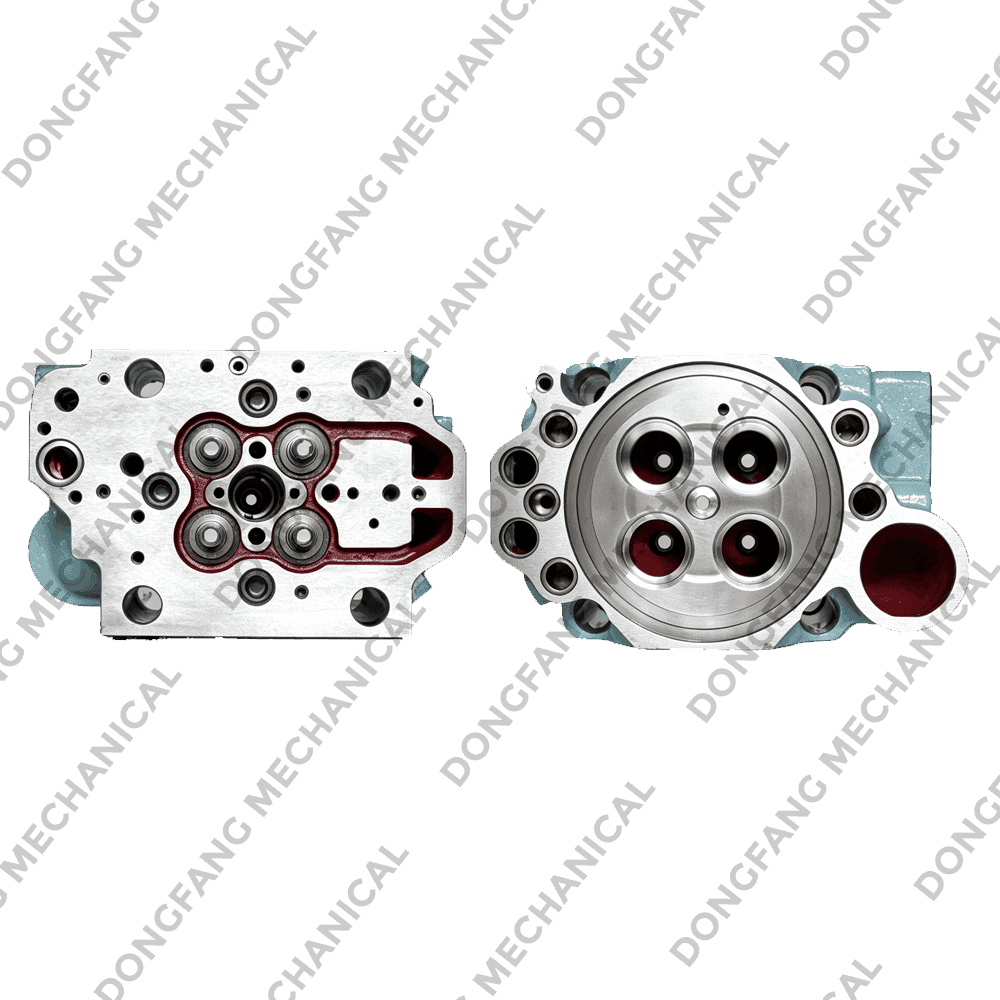
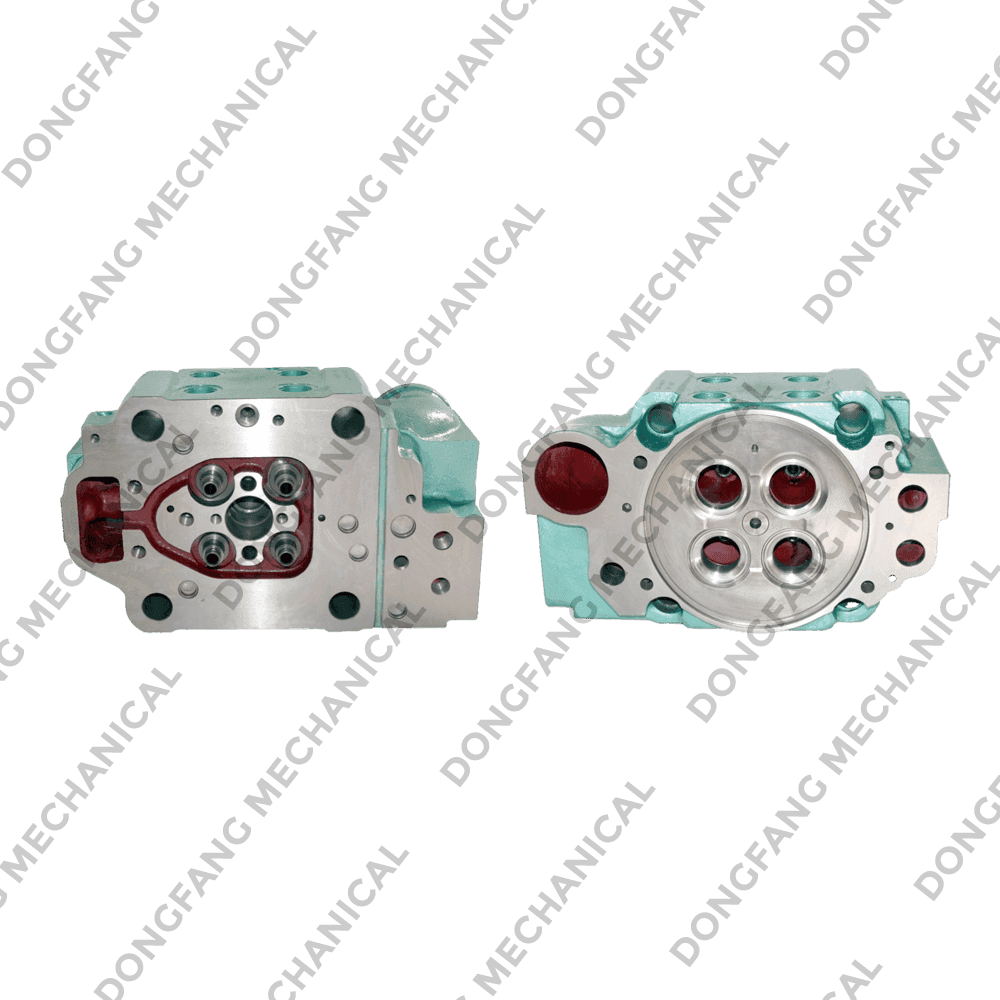
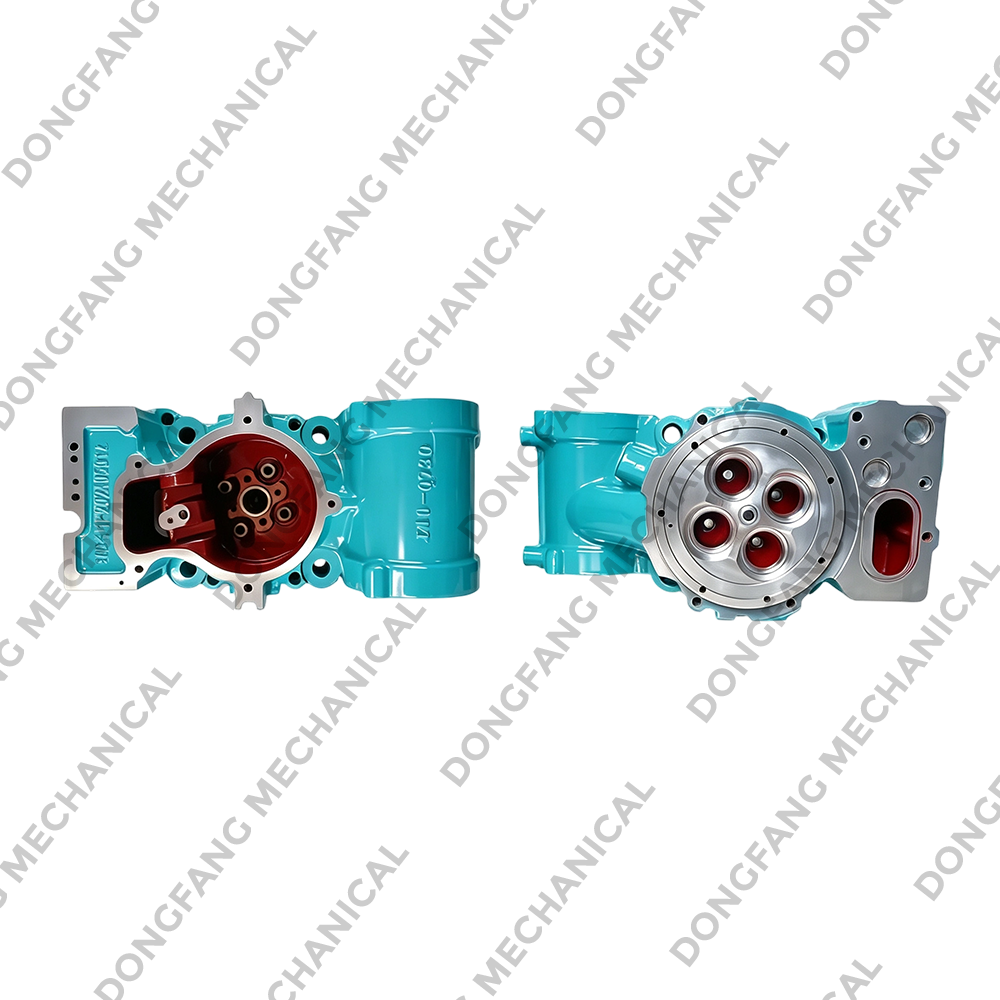 DONGFANG Replacement Cylinder Heads for MAN Marine Diesel EnginesThird-party MAN-compatible cylinder heads for large-bore marine and industrial engines, supporting planned overhauls without grinding or modification.View Product →
So when a fuel cell, battery bank or shore connection is added to an existing ship, the main engine is not retired. It keeps running at sea, it keeps accumulating running hours, and its cylinder heads keep reaching the end of their service life. Large bore engines from the major licensees are the most visible case, because a top overhaul on one of them can take a vessel out of service for days.
Cylinder head decisions during the transition
A cylinder head is a pressure vessel, a gas seal and a heat exchanger at the same time, which is why it is usually replaced rather than repaired once it passes a threshold. In practice, four conditions push a head towards replacement:
- Cracks between the valve seats, or running from a seat into the water jacket, found by dye penetrant or magnetic particle inspection.
- Valve seat recession beyond the maker's limit, so valve clearance can no longer be set within tolerance.
- Corrosion or erosion of the flame deck and water jacket that reduces wall thickness.
- Worn or loose valve guides and seats that cannot be restored by machining within the permitted cut depth.
Knowing what a cylinder head does under load makes the trade-off clearer. Reconditioning is cheaper but consumes cut depth and shortens the next interval, while a replacement head restores full material thickness and resets the clock.
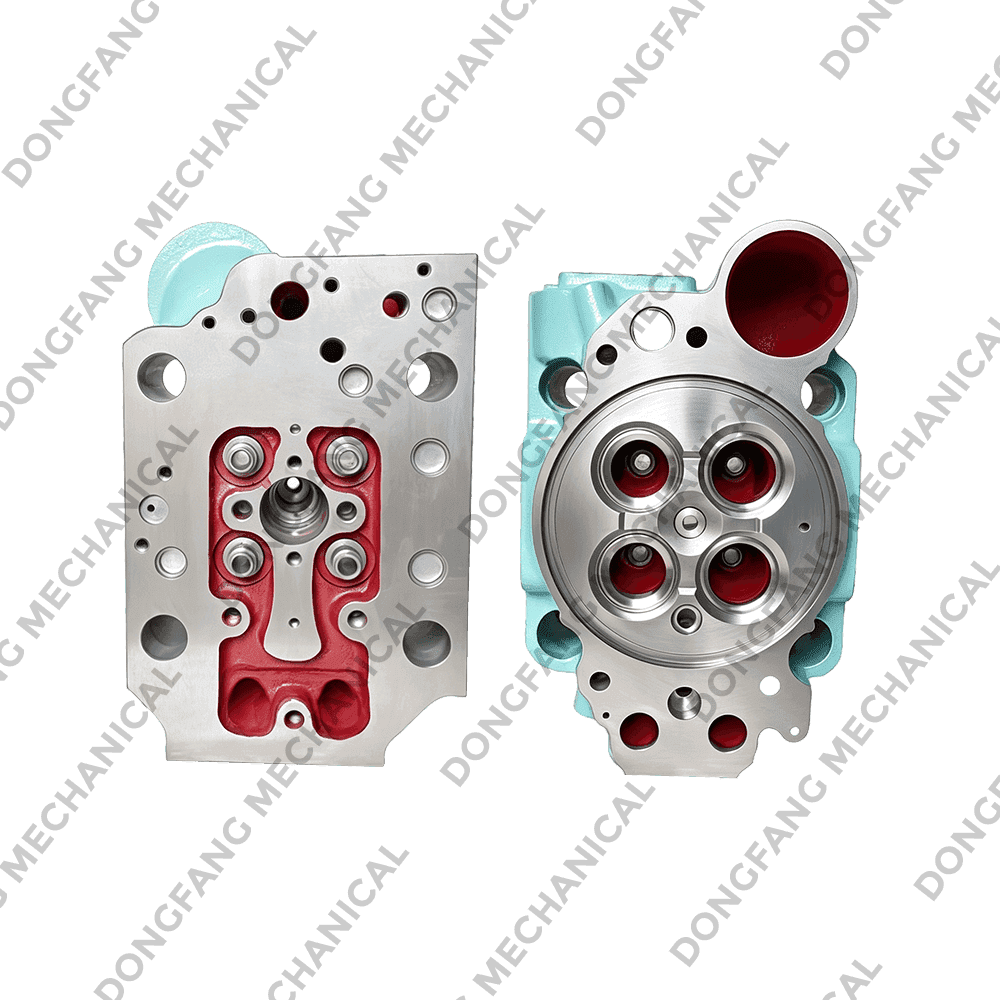
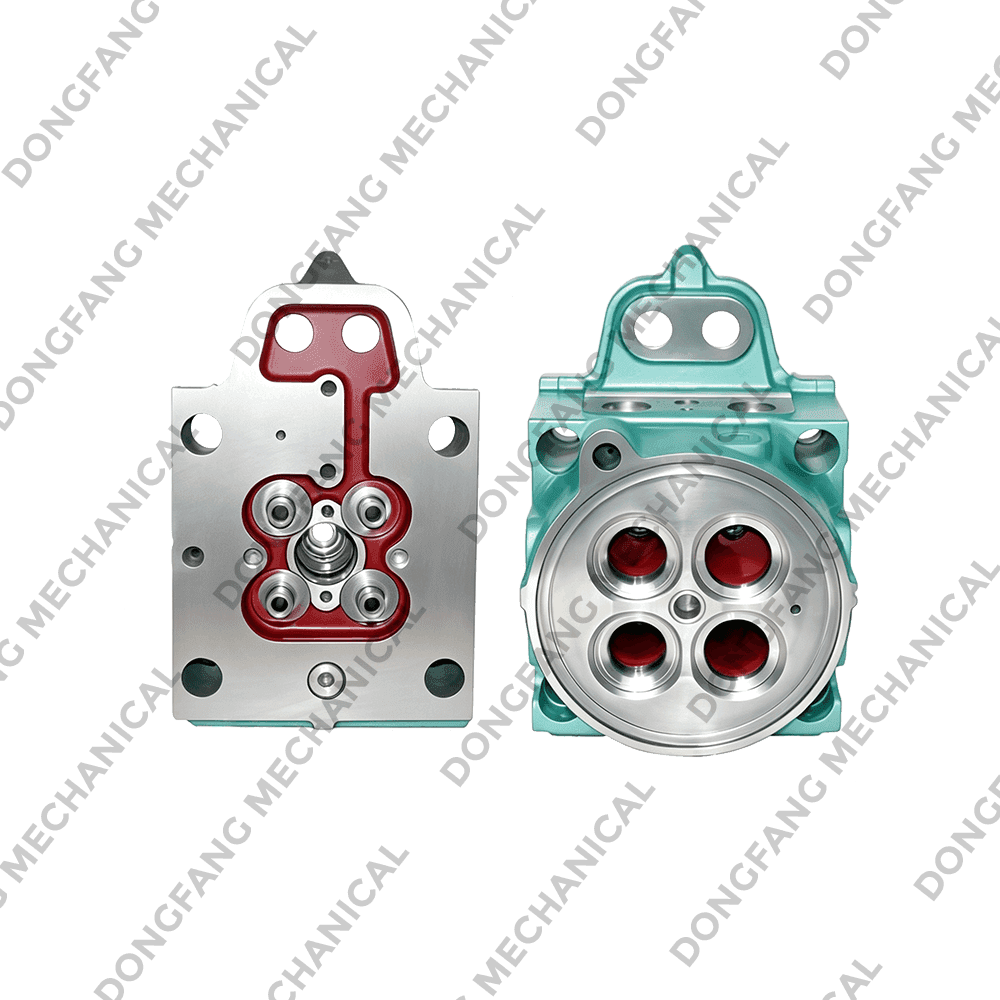 DONGFANG Aftermarket Cylinder Heads for Wartsila Marine EnginesThird-party Wartsila-compatible replacement heads for marine and industrial gensets, matched by model, part number, or sample for direct installation.View Product →
Auxiliary and smaller propulsion engines count too
The same logic applies to the medium and high speed engines used for auxiliary power, harbour work and smaller ferries. Their heads are smaller, but failures show up more often because of faster thermal cycling, and an unplanned stop costs the same whether the engine is 500 kW or 15,000 kW.
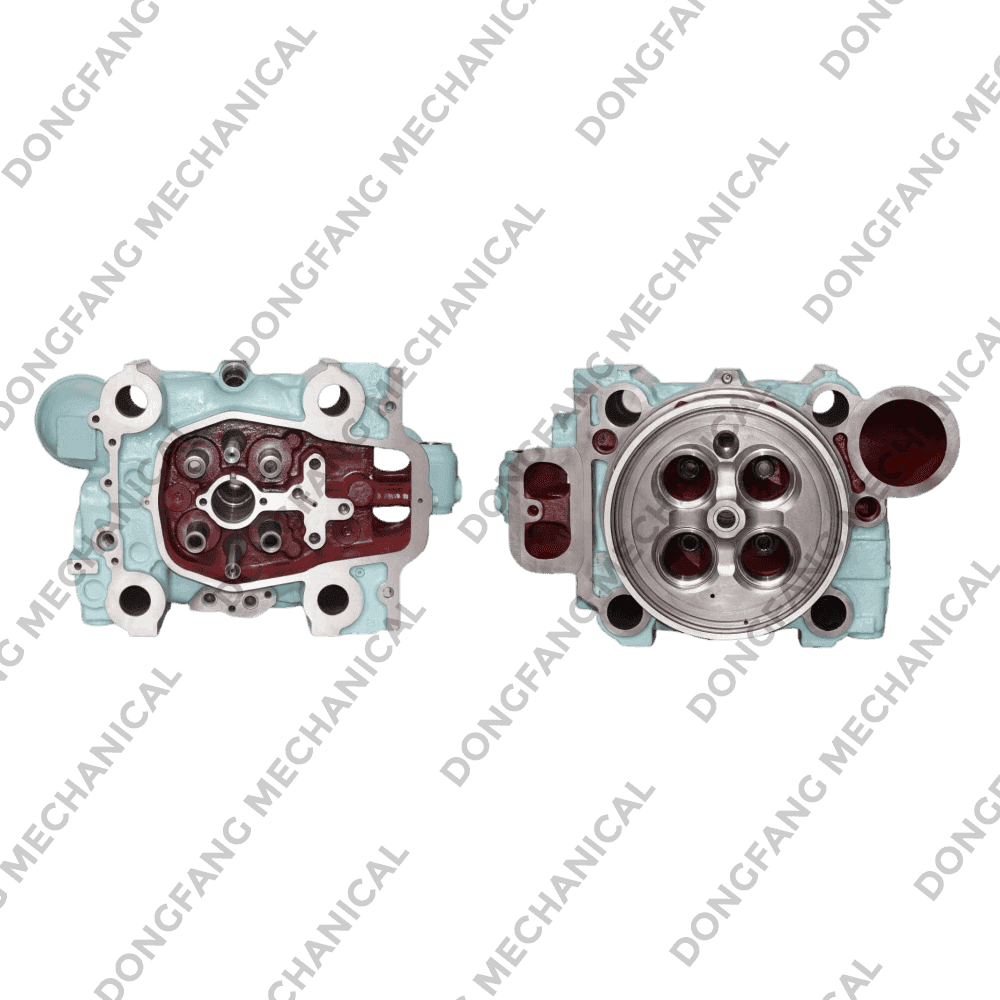
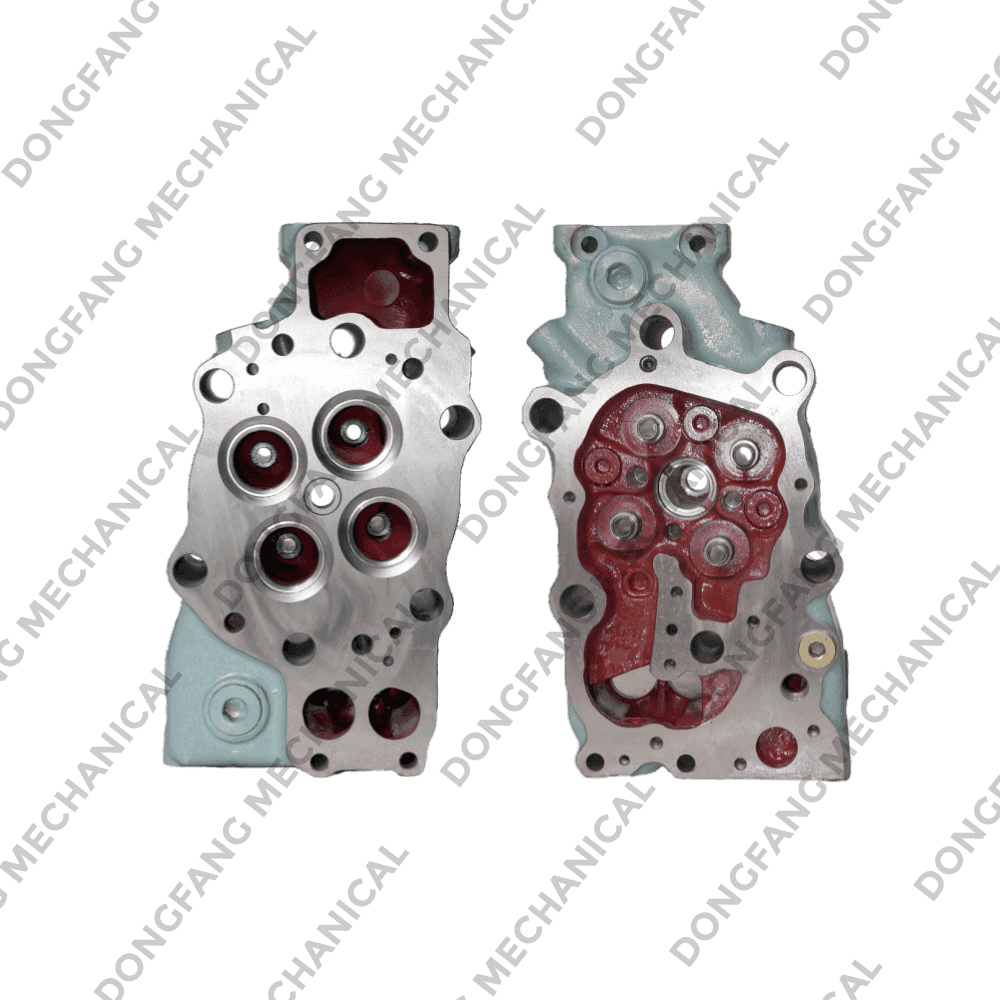 DONGFANG Replacement Cylinder Heads for Yanmar Marine Diesel EnginesAftermarket Yanmar-compatible cylinder heads for workboats, fishing vessels and gensets, available in gray iron or CGI for planned maintenance.View Product →
What to plan for
Two decisions run in parallel. On the new side, a hydrogen fuel cell project should be judged on route profile, bunkering availability, class approval and guaranteed end-of-life power, not on headline efficiency at commissioning. On the existing side, diesel and dual-fuel engines need a parts strategy that keeps overhaul intervals predictable, including heads held in stock or sourced against a documented drawing instead of being ordered in an emergency.
Ask for material certificates, a pressure test report and dimensional records with every replacement head, and confirm compatibility by engine type and build number rather than by brand name alone. That approach holds whether or not a fuel cell eventually appears in the engine room. Operators who want to compare heads by engine make can start from the cylinder head replacement catalog.