عربى
عربى 
Content
- 1 Why Shaft Speed Matters More Than Torque in a Jet Boat
- 2 Matching a Diesel to a Jet Unit in Five Steps
- 3 Which Diesel Family Suits Which Jet Duty
- 4 Where the Cylinder Head Pays the Bill
- 5 Diesel and Gasoline Jet Boats Side by Side
- 6 Sourcing Replacement Cylinder Heads Without Guesswork
- 7 Installation and In-Service Checks That Prevent Repeat Failures
A 1,800 rpm marine diesel bolted straight to a jet unit will not plane a six metre hull, and no amount of propeller thinking changes that. A waterjet does not buy torque, it buys shaft speed. The impeller has to spin fast enough to throw a large mass of water rearward, and an engine that makes its best torque at 900 rpm cannot do that on its own.
The short answer for anyone planning a diesel jet boat: the build works when the reduction ratio puts impeller speed somewhere in the 2,500 to 4,000 rpm band, the engine can hold 80 to 100 percent load for hours, and the cylinder head assembly is built and checked for exactly that duty. Get the first two right and the boat performs. Get the third wrong and the owner pays for it every season in gaskets, sunken valve seats and cracks between the seats.
What follows is the reasoning behind that answer, the numbers worth writing down before ordering a gearbox, and the checks that decide whether the diesel in a jet hull lasts 2,000 hours or 8,000.
Why Shaft Speed Matters More Than Torque in a Jet Boat
A jet unit makes thrust by accelerating water, and how much energy it can put into that water depends on impeller tip speed and flow rate. Below its design speed a mixed flow impeller does not really pump, it stirs. Thrust falls away faster than shaft speed does, which is why a badly geared diesel jet boat feels strong at the dock and gutless on the water.
Marine diesels divide into speed classes that matter here. High speed marine diesels, the group that includes the Yanmar, Daihatsu, Akasaka, Kobe and Makita families we build replacement cylinder heads for, are rated between roughly 2,500 and 4,200 rpm. Medium speed engines such as the MAN, Wartsila, Niigata and Hanshin families run from about 750 to 1,500 rpm and are designed to sit there continuously. Domestic Chinese diesel engines usually fall between 1,500 and 2,200 rpm. Only the first group can drive a jet unit anywhere near directly.
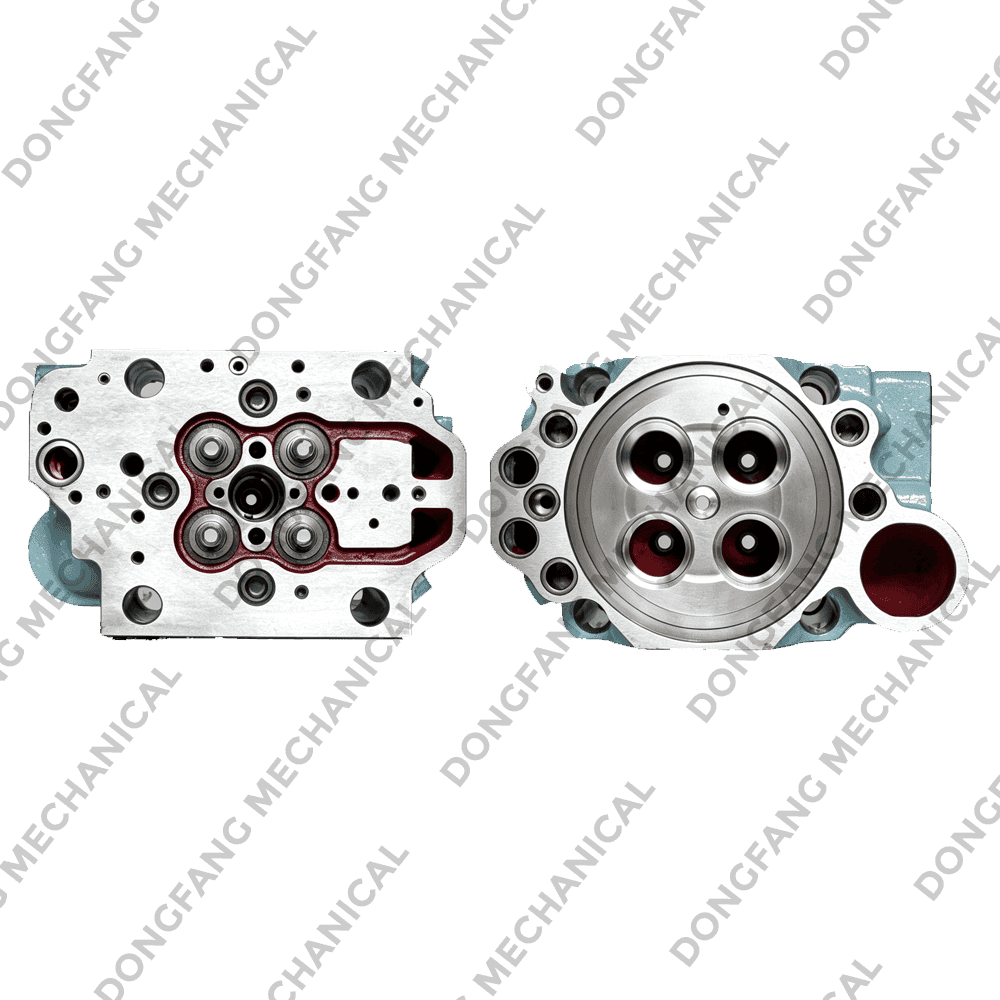
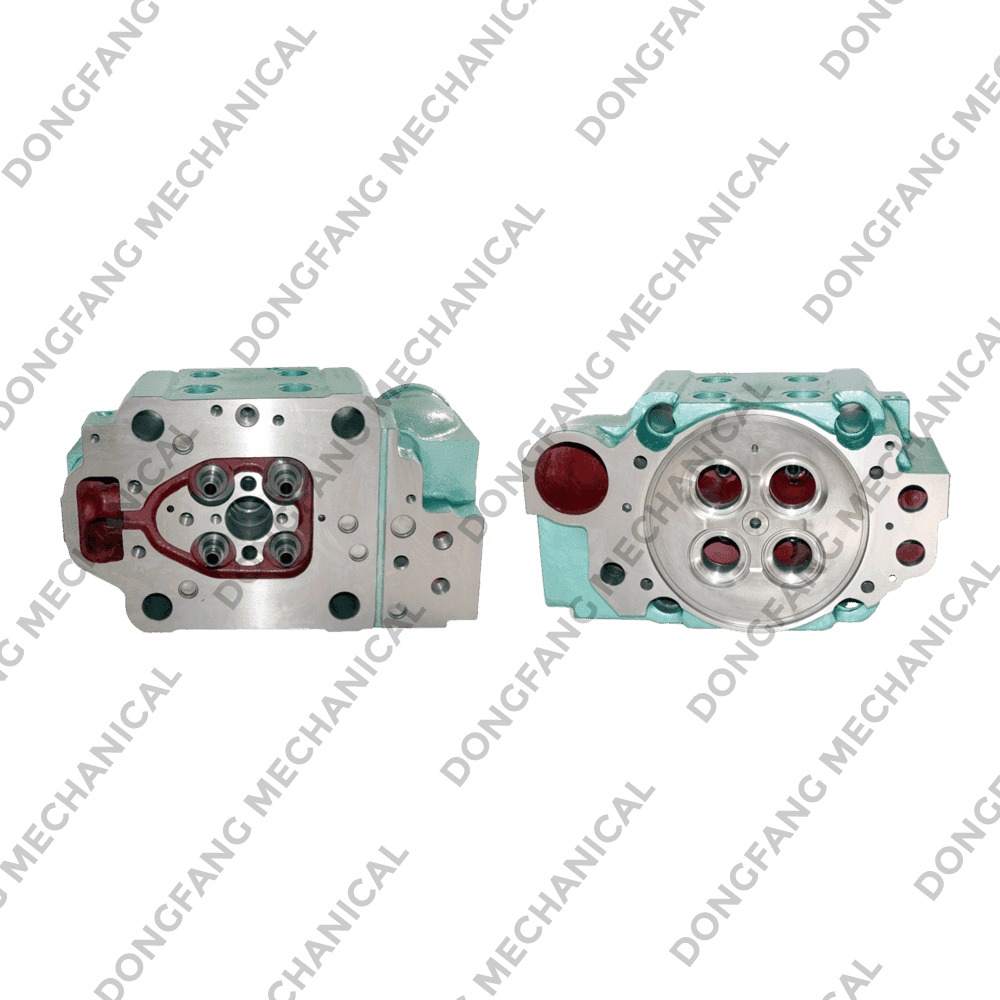
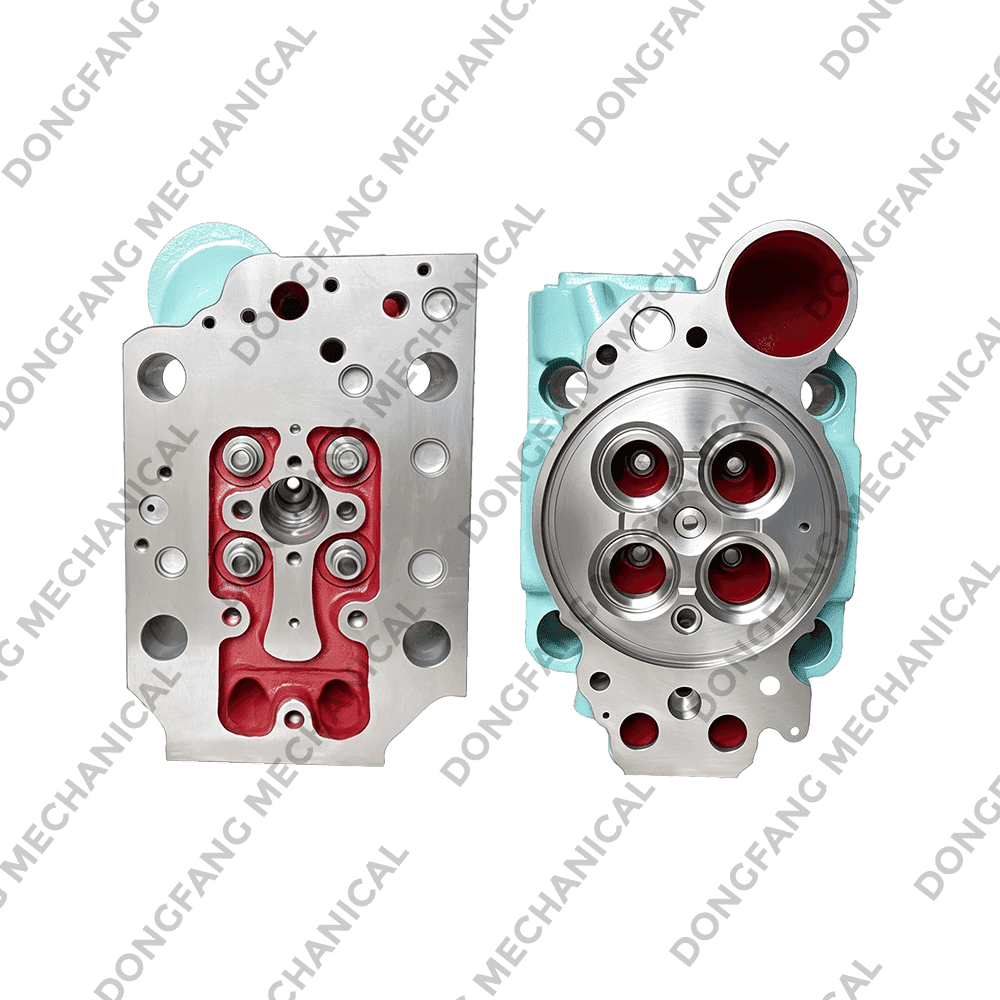
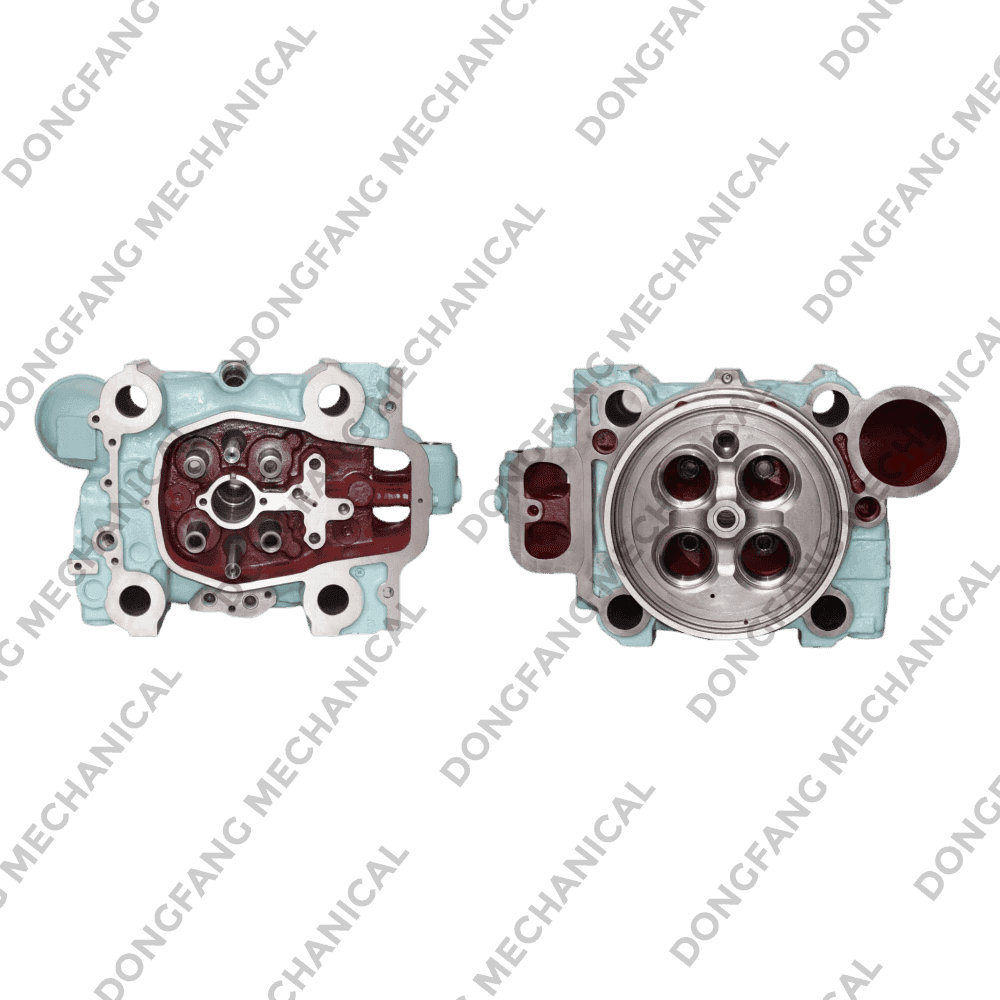
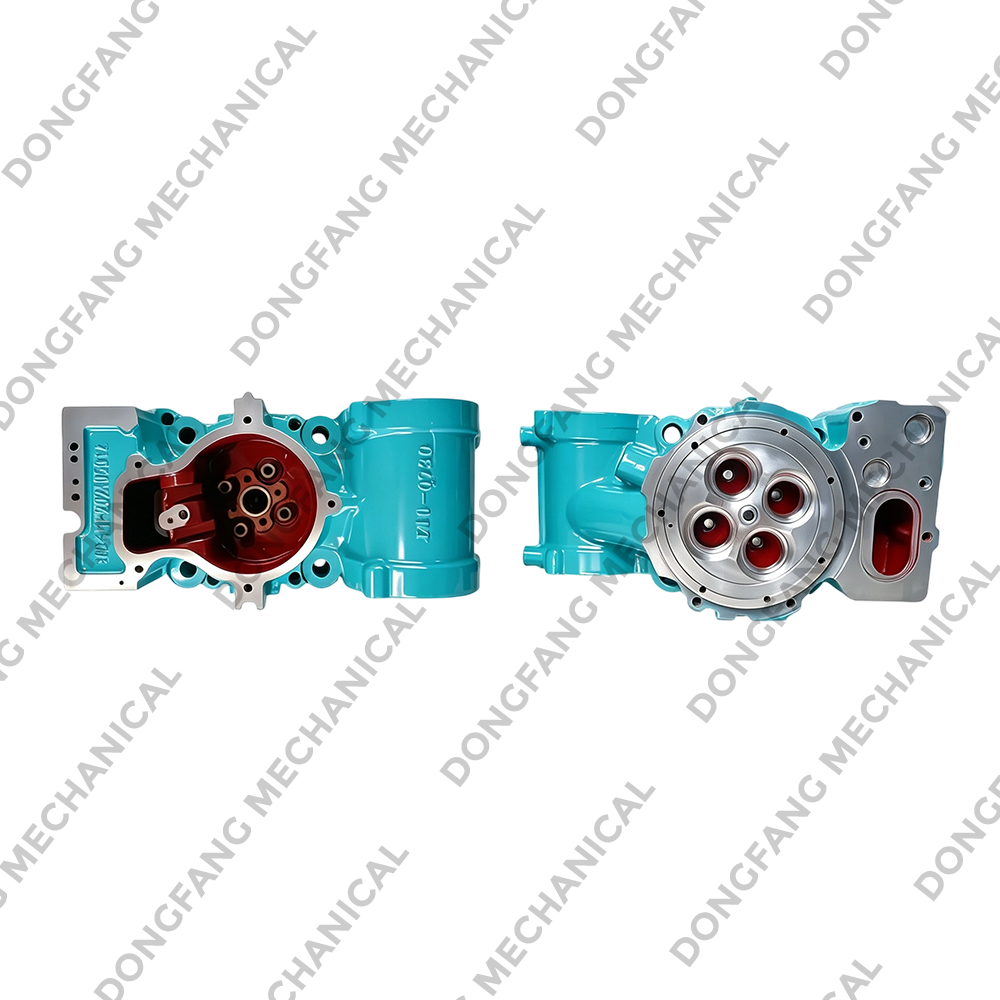 DONGFANG Cylinder Head | Replacement Spare Parts Compatible with MAN Marine Diesel EnginesCompatible Models: L16/24, L23/30, L23/30H, L28/32A, S26MC, L31, L35MC, S35MC, L50MC-C I. Product Overview DONGFANG cylinder heads are third-party compatible replaceme...View Product →
The chart compares three diesel classes with the shaft speed a typical mixed flow jet unit is designed to see. Only the high speed group overlaps the jet unit band, which is why direct drive medium speed installations rarely get a light hull onto plane. The gap between the medium speed bar and the 3,000 rpm target is the reason a reduction gearbox becomes mandatory rather than optional. Read the other way, an engine rated at 1,800 rpm needs a reduction of roughly 1.7 to 1 before the pump behaves like a pump. The same chart also explains why so many abandoned projects used industrial engines chosen on nameplate power alone. Power delivered at the wrong shaft speed turns into heat and noise instead of thrust.
Matching a Diesel to a Jet Unit in Five Steps
Buying the gearbox before the numbers are settled is the most common and most expensive mistake in a diesel jet boat build. Work in this order.
- Get the jet unit design shaft speed and power absorption curve from the jet manufacturer. That is a fixed number, not a target you can argue with.
- Take the engine continuous rating, not the intermittent or one hour rating. A jet boat at cruise sits near continuous output for hours at a time.
- Divide engine continuous speed by jet design speed. A 1,800 rpm engine feeding a 3,000 rpm impeller needs about 1.67 to 1; a 1,200 rpm engine needs 2.5 to 1.
- Confirm the ratio exists in a marine gearbox with the right torque rating and an output flange that suits the jet shaft.
- Re-check hull weight and engine room space. A diesel plus gearbox and cooling system adds mass that the pump must push faster to compensate, and a jet hull has no propeller to trim for load.
The columns show one 300 hp engine driving a single jet unit through four different ratios. Thrust climbs steeply between direct drive and about 2 to 1, then flattens and starts to fall once the impeller passes its design speed. That fall is not a gearbox fault, it is cavitation and internal loss inside the pump. The useful window is therefore narrower than most buyers expect, perhaps 500 rpm wide around the design point. A ratio chosen too low leaves a large share of available power unused at cruise, and the owner compensates by burning more fuel for the same speed. A ratio chosen too high trades nothing for the extra shaft speed, because the pump cannot convert it into thrust.
Which Diesel Family Suits Which Jet Duty
The table below is a starting filter, not a specification. Use it to rule options in or out before spending money on a survey or a gearbox quotation.
| Engine family | Typical rated speed | Reduction for a 3,000 rpm impeller | Jet boat fit | Cylinder head watch point |
|---|---|---|---|---|
| High speed marine diesel | 2,500 to 4,200 rpm | 1.0 to 1.2 to 1 | Direct or near direct drive | Valve seat recession under sustained high load |
| Domestic diesel engine | 1,500 to 2,200 rpm | 1.5 to 2.5 to 1 | Practical middle ground with tight weight control | Water jacket corrosion and injector sleeve leaks |
| Medium speed marine diesel | 750 to 1,500 rpm | 2.5 to 4.0 to 1 | Heavy gearbox and a real weight penalty | Thermal fatigue cracking between valve seats |
Where the Cylinder Head Pays the Bill
A jet boat diesel does not run the profile of a displacement workboat. Once the hull is on plane the engine sits at 80 to 100 percent load for as long as the trip lasts, and every throttle correction is a thermal cycle through the casting. That duty lands on the cylinder head, which is a heat exchanger as much as a pressure vessel.
Three failure modes repeat on these engines. Valve seats lose hardness and sink into the head, so clearances close up and compression drops. Cracks open between the valve seats or run from the injector sleeve to the seat, usually starting on the exhaust side. Gasket faces fret and begin leaking coolant or combustion gas at the fire ring, particularly where the head has already been skimmed once too often.
The lines trace exhaust gas temperature against load for a jet boat running at planing speed and for the same engine doing intermittent displacement work. The jet boat curve sits higher at every load point above idle and stays there, and that is the part that matters for head life. A casting that lives at 500 to 600 degrees Celsius loses seat hardness and gasket elasticity faster than one that mostly sees 300. The dashed band marks the region where most marine diesels want an alarm fitted, so the jet boat profile leaves very little margin on a hot day with a fouled hull. Every throttle movement also adds another thermal cycle, and thermal cycles are what eventually crack a head between the valve seats. If the temperature log shows long flat stretches near the top of the chart, the head is being consumed at an accelerated rate and the replacement interval needs to be shortened.
Diesel and Gasoline Jet Boats Side by Side
Recreational buyers usually compare these two on top speed alone, which is the least useful single measure. The six axes below are closer to how the decision actually plays out over a season.
The radar plot places diesel and gasoline jet boats on the same six axes so the trade offs are visible at once. Diesel dominates fuel use and low speed torque, which in a jet boat translates into better load carrying and longer range from a given tank. Gasoline wins power to weight and top speed, and that is the axis most recreational buyers actually feel on the water. Safety and service interval favour diesel, although only when the installation is clean and the cooling system is correctly sized for continuous load. No configuration scores well everywhere, and a diesel jet boat that is 200 kg heavier needs either a longer hull or more power to hold the same cruise speed. Treat the plot as a decision tool rather than a verdict, and pick the two axes that matter most for the duty cycle.
Sourcing Replacement Cylinder Heads Without Guesswork
Most bad outcomes in this market trace back to a part that was ordered by model name instead of by identification number. Before a cylinder head is ordered, confirm the engine model and serial, the cylinder head part number cast or stamped on the original, and whether the replacement is supplied bare or fully assembled with valves, guides and seats.
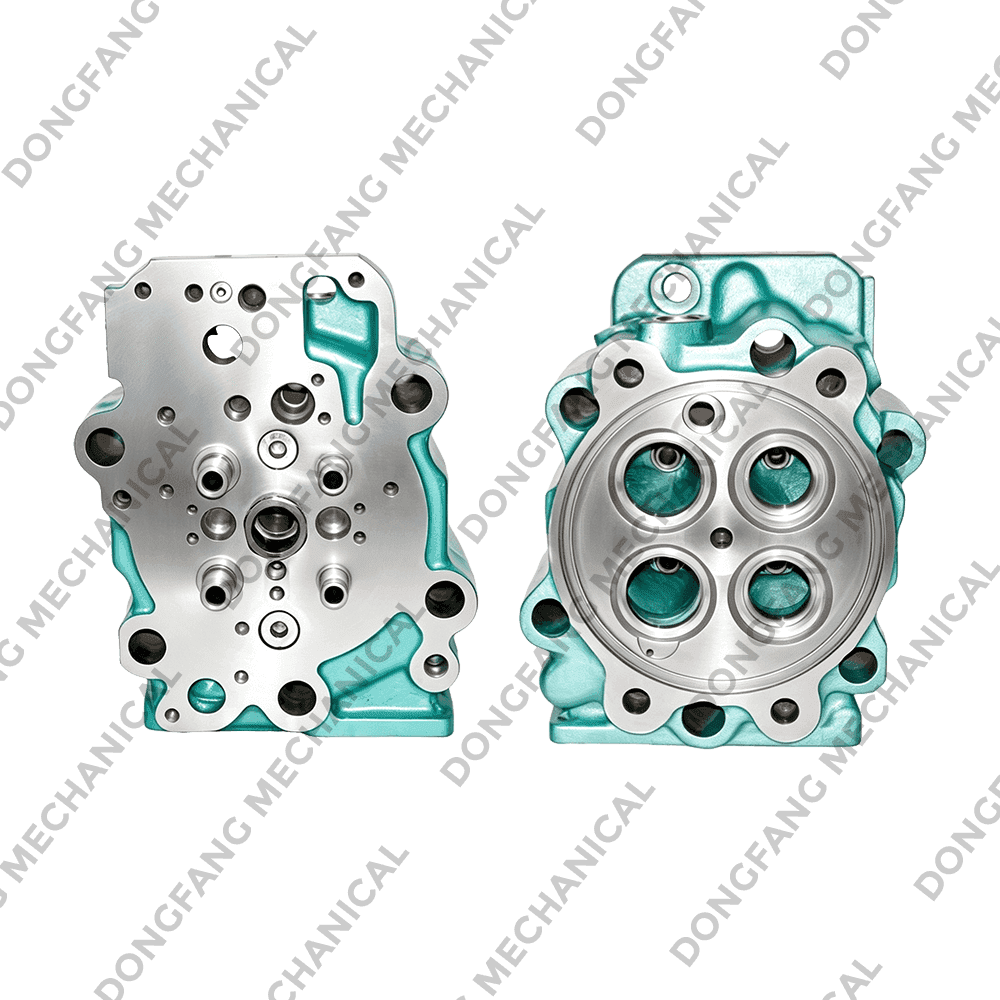 DONGFANG Cylinder Head | Replacement Spare Parts Compatible with Daihatsu Marine Diesel EnCompatible Models: DL-20、DL-22、DL-26、DL-28、DL-32、5DK-20、6DK-20、DK-28、DS-26、PS-26H (D)、DC-17、DE-18View Product →
- Ask for the valve guide bore and clearance figures, and the seat concentricity tolerance, in writing.
- Ask how the water jacket was pressure tested and at what pressure, and request the record.
- Ask about seat insert material and hardness, because a soft seat will sink again within a few hundred hours of jet boat load.
- Confirm deck flatness limits and the maximum material that may be removed in a future skim.
- Check that gasket, head bolt and injector sleeve parts are matched to the same engine variant, since mixing variants is a common source of repeat leaks.
Our cylinder head replacement catalogue is organised by the engine family each head fits, which removes most of the ambiguity during ordering.
Installation and In-Service Checks That Prevent Repeat Failures
A head that fails twice usually has an installation cause rather than a parts cause. High speed engines in particular are sensitive to small errors, and the checks below take a few hours in total.
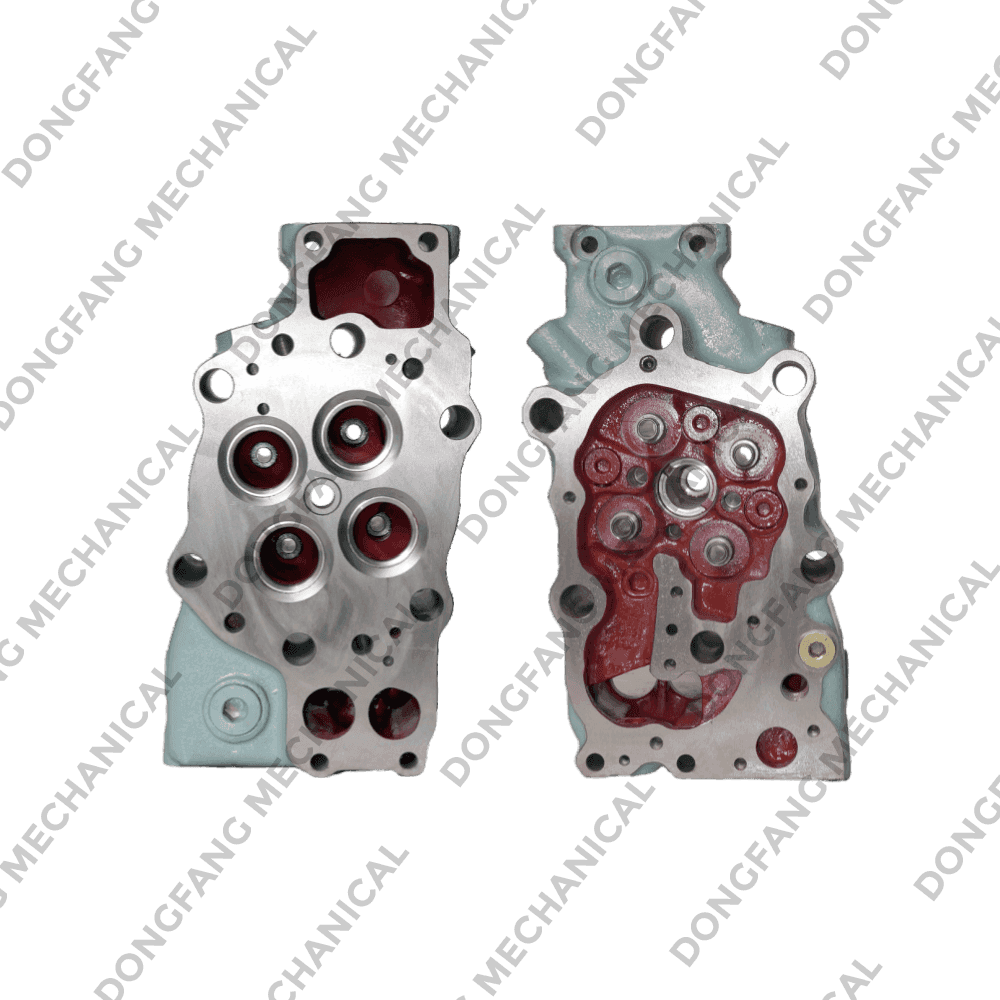 DONGFANG Cylinder Head | Replacement Spare Parts Compatible with Yanmar Marine Diesel EngiCompatible Models: NY160, N165, N180, EY180, N210, EY220, N260, EY260, N280A, N330, S165, S185, M200L, M220L, RAL170, MAL220, UAL200UT, T240, T260, Z280DT, Z280ET, MF2...View Product →
- Clean and check the block deck before fitting, then torque the bolts in the sequence and stages given in the manual.
- Re-torque or re-check after the first run-in period if the manual calls for it, and record the figures.
- Fit an exhaust gas temperature gauge and set an alarm below the level your engine is known to tolerate.
- Keep a simple log of load, temperature and coolant condition, because a diesel in a jet hull reveals its health in trends, not single readings.
- Check valve clearances at the interval the manufacturer specifies, and shorten it when the boat runs heavy at high load.
A diesel jet boat is a solvable engineering problem, and the two numbers that solve it are impeller design speed and continuous engine rating. Everything after that is about keeping the head cool, the temperatures logged and the replacement parts identified correctly. Do that, and the diesel will hold its load for as long as the trip demands.