عربى
عربى 
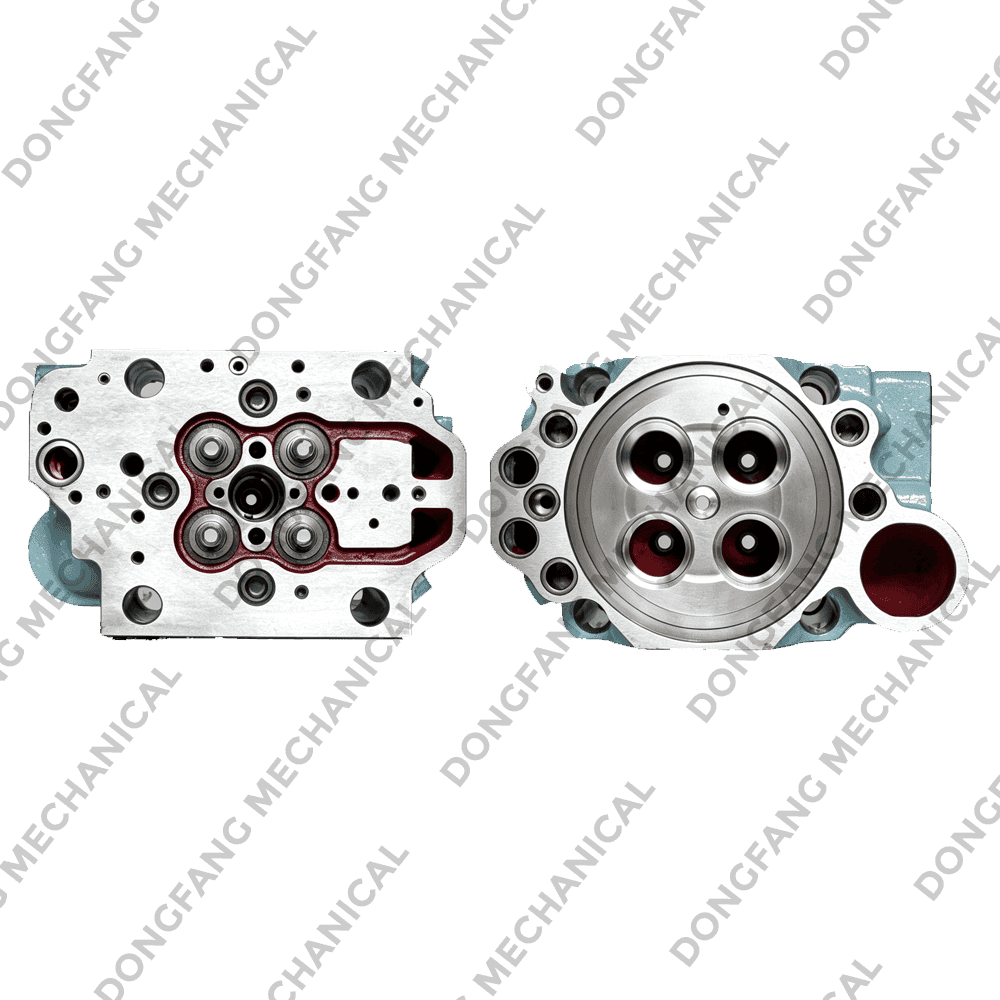
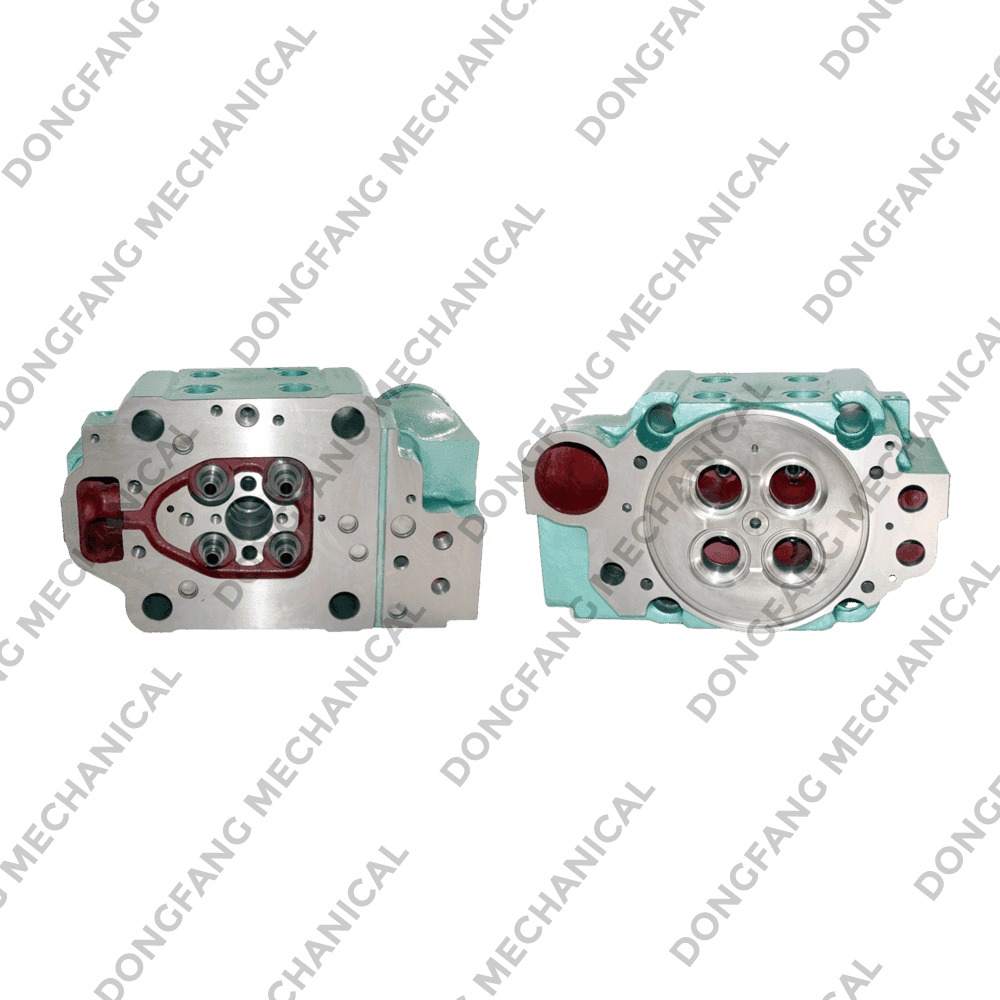
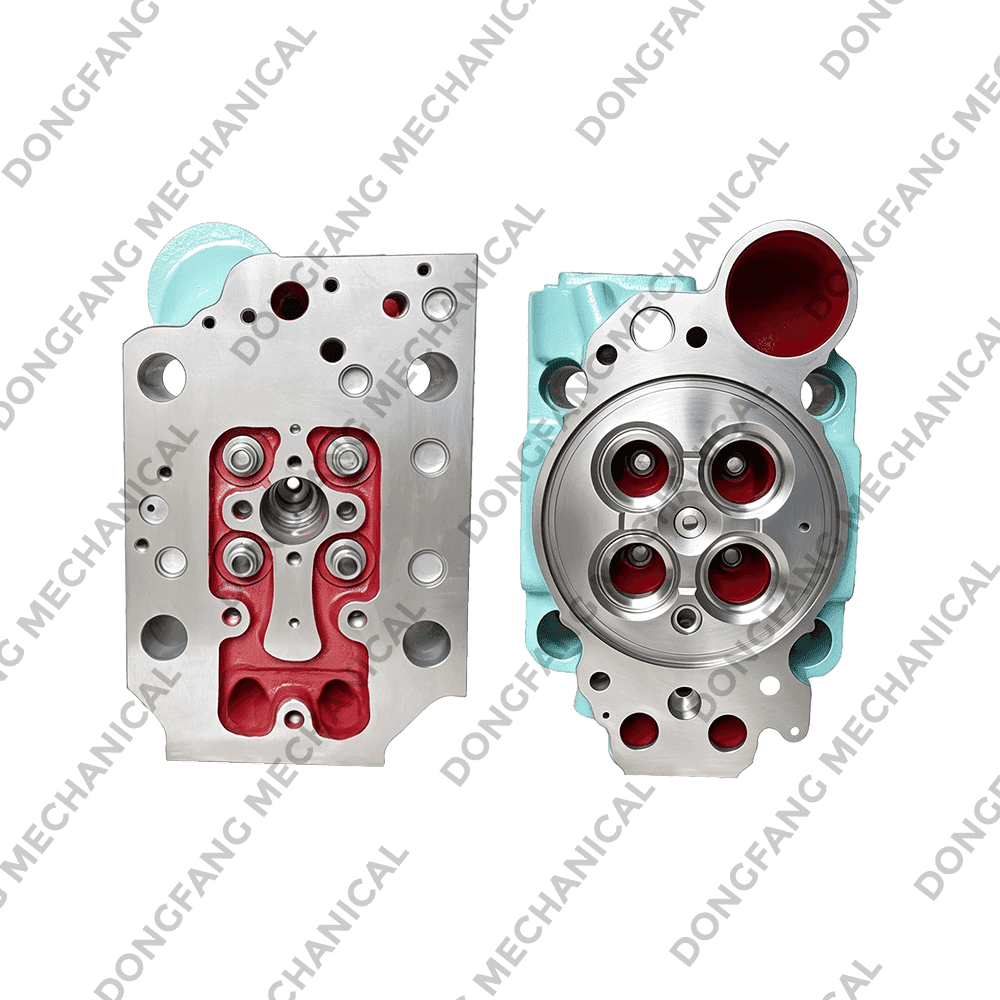
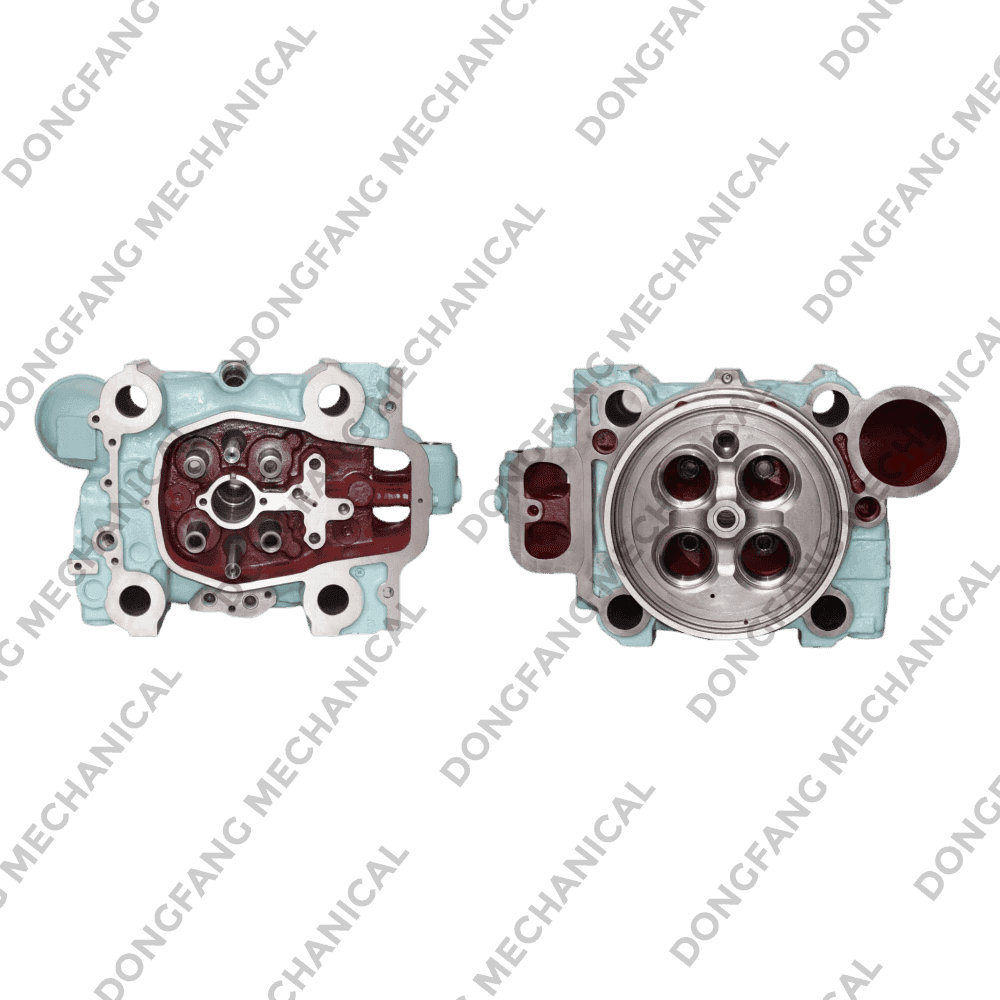
The cylinder head is a critical precision component in an internal combustion engine. Think of it as the engine's "ceiling." It sits atop the cylinder block (engine block) and together with the piston crowns, forms the combustion chamber—the core space where fuel combustion takes place to generate power.
Its main functions and working principles can be understood through the following aspects:
Core Functions and Structure
-
Sealing and Combustion: Its primary task is to seal the top of the cylinders and work with the pistons to create a confined space that withstands the high temperatures and pressures generated by combustion. The cylinder head is tightly joined to the cylinder block via a head gasket, ensuring that the combustion chambers, oil galleries, and coolant passages remain leak-free.
-
Valve Control: In most four-stroke engines, the cylinder head houses the intake valves and exhaust valves. It has complex internal intake and exhaust ports, acting as the engine's "respiratory tract" to control the entry of fresh air (or air-fuel mixture) and the exit of exhaust gases. In high-performance engines, each cylinder may have four or even five valves to improve breathing efficiency.
-
Mounting Key Components: The spark plugs (in gasoline engines) or fuel injectors (in diesel engines) are also installed on the cylinder head. In overhead camshaft (OHC) designs, the camshaft(s) are also mounted directly within the cylinder head, actuating the valves via rocker arms or other mechanisms.