عربى

Content
- 1 What the 3TNV88 Is and Where It Works
- 2 Why the Cylinder Head Deserves Early Attention
- 3 When to Replace Rather Than Repair
- 4 Matching a Replacement Cylinder Head to a 3TNV88 Variant
- 5 Procurement and Installation Checks That Prevent Comebacks
- 6 A Practical Sourcing Note for 3TNV88 Owners
- 7 Key Takeaway
A 3TNV88 that starts hard, loses coolant, or shows white exhaust after a cold start often points to the cylinder head before it points to the fuel system. The practical conclusion is simple: inspect the head early, confirm the exact engine variant, and decide between resurfacing and replacement using measurable limits rather than guesswork. On a 1.642 litre Yanmar TNV engine, the head is compact but highly loaded, and a small crack or a worn valve seat can change compression, coolant flow, and combustion quality at the same time.
What the 3TNV88 Is and Where It Works
The Yanmar 3TNV88 is a three-cylinder, direct-injection engine in the TNV series. Reference material lists a 1.642 litre displacement and a maximum output of 26.8 kW at 3000 rpm. The same engine family is certified for emissions-regulated markets, and service literature covers variants such as the 3TNV88-BDSA and 3TNV88-BPTS. Those suffixes are not decoration. They can indicate different fuel systems, oil pans, alternators, and accessory layouts. For cylinder head work, the suffix and engine serial number are part of the identification process, because valve train details, injector bore geometry, and coolant port layout can differ across builds.
These engines appear in compact construction equipment, generators, and other industrial machinery. Marine versions and marinised installations also exist, which is why replacement parts are often listed by engine family and application rather than by a single machine model. A head that fits one 3TNV88 build may not fit another without checking the gasket, manifold, and injector interfaces.
Why the Cylinder Head Deserves Early Attention
The cylinder head closes the combustion chamber, carries the valve train, and routes coolant and intake air. On a 3TNV88, the head also supports the injector position and the valve seats that control sealing. When the head distorts or cracks, the symptoms can look like several unrelated faults: hard starting, white smoke, coolant loss, oil contamination, overheating, or a radiator that keeps pushing coolant into the overflow tank. A pressure test and a visual inspection of the fire deck are more useful than replacing gaskets repeatedly.
Common warning signs include:
- Coolant loss without an external leak, especially with white exhaust.
- Bubbles in the radiator or a coolant system that pressurises quickly.
- Oil that turns milky or shows coolant contamination.
- Valve clearance that will not stay stable after adjustment.
- Visible cracks between valve seats or around injector sleeves.
- Overheating after a head gasket replacement, which may indicate a warped or cracked casting.
For a plain-language primer on the casting, valve seats, guides, and coolant passages, see this explanation of what a cylinder head is.
When to Replace Rather Than Repair
Resurfacing can be a sound repair when the head is flat, crack-free, and the valve seats and guides remain within specification. Replacement becomes the lower-risk choice when the casting is cracked, when valve seat recession exceeds the manufacturer's limit, when injector sleeves are damaged, or when corrosion has thinned the coolant passages. The table below gives a practical decision framework. It is not a substitute for the OEM service manual, but it helps a workshop separate a straightforward resurfacing job from a head that should be replaced.
| Condition | Repair path | Replacement signal |
|---|---|---|
| Flatness outside limit | Resurface only if enough material remains and valve train geometry can be restored | Warpage beyond the OEM limit or insufficient thickness after resurfacing |
| Crack between valve seats | Usually not repaired | Crack extends into the fire deck or injector bore |
| Valve seat recession | Replace seats and re-cut if the casting is sound | Seat pocket is damaged or multiple seats are loose |
| Injector sleeve damage | Replace sleeve if the bore is serviceable | Cracked sleeve bore or coolant leakage into the injector well |
| Coolant passage corrosion | Clean and pressure test | Pitting or erosion that threatens sealing |
| Valve guide wear | Replace guides and valves | Guide bore is cracked or distorted |
Matching a Replacement Cylinder Head to a 3TNV88 Variant
Variant matching is the most common source of fitment problems. A supplier may list a head as compatible with Yanmar marine diesel engines, but the 3TNV88 family includes builds with different injector arrangements and accessory packages. Before ordering, collect the engine model, the suffix, the serial number, and a photo of the original head. Compare the number of head bolts, the valve cover pattern, the intake and exhaust port positions, the injector bore diameter, and the head gasket profile. If the listing uses a broad application range, ask for the specific part number and dimensional drawing.
Use a short procurement checklist:
- Confirm the engine variant and serial number, not just the 3TNV88 family name.
- Compare the gasket bore and coolant passage layout against the original.
- Check valve stem height and spring seat dimensions after assembly.
- Verify injector protrusion and sleeve sealing before installation.
- Confirm that the replacement head is supplied with the correct valve train hardware or reuse the original only where the manual allows.
- Pressure test the head before installation if the supplier does not provide a test report.
Procurement and Installation Checks That Prevent Comebacks
Even a correct head can fail a comeback if installation is rushed. Clean the block deck, check the head bolt threads, and verify that the bolt holes are free of coolant or oil. Use the torque sequence and lubricant specified in the service manual. On many small TNV engines, the torque procedure includes a staged pull and a final angle or re-torque step. Do not substitute a generic sequence.
After assembly, run the engine to operating temperature, let it cool, and recheck coolant level and valve clearance where applicable. A coolant pressure test and a combustion gas test in the radiator can catch a sealing problem before the machine returns to service. Record the final torque values, the gasket part number, and the head serial number. That record is useful if the engine has a repeat failure, because it separates a part problem from an installation or cooling system problem.
A Practical Sourcing Note for 3TNV88 Owners
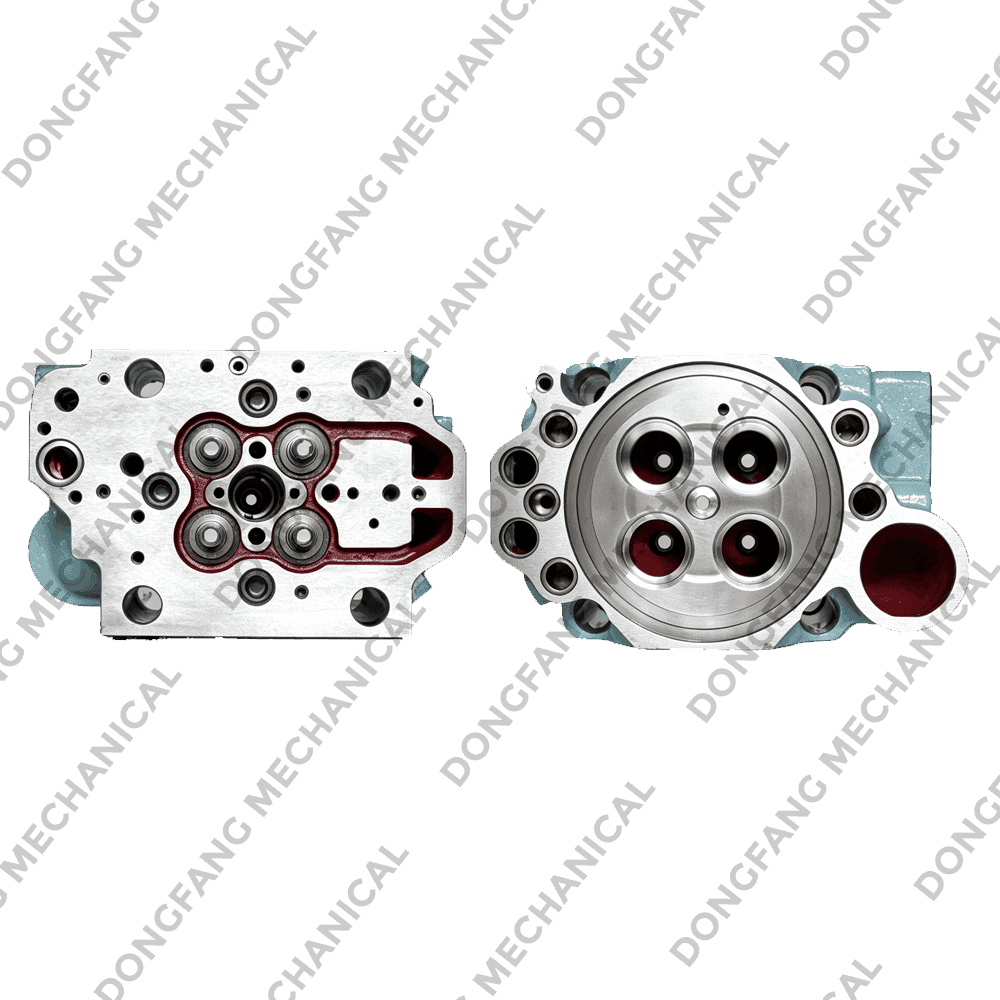
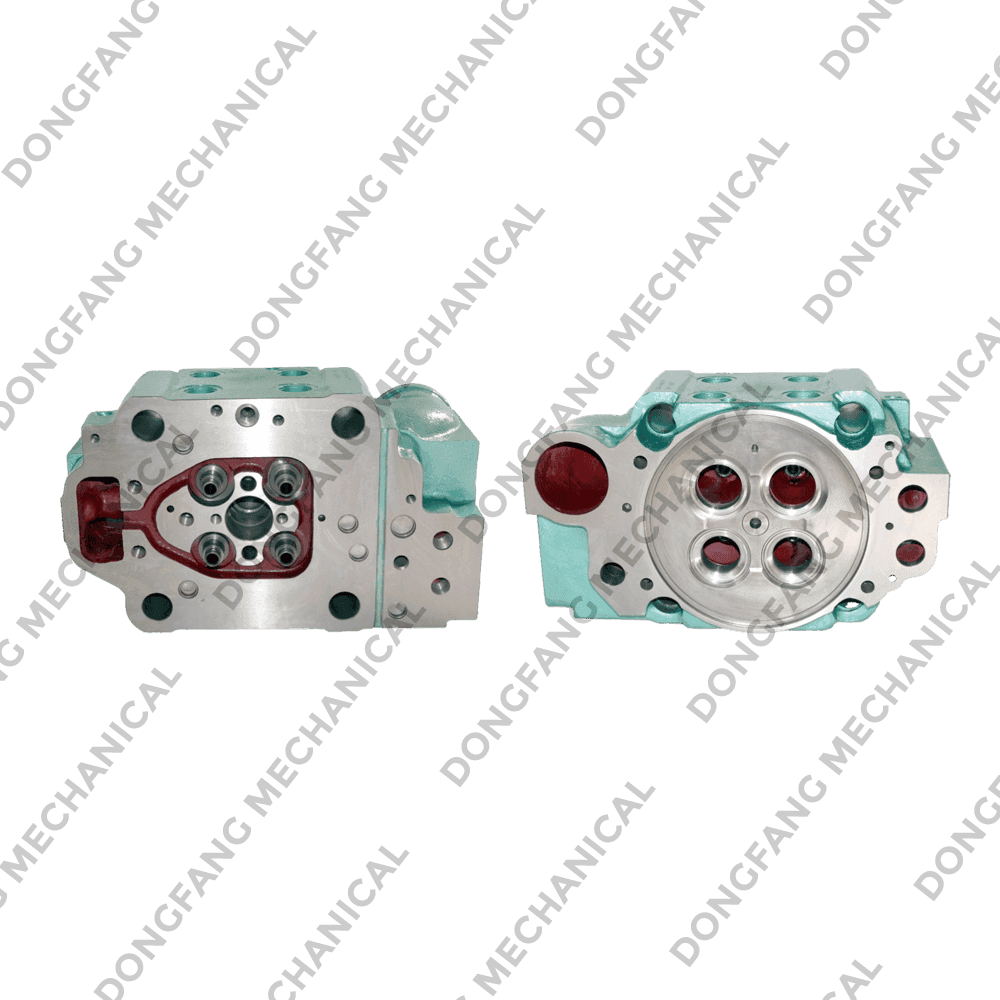
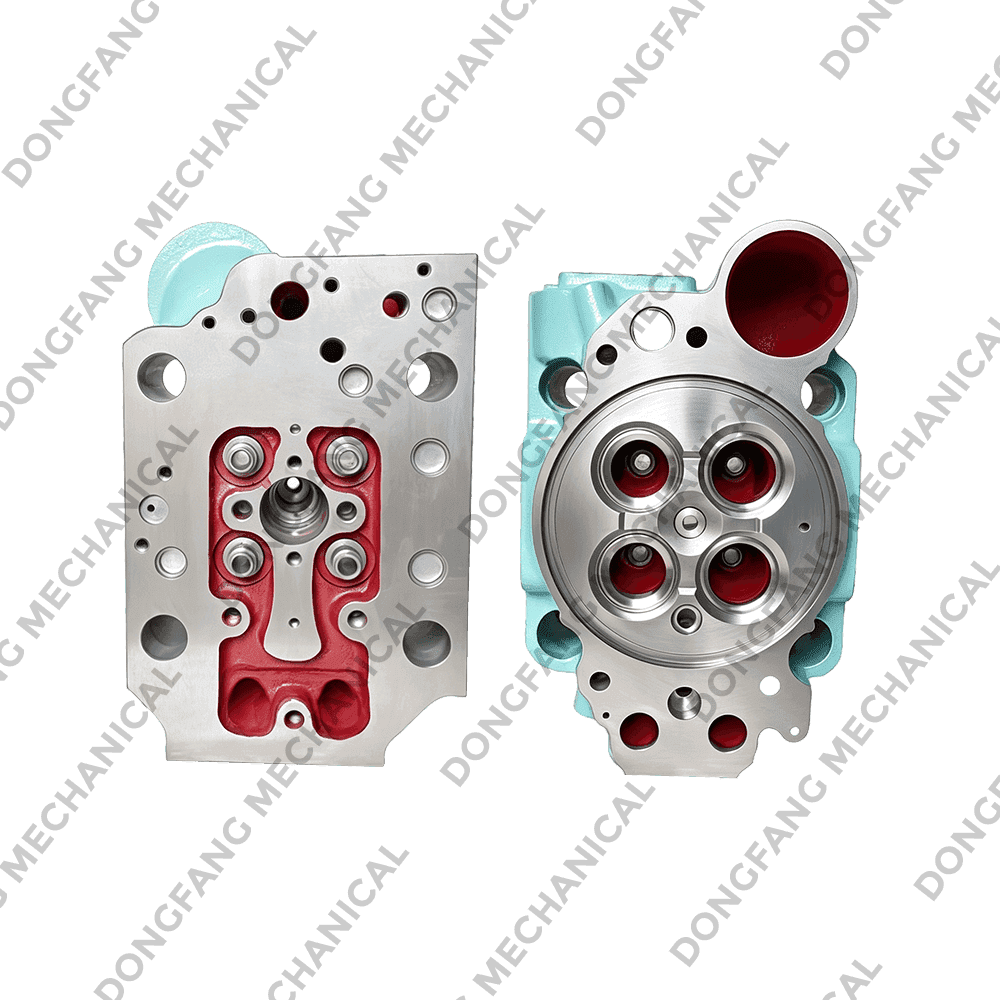
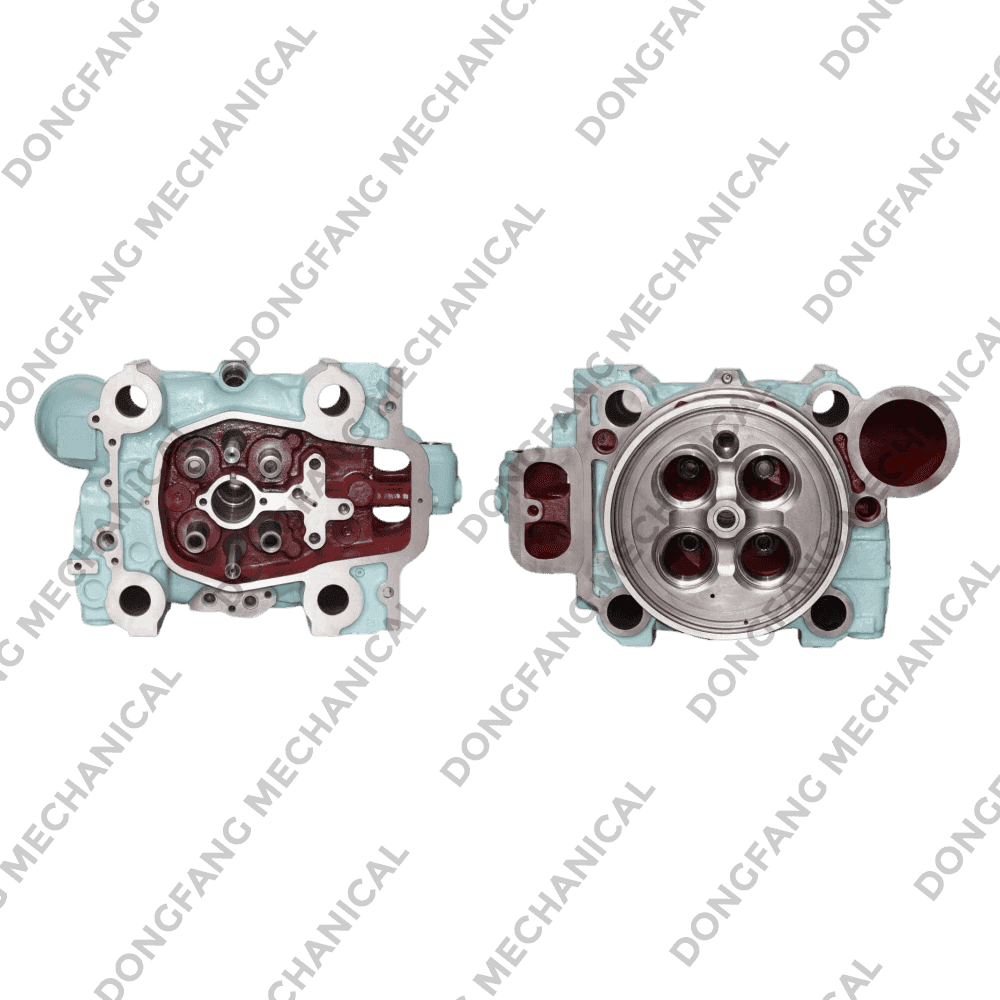
For workshops and operators in the marine and industrial repair market, sourcing a replacement head is often a balance between lead time, traceability, and dimensional confidence. Zhoushan Putuo Dongfang Machinery Co., Ltd. has more than 20 years of experience in diesel engine parts manufacturing and importing, and its product range includes cylinder head replacement spare parts for Yanmar marine diesel engines. That does not remove the need for variant checks, but it gives buyers a starting point when an original head is cracked or beyond resurfacing.
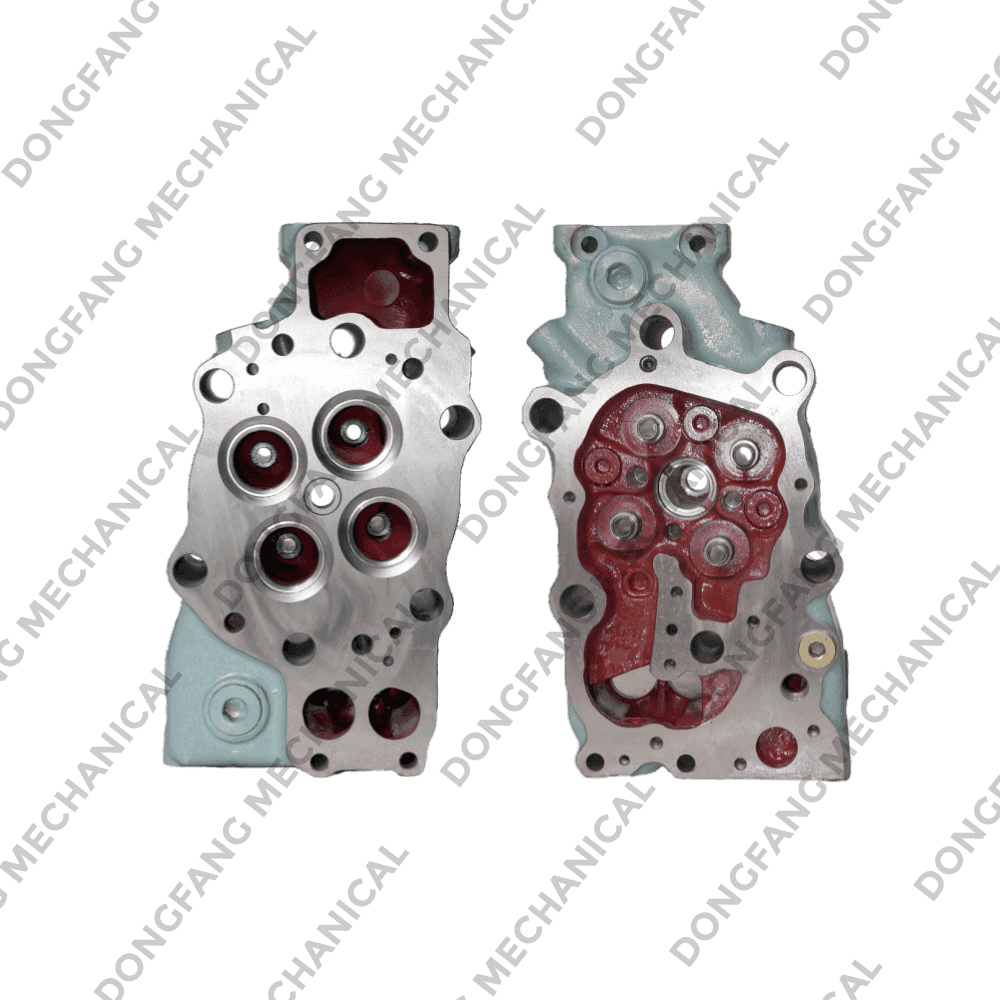 Aftermarket Cylinder Head for Yanmar Marine Diesel EnginesThird-party, not OEM, replacement cylinder head for Yanmar marine and industrial diesels; cast iron or CGI options and inspection testing aid fitment checks.View Product →
Ask for the compatible engine list, the part number, and any available inspection report before committing to a repair window. If the head is for a 3TNV88 in a marine installation, confirm the marinised components and the cooling circuit layout as well. A cylinder head is a high-value part, and the cost of a wrong fitment is usually measured in downtime rather than in the part price alone.
Key Takeaway
The 3TNV88 is a compact, high-output TNV engine, and its cylinder head is a wear and failure point that deserves a measured repair decision. Confirm the variant, inspect the casting and valve train, compare flatness and valve seat limits, and choose replacement when cracks, corrosion, or seat damage make resurfacing unreliable. A disciplined sourcing and installation process is what turns a replacement head into a durable repair rather than a repeat failure.