عربى
عربى 
Content
A working boat is repowered with a new diesel engine, the old gearbox is bolted back on because it still turns freely, and by the next season the clutch pack slips under load and the output seal weeps oil. The engine is fine. The gearbox was sized years ago for a different propeller, a different torque curve and a different duty cycle, and nobody recalculated it.
So here is the conclusion first: a gearbox for marine service is a matching component, not a standalone box of gears. It has to suit three things at once, the input torque delivered by the engine, the propeller curve the hull demands, and the mechanical interface that joins the two together. Match those three and the unit will run for many thousands of hours. Miss any one of them and you will be replacing clutch plates, seals and bearings long before the engine shows wear.
What a Marine Gearbox Does Behind the Engine
A marine transmission fitted behind a diesel engine performs three jobs, and each one has a direct consequence for selection.
- It reduces engine speed to a propeller speed the wheel can use efficiently, often three to five times lower on a displacement hull.
- It provides neutral and reverse, so one engine can drive the shaft ahead or astern when docking, manoeuvring or holding station.
- It carries propeller thrust into the hull through a thrust bearing, and it damps torsional vibration coming from the engine.
- It keeps the engine at a comfortable load while the propeller delivers thrust at a speed that controls tip speed and cavitation.
On a light planing hull, a ratio close to 1:1 can be enough. On a heavy displacement boat the same engine may need 3:1 or steeper. The ratio decides where the engine sits on its power curve at a given boat speed, and that in turn decides exhaust temperature, fuel burn and how much load the clutch has to hold.
Reduction Ratio, Shaft Speed and Hull Type
Ratio is simply engine rated speed divided by shaft speed. An engine rated at 1800 rpm turning a shaft at 450 rpm needs a 4:1 reduction. The table below shows the ranges that appear most often across common vessel types.
| Vessel type | Typical shaft speed | Typical reduction ratio | What drives the choice |
|---|---|---|---|
| Small planing boat, 6 to 10 m | 1500 to 2500 rpm | 1.0:1 to 1.5:1 | High engine speed, small wheel, minimal reduction |
| Displacement cruiser, 10 to 14 m | 800 to 1400 rpm | 1.5:1 to 2.5:1 | Comfort and fuel burn matter more than top speed |
| Fishing vessel, 15 to 25 m | 350 to 700 rpm | 2.5:1 to 4.5:1 | Large wheel, heavy displacement, long duty cycles |
| Workboat, tug or dredger | 200 to 400 rpm | 4.5:1 to 6:1 | Bollard pull and thrust capacity dominate |
| Slow speed engine, direct coupled | 90 to 250 rpm | Direct or 1:1 to 2:1 | Fewer stages, service access becomes critical |
Two numbers matter as much as the ratio itself. The first is the continuous input torque rating, which must exceed the engine torque at the governor setting, with a service factor reflecting the duty. The second is the propeller curve. A wheel that is too large for the ratio overloads the engine and the clutch at the same time, and the damage usually appears in the clutch before it appears anywhere else.
Two Shaft, Layshaft and Planetary Arrangements
Two shaft gearboxes
The input and output shafts run parallel with one gear pair permanently in mesh. Forward and reverse are obtained by engaging one of two clutches on the same shaft, which keeps the layout short and the parts count low. These units suit moderate ratios and are common on smaller fishing and pleasure craft.
Layshaft gearboxes
An intermediate shaft carries the reversing gears, so the selector mechanism moves a cone or a multi plate clutch rather than the whole gear set. This is the classic layout for medium displacement hulls, and the selector adjustment is the part that most often drifts out of tolerance in service.
Planetary and hydraulically shifted units
Higher power density comes from planetary gear sets with hydraulically applied clutches, an oil pump and a valve body. They shift smoothly under load and tolerate frequent reversing, which is why they are widely used on tugs, ferries and vessels that manoeuvre all day.
The Mechanical Interface Counts as Much as the Rating
The gearbox must bolt to the engine flywheel housing and pick up the flywheel through a damper plate. Housing sizes follow the SAE range, so check the number stamped or cast on the housing rather than measuring by eye. Then confirm the damper spline, the damper stiffness and the rotation direction, because a unit built for opposite rotation will drive the propeller the wrong way and starve the oil pump on some designs.
Engine condition feeds straight into this interface. A cylinder head that no longer seals evenly, or valve seats that have receded, changes cylinder pressure and torque delivery, and the resulting torsional excitation lands on the damper plate and the clutch. Understanding what a cylinder head does helps explain why a tired top end and a slipping clutch often appear in the same season.
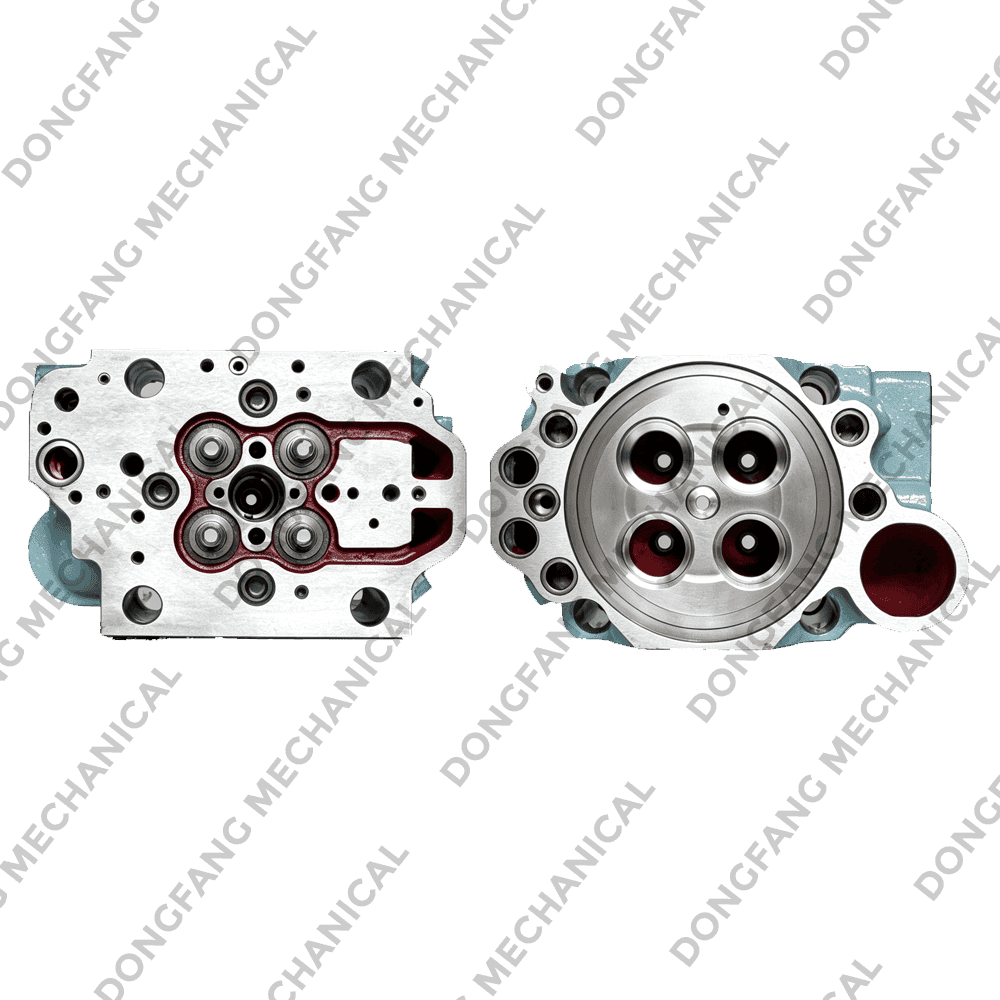
On popular medium speed and high speed engines, replacement cylinder heads are available for the main marine families, including units built around MAN marine diesel engines.
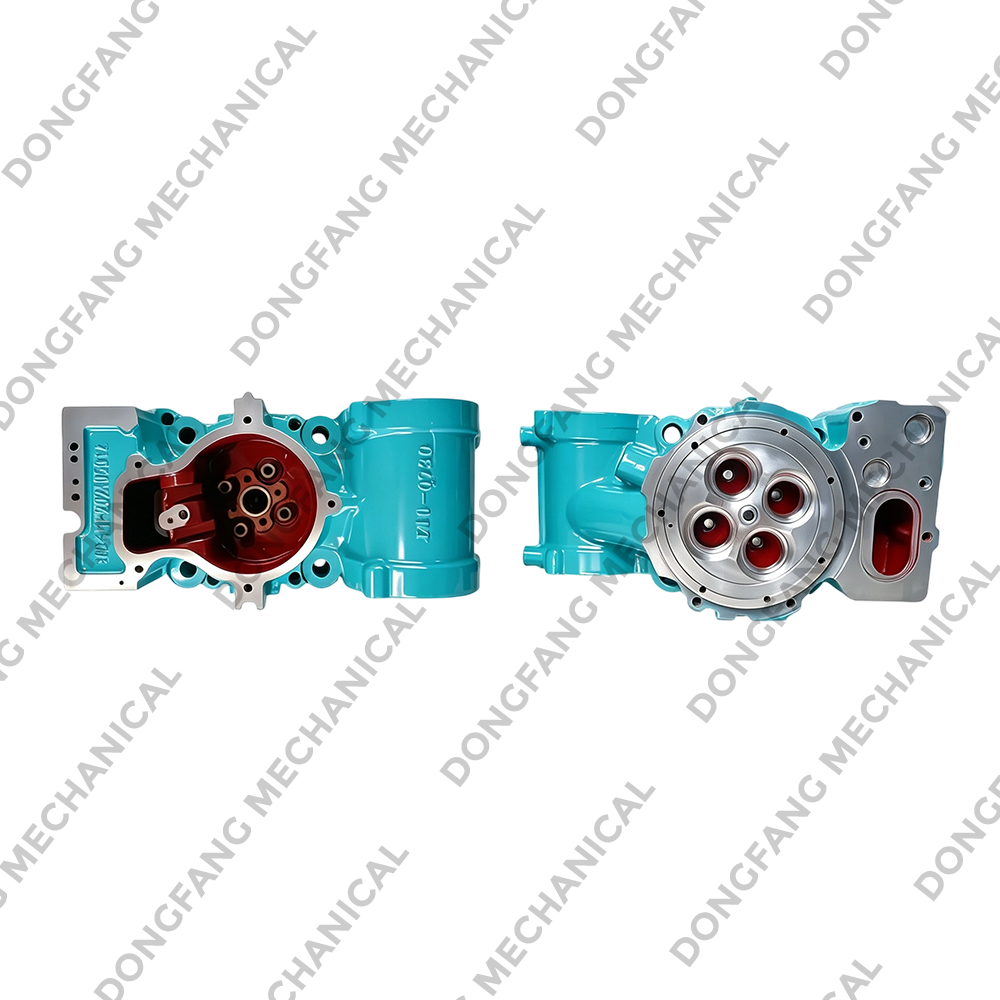 DONGFANG Cylinder Head | Replacement Spare Parts Compatible with MAN Marine Diesel EnginesCompatible Models: L16/24, L23/30, L23/30H, L28/32A, S26MC, L31, L35MC, S35MC, L50MC-C I. Product Overview DONGFANG cylinder heads are third-party compatible replaceme...View Product →
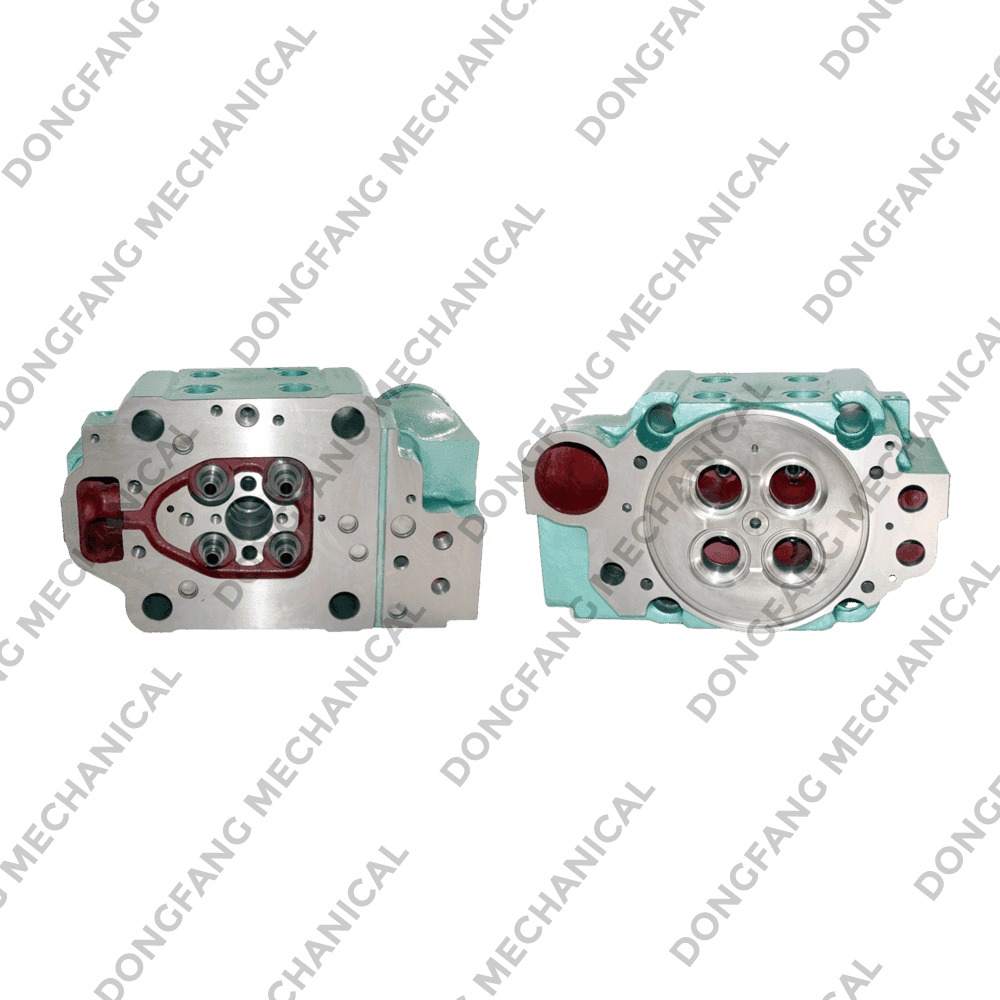
The same applies to lighter high speed engines used in fishing and coastal craft, where Daihatsu marine versions are widely serviced in the region.
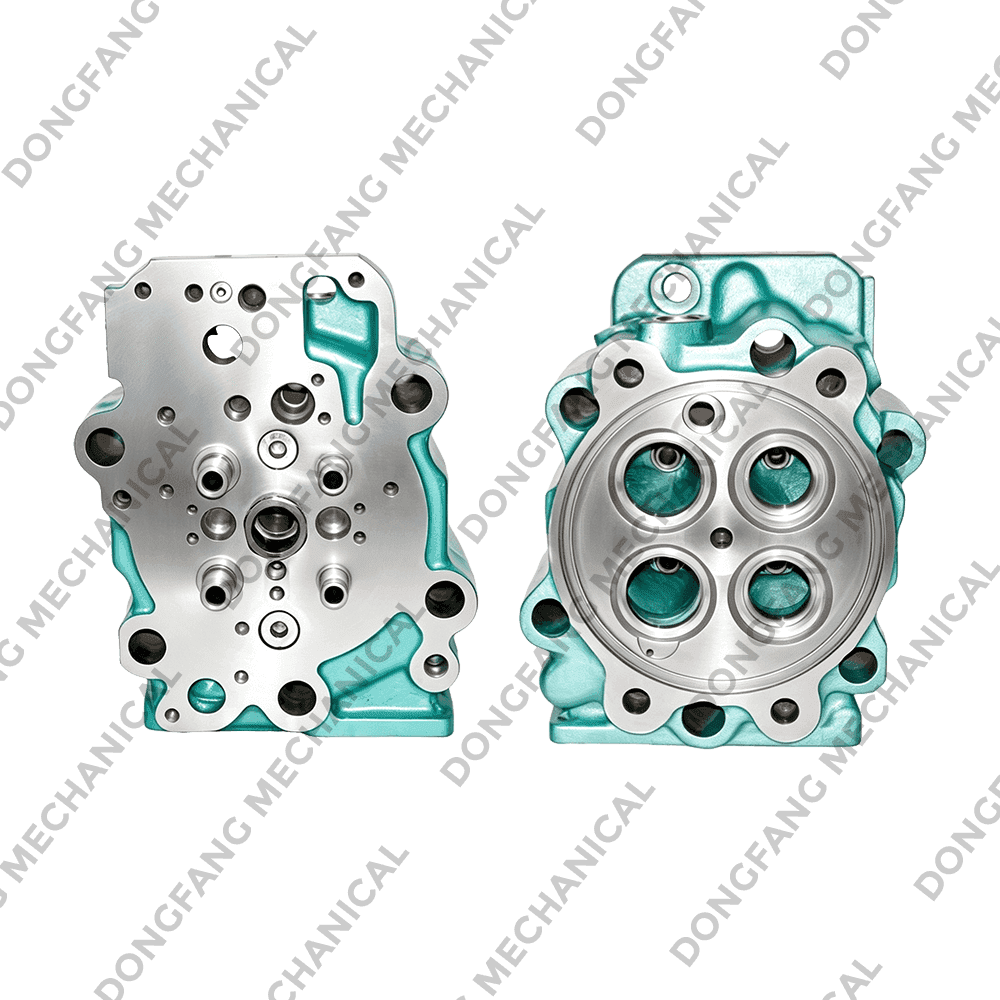 DONGFANG Cylinder Head | Replacement Spare Parts Compatible with Daihatsu Marine Diesel EnCompatible Models: DL-20、DL-22、DL-26、DL-28、DL-32、5DK-20、6DK-20、DK-28、DS-26、PS-26H (D)、DC-17、DE-18View Product →
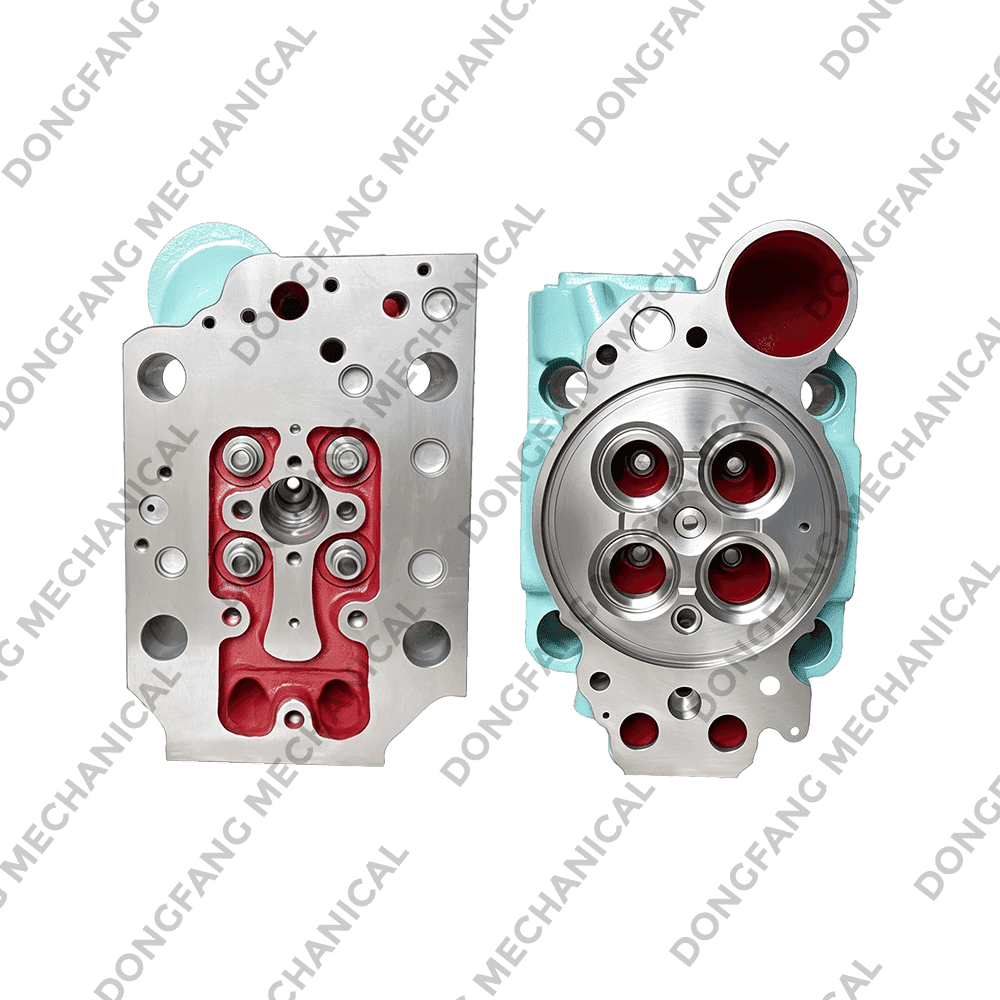
Smaller auxiliary and propulsion engines follow the same logic, and Yanmar marine cylinder head replacements are commonly requested alongside gearbox work.
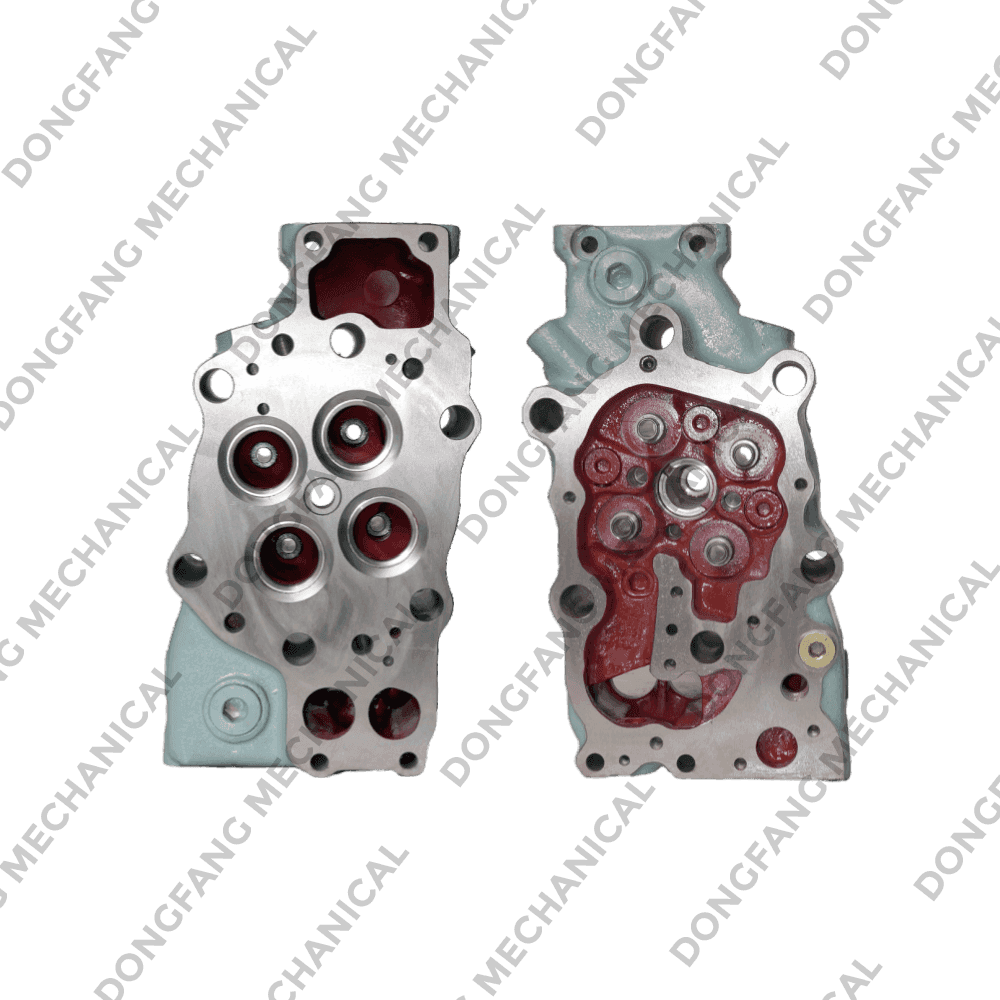 DONGFANG Cylinder Head | Replacement Spare Parts Compatible with Yanmar Marine Diesel EngiCompatible Models: NY160, N165, N180, EY180, N210, EY220, N260, EY260, N280A, N330, S165, S185, M200L, M220L, RAL170, MAL220, UAL200UT, T240, T260, Z280DT, Z280ET, MF2...View Product →
Clutches, Dampers and What Fails First
The clutch and the damper plate absorb everything the engine and propeller throw at them, so they are the parts that reveal a mismatch. Slipping under load, a burnt smell in the engine room, black oil on the dipstick and vibration at idle in neutral are the classic early signals. Vibration in neutral points to the damper rather than the clutch, while slipping in gear points to clamp load, oil contamination or a cooler that is undersized for continuous duty.
Oil quality deserves more attention than it usually gets. Most marine gearboxes share the oil with a cooler, and a partially blocked cooler raises temperature enough to glaze friction plates over a long passage. If the unit is rated for a specific oil grade, using a different specification changes shift quality and clutch life, particularly on hydraulically shifted units.
Symptoms and Their Usual Causes
| Symptom | Likely cause | First check |
|---|---|---|
| Slips when power is applied | Worn clutch plates or low clamp load | Oil level, oil condition and cooler flow |
| Vibration at idle in neutral | Damaged damper plate or misalignment | Damper springs, spline wear and alignment |
| No reverse engagement | Selector cone wear or cable travel | Lever travel and selector adjustment |
| Oil weeping at output flange | Worn seal with shaft runout | Seal condition, shaft runout and bearing play |
| Overheating on long passages | Undersized cooler or blocked raw water side | Cooler cleanliness and raw water flow |
What to Ask Before You Order
Whether you are buying a complete unit or spare parts, a short checklist removes most of the risk from the purchase.
- Rated input torque and the reduction ratio, written on the order rather than assumed.
- Rotation direction, taken from the propeller and confirmed against the engine.
- SAE housing size, flywheel bolt pattern and damper spline dimensions.
- Duty rating, expressed as continuous or intermittent hours per day.
- Cooler requirement, including the oil flow and heat rejection figures.
- Output flange type, shaft coupling and any thrust bearing arrangement.
- Spare parts availability for clutch plates, seals and bearings.
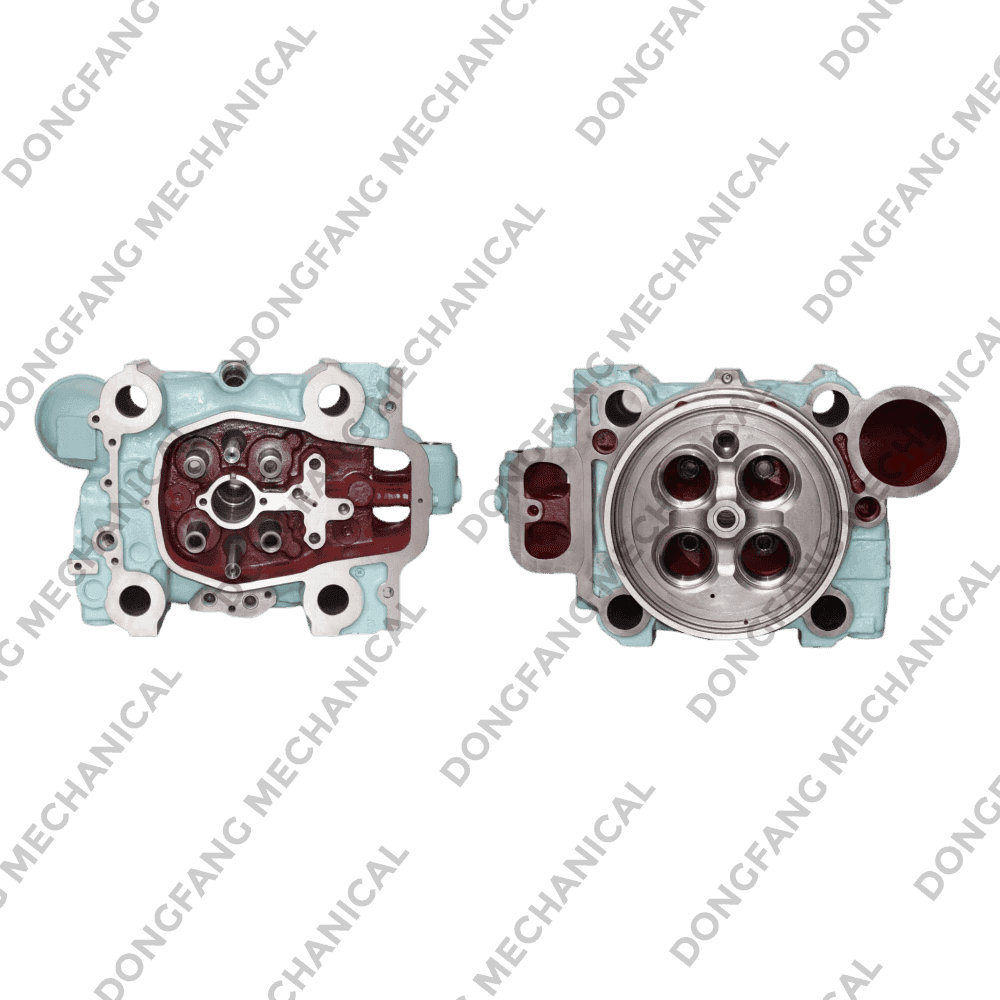
It also helps to compare the new rating against the old nameplate. A gearbox that was marginal when new rarely gives a second life to a repowered boat, and the correct decision at that point is a larger unit rather than a higher service factor on paper. If you need engine side parts at the same time, the cylinder head replacement spare parts catalogue is organised by engine family so the correct compatible part is easier to identify.
Treat the gearbox as part of a system that starts at the combustion chamber and ends at the propeller blade. Decide the shaft speed from the hull and wheel, size the input torque from the engine rating with a realistic service factor, then confirm the housing, spline and rotation before anything is shipped. That sequence costs an hour of checking. Skipping it costs a season of slipping clutches, burnt oil and unscheduled yard time, and no amount of engine work will compensate for a transmission that was never matched to the load behind it.