عربى
عربى 
Content
- 1 Why Correct Part Selection Is Harder Than It Looks
- 2 Core Criteria for Selecting a Replacement Part
- 3 Comparing Sourcing Options
- 4 Common Mistakes That Lead to Part Failure
- 5 Step by Step Approach to Choosing the Right Part
- 6 Where Dongfang Fits Into the Selection Process
- 7 How Load Profile Affects Part Selection
- 8 Installation Practices That Protect Part Longevity
- 9 Practical Example From Fleet Maintenance Records
- 10 Balancing Cost and Long Term Value
- 11 Final Thoughts
The most reliable way to choose Replacement Spare Parts Compatible with Daihatsu Marine Diesel Engines is to match four criteria at once: exact model and engine serial compatibility, verified material specification, precision machining tolerances, and documented pressure or quality testing. Skipping any one of these four factors is the leading cause of premature part failure, according to marine repair workshops that track warranty claims. A part that fits by casting shape but does not match the original alloy composition can fail 40 to 50 percent sooner than a correctly specified replacement, even if it appears identical on the surface.
Why Correct Part Selection Is Harder Than It Looks
Daihatsu marine diesel engines are used across a wide range of vessel types, from small fishing boats to larger commercial cargo ships, and the engine lineup includes multiple series with variations in bore size, cooling configuration, and mounting design. Two engines that look similar from the outside can require entirely different cylinder heads, gaskets, or injector assemblies. Selecting a part based on general engine family name alone, without confirming the exact model number and serial range, is one of the most common mistakes made during procurement.
This complexity is compounded by the fact that some components were updated mid production run, meaning two engines built only a few years apart may use different revisions of the same part. Cross referencing the original part number against the engine data plate is the safest starting point before ordering any replacement.
Core Criteria for Selecting a Replacement Part
Exact Model and Serial Match
Always confirm the engine model designation and serial number range printed on the engine data plate before selecting a part. This single step prevents the majority of fitment errors reported by marine parts suppliers.
Material Specification
Cylinder heads, blocks, and other structural components must match the original alloy grade to maintain proper thermal expansion behavior and structural strength. A mismatched alloy can lead to warping under repeated heat cycles, sometimes within the first 500 operating hours.
Machining Tolerance
Mating surfaces, such as the gasket face on a cylinder head, need to meet flatness tolerances typically within a few hundredths of a millimeter. Poor machining tolerance is a frequent root cause of coolant leaks that appear shortly after installation.
Quality Testing Documentation
Reputable manufacturers pressure test castings before shipment to detect porosity or hidden defects. Requesting test documentation, when available, adds an extra layer of confidence before installation.
Comparing Sourcing Options
Vessel owners generally choose between three sourcing paths when a part needs replacement. Each comes with different trade offs in cost, lead time, and long term reliability.
| Sourcing Option | Typical Lead Time | Reliability Outlook |
| Rebuilding the worn original part | 1 to 3 weeks | Moderate, depends on rebuild quality |
| Used salvage part from a decommissioned engine | Variable, often delayed by sourcing difficulty | Unpredictable, unknown wear history |
| Newly manufactured part built to original specification | Typically 1 to 2 weeks depending on stock | High, consistent quality control |
Newly manufactured components built to original dimensional and material specification generally offer the most predictable outcome because there is no uncertainty around prior fatigue or hidden wear.
Common Mistakes That Lead to Part Failure
- Ordering by general engine name instead of exact model and serial number
- Reusing old gaskets or seals with a new part to save cost
- Skipping torque specification during installation
- Ignoring surface flatness inspection before mounting a new cylinder head
- Choosing the lowest price option without checking material certification
Each of these mistakes has been linked by marine repair technicians to early part failure, often within the first year of installation.
Step by Step Approach to Choosing the Right Part
- Record the exact engine model and serial number from the data plate
- Identify the specific part number for the failed or worn component
- Confirm material specification matches the original component
- Request machining tolerance or quality testing documentation from the supplier
- Verify the supplier offers fitment support in case of dimensional discrepancy
- Plan installation with correct torque sequence and new gaskets or seals
Where Dongfang Fits Into the Selection Process
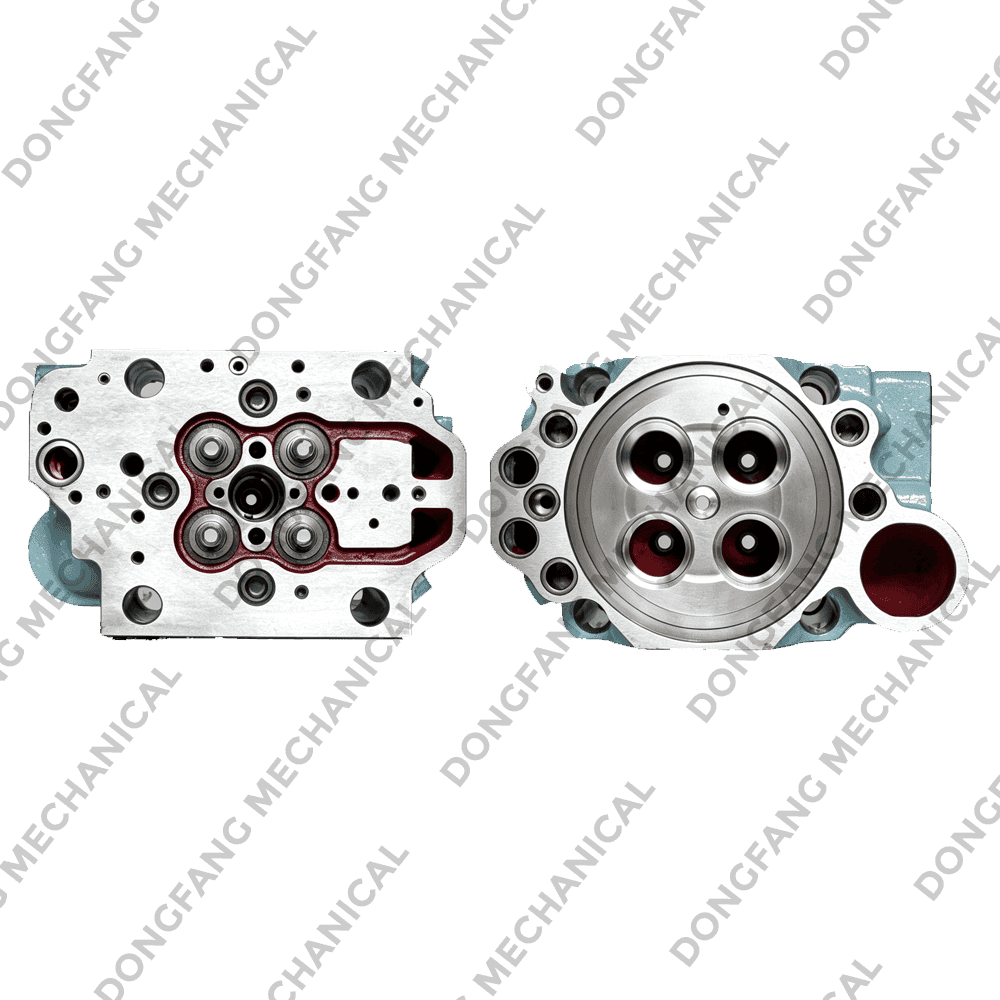
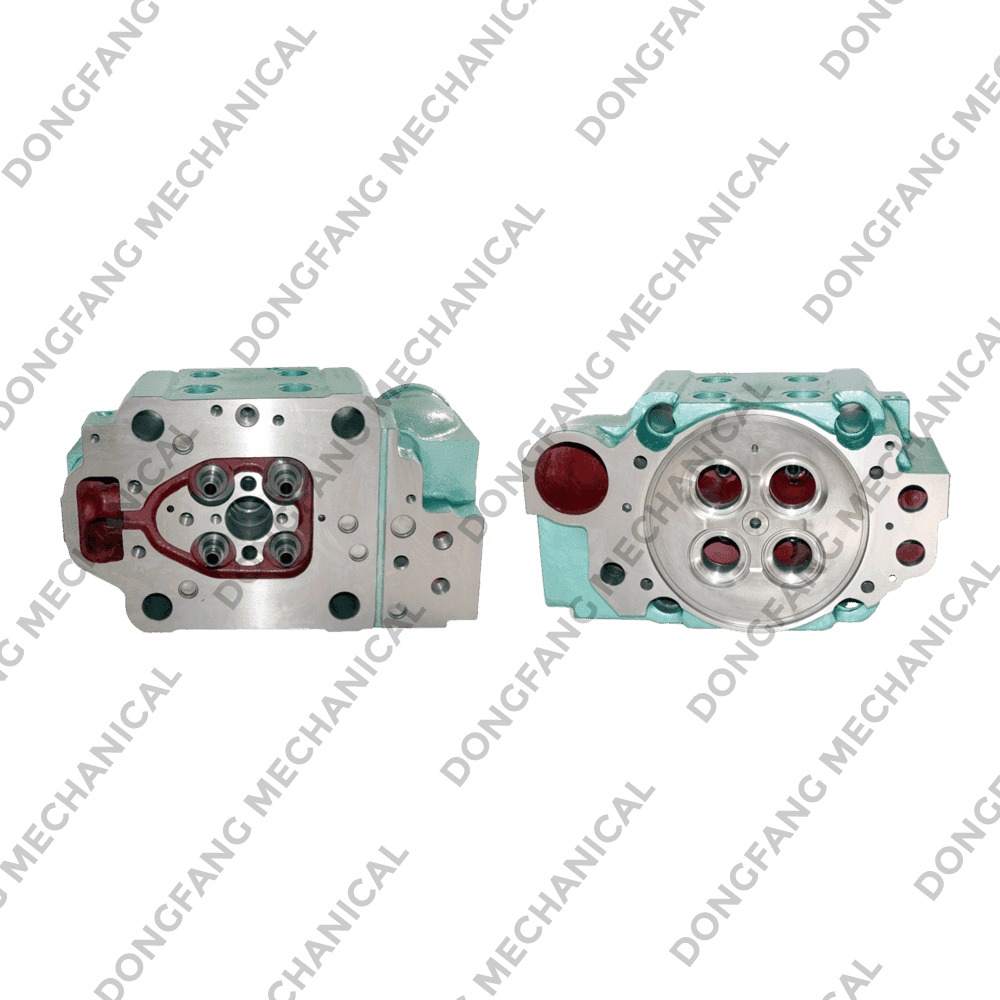
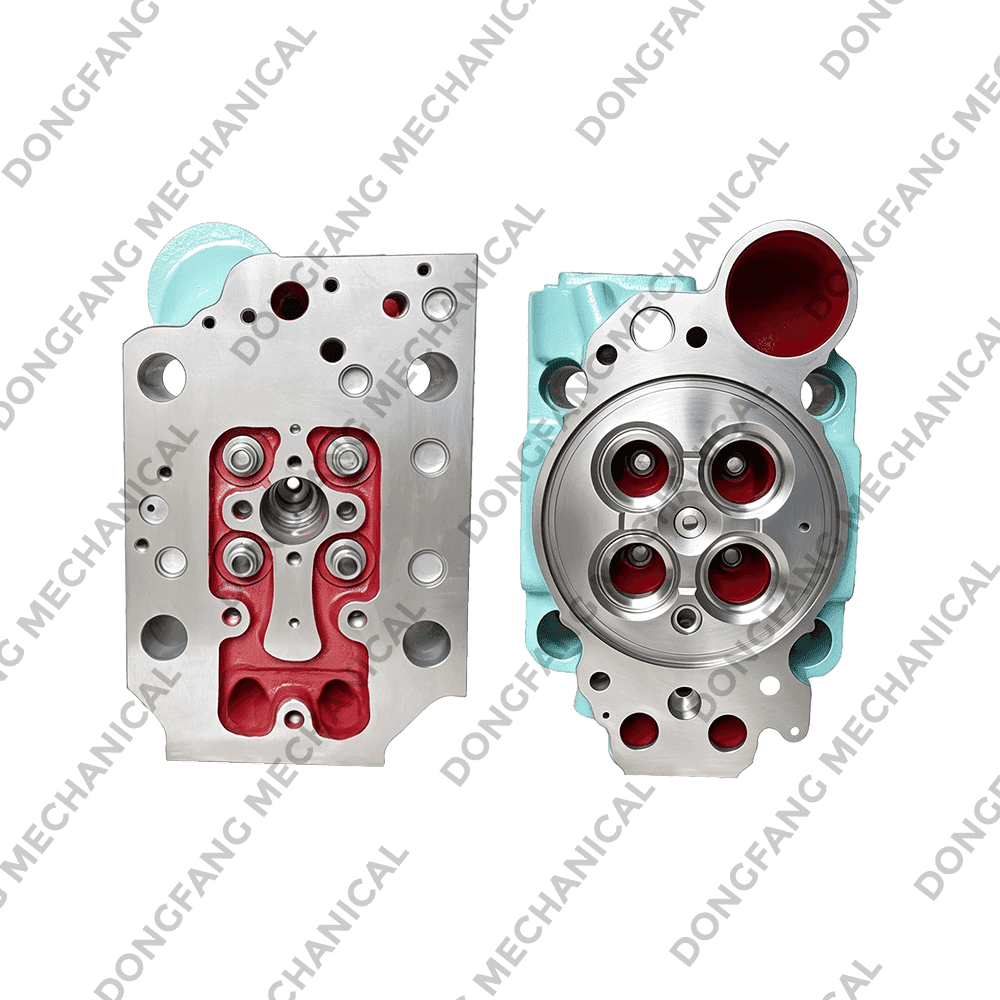
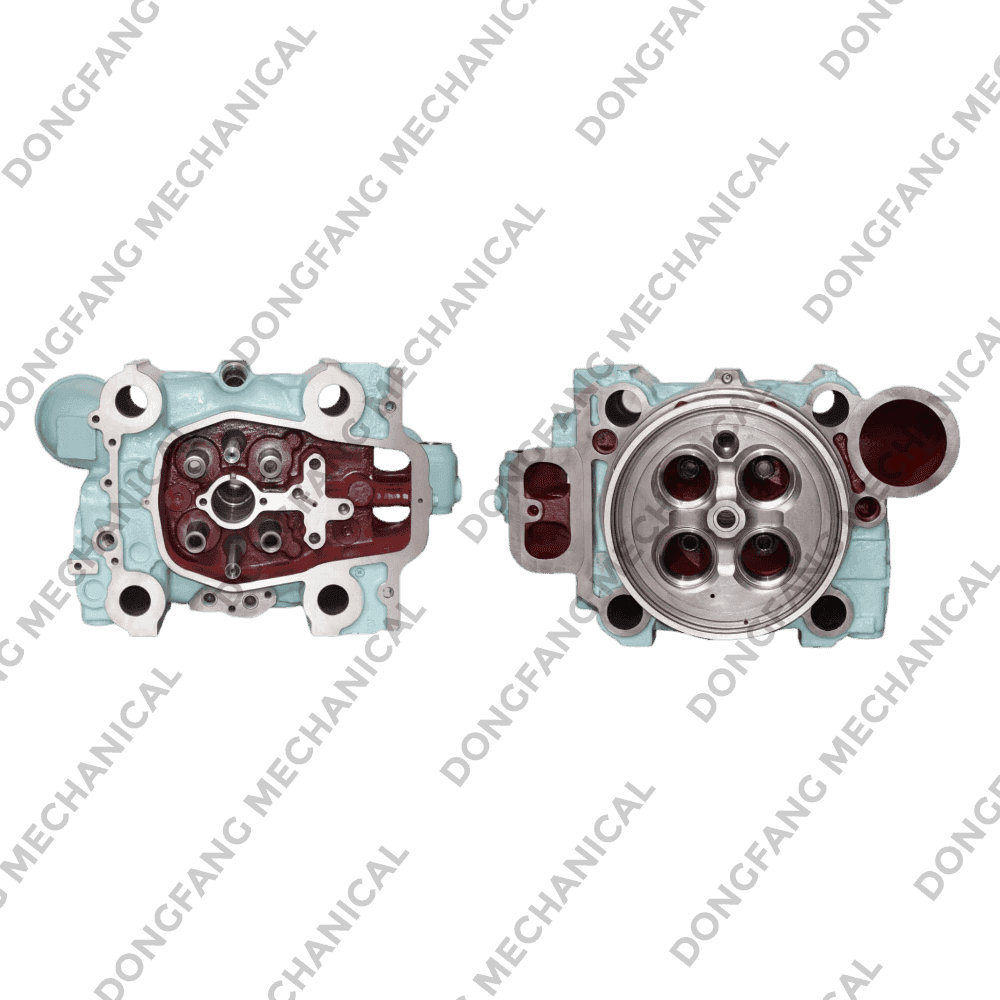
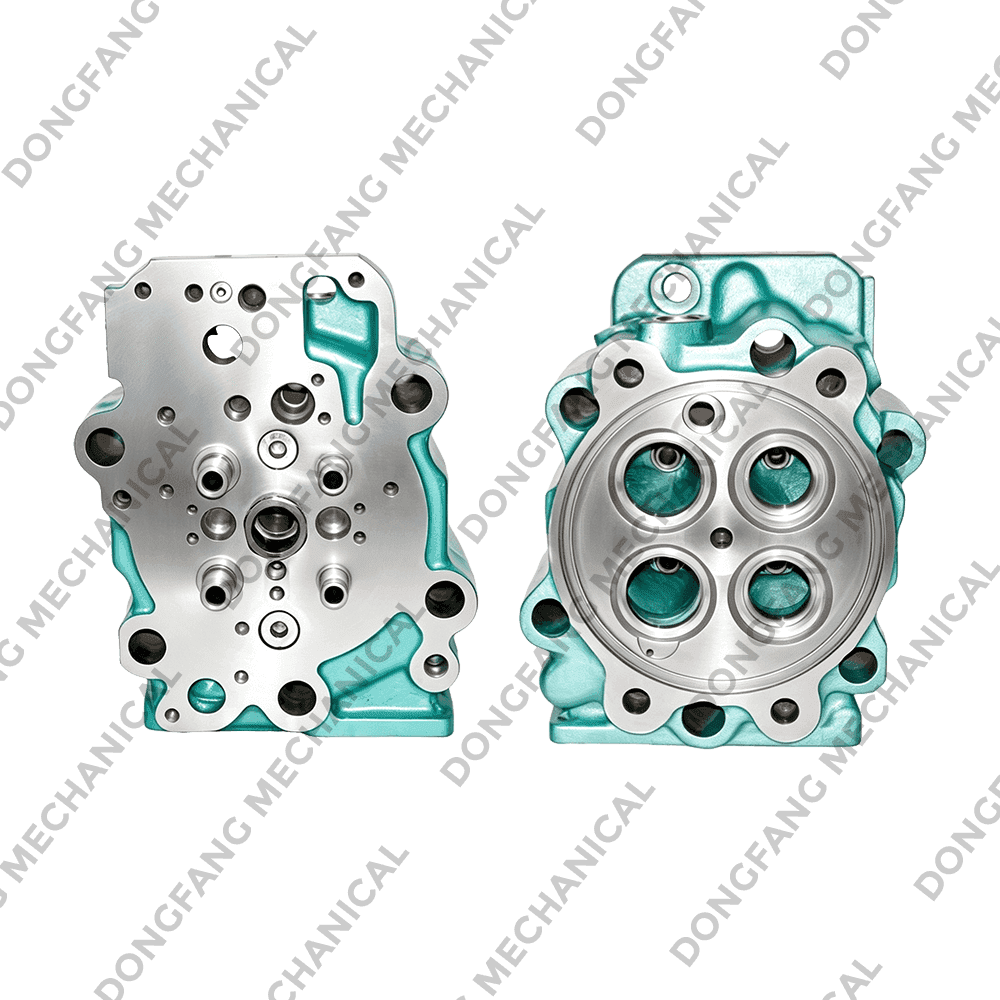
Replacement Spare Parts Compatible with Daihatsu Marine Diesel Engines manufactured to original dimensional and material specification remove much of the uncertainty described above. Components such as cylinder heads are produced with consistent casting quality, verified valve seat machining, and dimensional accuracy matched to the original engineering drawings, which helps ensure proper sealing and heat transfer once installed. For vessel operators managing maintenance schedules across multiple engines, working with a supplier that documents material grade and testing procedures simplifies the selection process and reduces the risk of repeat failures.
How Load Profile Affects Part Selection
The way a vessel is operated influences which components deserve extra attention during replacement planning. Commercial vessels running at sustained high load, such as long haul cargo operation, place more thermal stress on cylinder heads and injectors than recreational vessels that operate intermittently. Workshops servicing commercial fleets report that engines under continuous heavy load benefit from selecting components with slightly more conservative tolerance margins, since these engines accumulate operating hours far faster than seasonal recreational vessels.
| Vessel Type | Typical Annual Hours | Component Priority |
| Recreational cruiser | 100 to 300 hours | Seals, gaskets, impellers |
| Commercial fishing vessel | 800 to 1,500 hours | Cylinder head, injectors, cooling components |
| Cargo or tug vessel | 3,000 to 5,000 hours | Cylinder block, crankshaft, turbocharger |
Installation Practices That Protect Part Longevity
Torque Sequence Accuracy
Cylinder head bolts must be tightened in the manufacturer specified sequence and stages to distribute clamping force evenly. Uneven torque application is a documented cause of early gasket failure, sometimes appearing within the first 300 hours of operation.
Surface Preparation
Mating surfaces should be cleaned of old gasket material and inspected for scratches or corrosion before a new part is installed. Debris left on a sealing surface is a common but avoidable cause of coolant or oil leaks after replacement.
Break In Monitoring
After installing a major component such as a cylinder head, monitoring coolant temperature and oil pressure closely during the first 50 hours of operation helps catch installation issues before they cause secondary damage.
Practical Example From Fleet Maintenance Records
A commercial fishing operator managing three vessels equipped with Daihatsu marine diesel engines reported that switching to newly manufactured cylinder heads built to original specification, combined with strict torque sequence procedures, reduced repeat gasket failures from an average of once every 18 months to a single occurrence over a four year period across the fleet. This example illustrates how combining correct part selection with disciplined installation practice compounds reliability gains over time.
Balancing Cost and Long Term Value
Choosing the cheapest available part is often a false economy when total cost of ownership is considered. A lower priced component with inconsistent machining tolerance may require replacement twice within the time a correctly specified part lasts once, effectively doubling both material and labor cost. Evaluating suppliers based on documented material certification and testing procedures, rather than price alone, tends to produce lower total maintenance cost across the operating life of the engine.
Final Thoughts
Choosing the right replacement parts for Daihatsu marine diesel engines comes down to verifying exact model compatibility, confirming material specification, checking machining tolerance, and reviewing quality testing documentation before installation. Skipping any of these steps significantly raises the risk of early failure, while a disciplined selection and installation process can extend component life well beyond typical expectations. Working with a supplier that manufactures parts to original specification, such as those built for Daihatsu marine diesel applications, gives vessel owners a dependable foundation for long term engine reliability.