عربى
عربى 
Content
- 1 Why Worn Components Quietly Reduce Engine Performance
- 2 Key Components That Directly Affect Performance
- 3 Performance Comparison Before and After Replacement
- 4 How Precision Manufacturing Translates Into Real Performance
- 5 Step by Step Approach to Restoring Lost Performance
- 6 Practical Example From Commercial Vessel Operation
- 7 Where Dongfang Cylinder Head Components Support Performance Goals
- 8 Common Signs Performance Has Declined
- 9 Balancing Performance Gains With Maintenance Discipline
- 10 Final Thoughts
Quality Replacement Spare Parts Compatible with MAN Marine Diesel Engines improve performance primarily by restoring the precise tolerances, sealing, and material properties that wear away over time. Engines fitted with correctly specified replacement components have shown fuel efficiency improvements of 5 to 10 percent and more stable power output compared to engines running on worn or mismatched parts, based on data collected by marine repair workshops tracking before and after fuel consumption logs. The improvement comes from three main mechanisms: restored combustion efficiency, reduced internal friction, and improved heat management, each of which directly affects how much usable power the engine delivers per unit of fuel burned.
Why Worn Components Quietly Reduce Engine Performance
Performance loss in a marine diesel engine rarely happens suddenly. Instead, it accumulates gradually as individual components drift outside their original tolerances. A cylinder head with a slightly warped gasket surface may not cause an obvious failure right away, but it can allow small compression losses that reduce combustion efficiency. Worn injectors may still deliver fuel, but with a less precise spray pattern that leads to incomplete combustion and increased exhaust smoke. Individually, these small losses may go unnoticed, but combined across multiple components they can meaningfully reduce both power output and fuel economy.
Marine engineers often describe this as a slow performance drift, since operators may not realize how much output has been lost until a direct comparison is made after replacing key components.
Key Components That Directly Affect Performance
Cylinder Head and Valve Seats
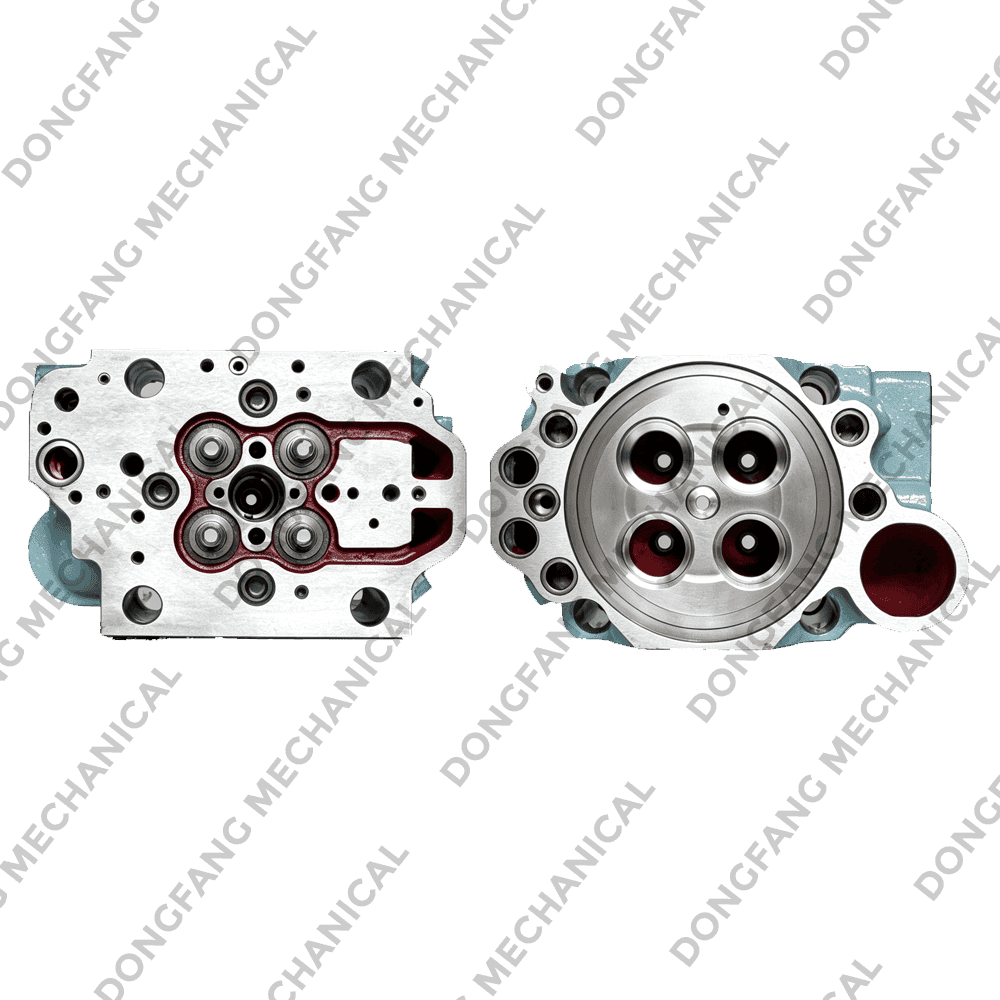
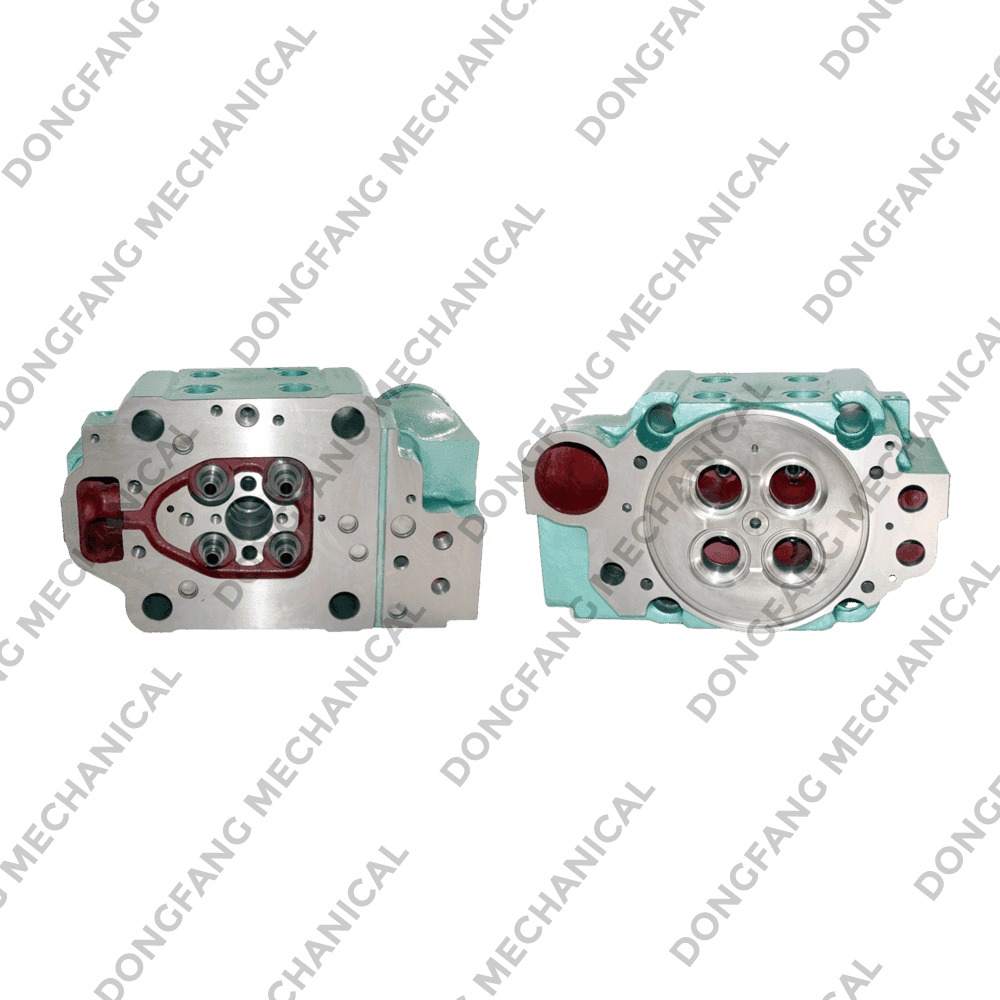
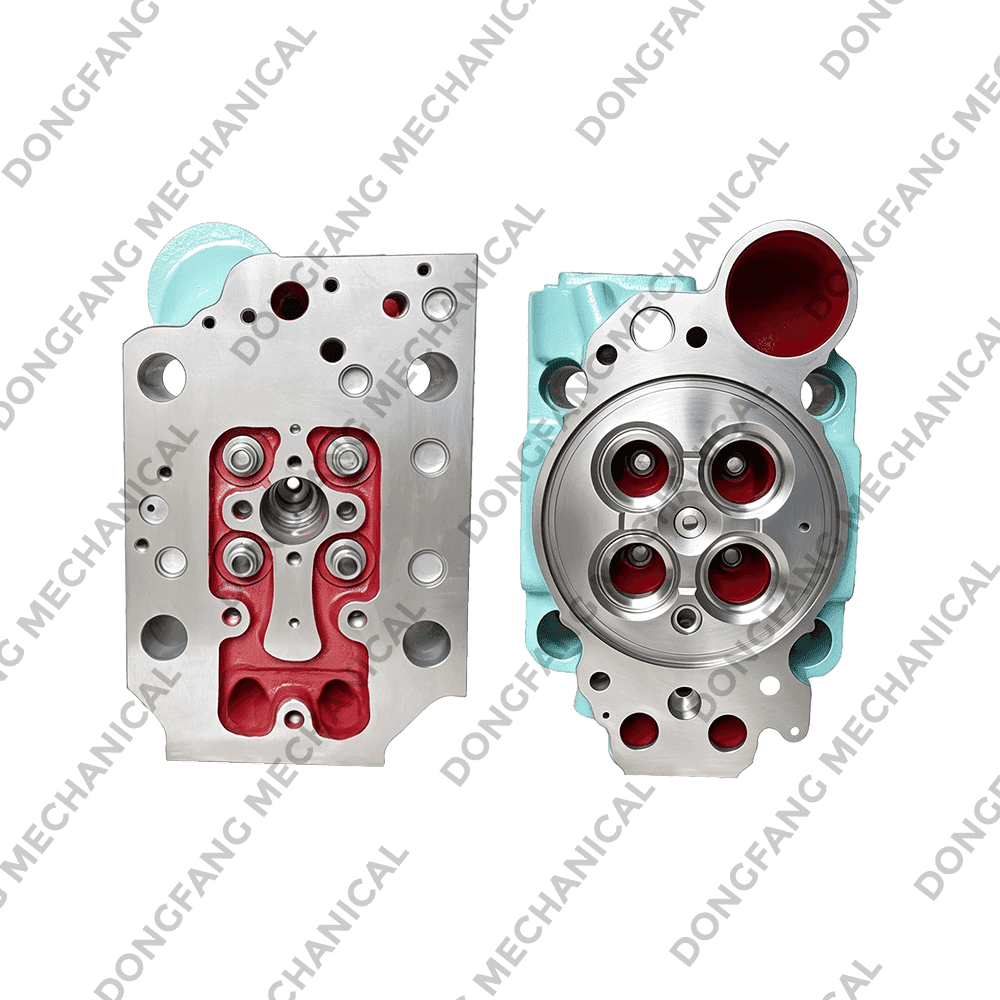
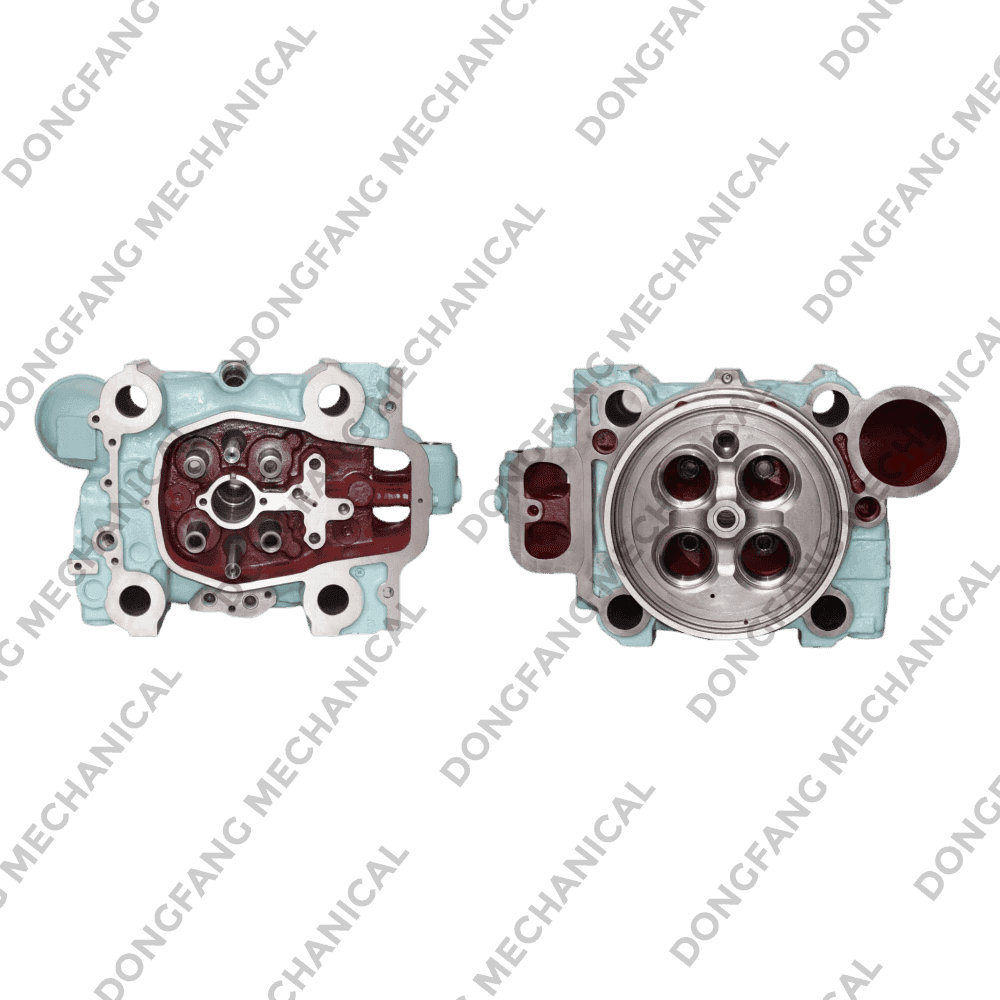
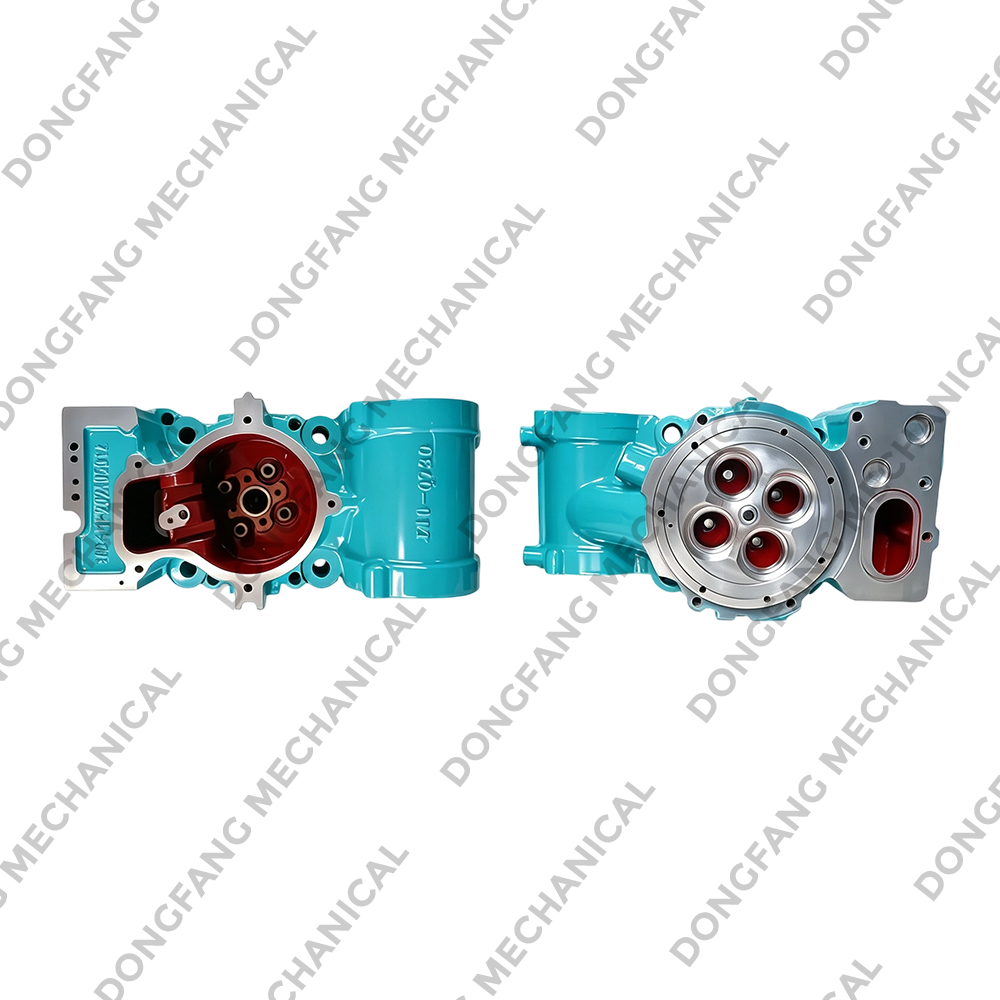
The cylinder head governs compression sealing and valve timing accuracy. A precisely machined replacement restores proper compression ratio, which is directly tied to combustion efficiency and power output.
Fuel Injectors
Injector spray pattern and timing accuracy determine how completely fuel burns within the combustion chamber. Replacing worn injectors with correctly calibrated units has been shown in workshop testing to reduce black smoke emissions and improve throttle response.
Turbocharger Components
A turbocharger operating with worn bearings or a damaged compressor wheel delivers less boost pressure, reducing available power especially under heavy load. Replacement components restore designed boost levels.
Cooling System Parts
Engines running hotter than designed operating temperature lose efficiency and risk detonation under load. Properly functioning heat exchangers and water pumps keep combustion temperatures within the optimal range for consistent power delivery.
Performance Comparison Before and After Replacement
The table below reflects general patterns reported by marine workshops comparing engine performance metrics before and after replacing key wear components with precisely manufactured parts.
| Performance Metric | Before Replacement | After Replacement |
| Fuel consumption per hour | Baseline | Reduced by 5 to 10 percent |
| Exhaust smoke under load | Visible dark smoke | Noticeably reduced |
| Boost pressure consistency | Fluctuating under load | Stable within design range |
| Operating temperature | Elevated during sustained load | Within normal design range |
How Precision Manufacturing Translates Into Real Performance
The performance benefit of a replacement part is closely tied to how accurately it matches original engineering tolerances. A cylinder head machined to within original flatness specification maintains even compression across all cylinders, which prevents the uneven power delivery that occurs when one or more cylinders underperform due to compression loss. Similarly, correct valve seat geometry ensures complete valve closure, which is essential for maintaining designed compression ratio and preventing exhaust gas leakage into the intake stroke.
According to general findings from marine engine service technicians, even a small compression variance between cylinders, on the order of 10 percent, can produce noticeable vibration, uneven power delivery, and increased fuel consumption at cruising speed.
Step by Step Approach to Restoring Lost Performance
- Conduct a compression test across all cylinders to identify uneven readings
- Inspect injector spray pattern and replace units showing wear or inconsistent delivery
- Check turbocharger boost pressure against manufacturer specification
- Replace the cylinder head or related components if compression loss is traced to the sealing surface
- Verify cooling system components maintain rated flow and temperature
- Record fuel consumption and exhaust readings after replacement to confirm improvement
Practical Example From Commercial Vessel Operation
A commercial vessel operator running twin MAN marine diesel engines reported persistent uneven power delivery and elevated fuel consumption during long haul operation. After a compression test identified reduced sealing on one cylinder head, the operator replaced the affected component with a precisely manufactured cylinder head matched to original specification. Following the replacement and a proper break in period, the operator recorded a fuel consumption improvement of approximately 7 percent at typical cruising load, along with more balanced engine vibration readings across both engines during subsequent maintenance checks.
Where Dongfang Cylinder Head Components Support Performance Goals
Replacement Spare Parts Compatible with MAN Marine Diesel Engines manufactured to original dimensional and material specification are designed to restore the precise compression sealing and valve geometry needed for consistent performance. A cylinder head machined with accurate valve seat placement and verified gasket surface flatness helps ensure that replacement work translates into a measurable performance benefit rather than simply restoring baseline function. For operators focused on fuel efficiency and consistent power delivery, sourcing components with documented manufacturing precision is a practical way to support these performance goals.
Common Signs Performance Has Declined
- Noticeable increase in fuel consumption at the same cruising speed
- Dark exhaust smoke that appears more frequently under load
- Reduced top speed or slower acceleration response
- Uneven vibration felt through the hull during steady cruising
- Inconsistent boost pressure readings shown on the gauge
Recognizing these signs early allows targeted component replacement before performance loss becomes severe enough to affect reliability.
Balancing Performance Gains With Maintenance Discipline
Replacement parts can only deliver their full performance benefit when paired with correct installation and ongoing maintenance. A precisely manufactured cylinder head installed without following the specified torque sequence, for example, can develop uneven sealing that undermines the very performance gain the new part was meant to provide. Similarly, injectors calibrated for optimal spray pattern will drift out of specification again if fuel filtration and fuel quality are not maintained. Treating part replacement and maintenance discipline as a combined strategy produces the most consistent long term performance results.
Final Thoughts
Replacement parts improve MAN marine diesel engine performance by restoring the precise tolerances, sealing, and material properties that naturally degrade with use. Engines fitted with correctly specified components have demonstrated measurable gains in fuel efficiency, more stable boost pressure, and reduced exhaust smoke compared to engines running worn or mismatched parts. Achieving these benefits consistently depends on selecting components manufactured to original specification and pairing the replacement with correct installation and ongoing maintenance practice.