عربى
عربى 
Content
- 1 The Docking Tools a Cargo Vessel Actually Needs
- 2 How Animation Makes Docking Training and Maintenance Services More Reliable
- 3 Maintenance Services That Keep Docking Equipment and Engines Ready
- 4 Choosing Replacement Cylinder Heads for Cargo Vessel Engines
- 5 A Practical Maintenance Plan for Docking Tools and Engine Parts
A cargo vessel is ten minutes from the berth. The chief engineer has already confirmed the main engine telegraph responds, the mooring stations report lines and stoppers ready, and the deck crew reviews the berthing sequence one more time on a tablet. This is what cargo boat docking really looks like: it is a deck operation, an engine-room task, and a training exercise all at once. The best cargo boat docking tools for animation and maintenance services are therefore not a single gadget. They are a combination of reliable deck hardware, animated training material, and a maintenance plan that keeps both the mooring equipment and the propulsion system fit for every approach.
The Docking Tools a Cargo Vessel Actually Needs
A cargo ship carries far more momentum than a leisure boat, so its docking tools must handle high line loads, heavy weather, and repeated contact with bollards. When choosing tools, the working load limit, abrasion resistance, and ease of operation by a small crew matter more than price alone. The list below covers the equipment that should be checked before every arrival, and the table summarizes the most common failures.
| Tool | Main job during docking | Pre-arrival check | Common failure |
|---|---|---|---|
| Mooring lines | Hold the hull against the berth | Splices, chafe points, elasticity | Broken strands |
| Heaving lines | Pass the first messenger ashore | Weight, knot, coil condition | Tangled or short throw |
| Boat hooks | Grab floating lines and fenders | Shaft, hook tip, grip surface | Bent hook or loose head |
| Line stoppers | Hold a tight line during transfer | Jaws, hinge, locking pin | Slipping under heavy load |
| Fenders | Absorb contact energy | Cover wear, air pressure | Burst cover or leaking bladder |
| Winch controls | Heave or pay out lines smoothly | Brake torque, clutch, limit switch | Brake slip or failed switch |
Each vessel class has its own mooring plan, but the selection logic is the same. Mooring lines must match the design bollard pull of the winches, with a breaking load that leaves a comfortable safety margin. Stoppers should be rated for the full breaking load of the line they are meant to hold. Boat hooks need to be long enough to reach a floating eye from the main deck without leaning over the side. If any of these tools fails during a berthing maneuver, the next result is usually damage to the hull, the berth, or the crew.
Procurement risk is another reason to be specific. A cheap mooring line that feels stiff and rough after three months is more dangerous than a properly selected one that costs more upfront. The buyer should confirm the material type, the splice quality, and the test certificate before accepting delivery. The same logic applies to winch spare parts: a brake lining that works on paper but fails during a spring line surge is not a bargain.
How Animation Makes Docking Training and Maintenance Services More Reliable
Animation is no longer reserved for marketing videos. In modern crew operations, animated sequences show the exact order of events during docking: where to place the stopper, when to slack the stern line, and how the winch brake should behave during a sudden surge. These animated procedures are easier to remember than a page of text, and they work well for crews that speak different languages or join the vessel at short notice.
- Animated berthing sequences cover the order of running lines, from the first heaving line to the final spring line.
- 3D views of the winch, clutch, and brake assemblies help technicians understand the mechanism before opening the casing.
- Snapback animations show the dangerous zones around a tensioned line and explain why crew members must stand clear.
- Animated maintenance timelines highlight when each inspection step should be performed and what a worn component looks like.
Maintenance services benefit from the same approach. A short animation that shows how to measure brake band thickness or how to inspect a cylinder head for cracks can replace a full day of classroom training. It also reduces skipped steps, because the visual sequence forces a technician to follow the same order every time. For superintendents, these animations serve as a simple audit tool: they can compare the crew action against the animated reference and issue corrective guidance without waiting for the next port call.
Maintenance Services That Keep Docking Equipment and Engines Ready
Docking tools wear out. Mooring lines lose strength through chafe and ultraviolet exposure. Winch brakes lose torque. Fenders lose air pressure. A proper maintenance services plan should therefore include monthly checks of every item in the docking tool table, plus a written record of when each line was turned end for end or retired from service.
The deck is only half of the story. A cargo vessel positions itself with propellers and thrusters, and these systems are only as reliable as the engine parts that drive them. After years of thermal cycling, a cylinder head can develop cracks between valve seats or in the cooling water passages. If a head fails while the vessel is trying to hold position against a strong current, the crew loses engine response at the worst possible moment. This is why engine-room maintenance belongs in the same calendar as deck gear inspection. Checking valve clearances, cooling water pressure, and the general condition of the cylinder head is not optional for vessels that dock frequently.
In practical terms, the maintenance team should verify the torque of winch brake adjusting nuts, test the remote emergency stop of each winch, and measure the air pressure of every fender before departure. On the engine side, the same weekly visit should confirm that the starting air system is dry, the fuel rack moves freely, and the cooling water system holds pressure. These checks take minutes but they protect the vessel during the most demanding part of the voyage, which is the final approach to the berth.
Choosing Replacement Cylinder Heads for Cargo Vessel Engines
When an inspection reveals a cracked head, a corroded fire deck, or a worn valve seat, the replacement decision comes down to material quality, machining accuracy, and delivery time. The head must match the original cooling passage layout, valve seat angle, and fire deck thickness within the tolerances specified by the engine designer. A head that is only close is not good enough for a vessel that needs full engine output during docking maneuvers.
Many operators choose compatible replacement parts from specialist manufacturers instead of ordering from the original engine builder. This is an accepted practice in the marine spares market, because compatible heads are usually available faster and at a more predictable cost. The key is to verify the supplier manufacturing experience, the inspection procedure, and the quality control behind each casting. Before ordering, compare the part number with the original, measure the critical dimensions, and ask for the material certificate and pressure test report.
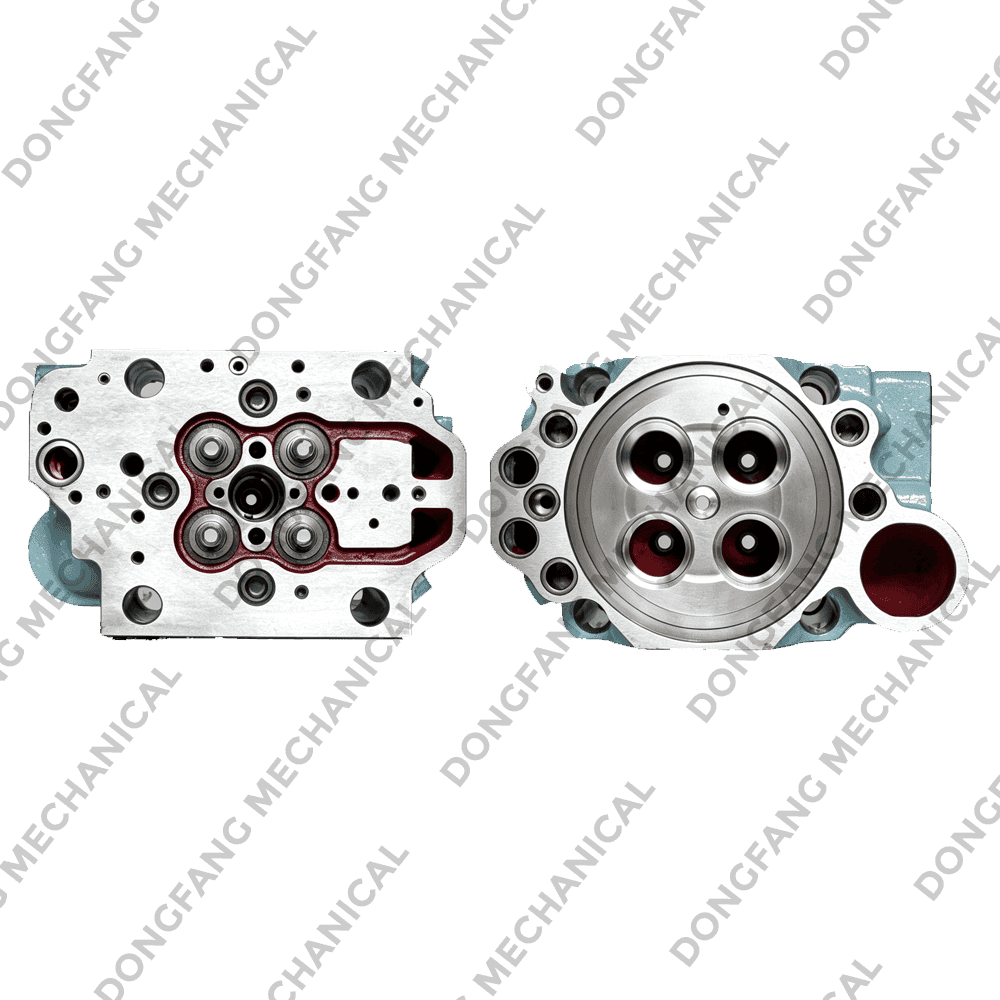
For MAN main engines, the replacement head must cope with high combustion pressure and repeated thermal load. A compatible MAN head should carry the same cooling bore layout and valve seat geometry, so the engine keeps its rated output and balanced exhaust temperatures during maneuvering.
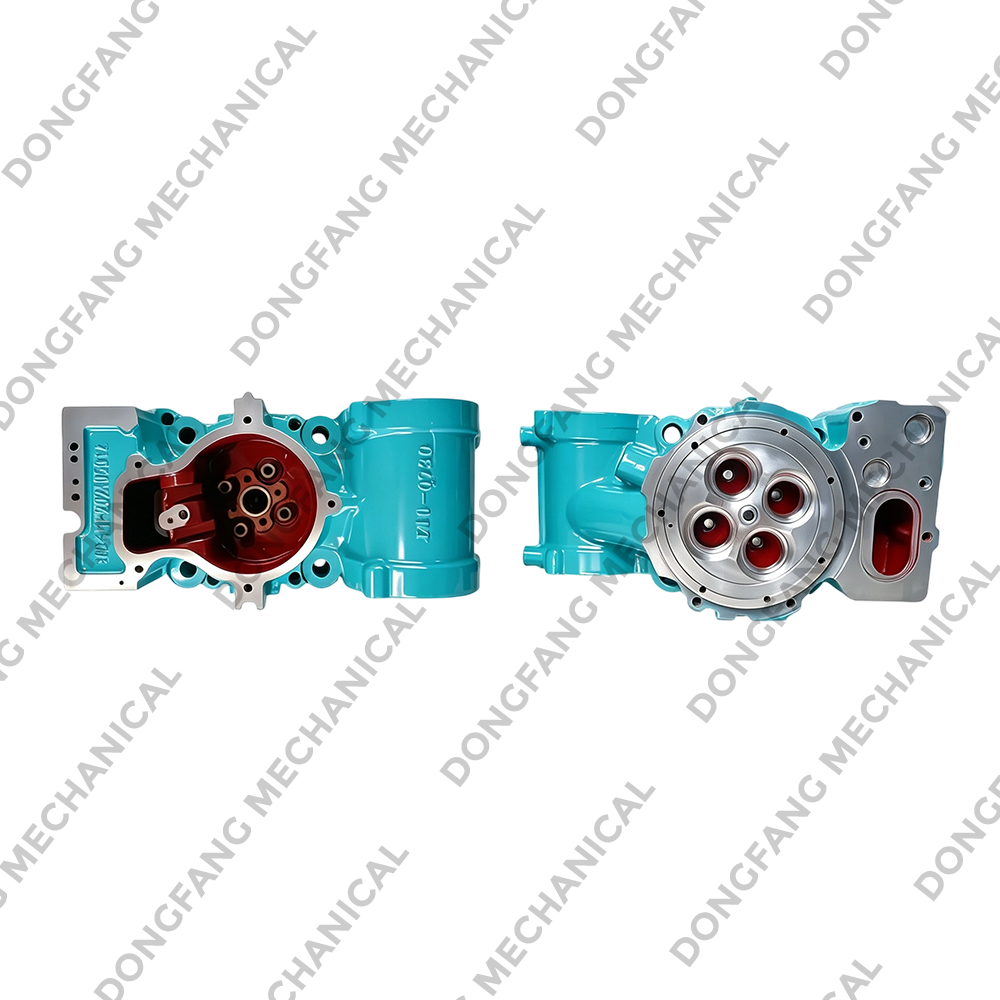 Replacement Cylinder Head for MAN Marine Diesel EnginesThis cylinder head is compatible with MAN L16/24, L23/30, L28/32A, and other listed models. It is precision-cast and CNC-machined to maintain cooling bore layout and valve seat geometry, supporting rated output and balanced exhaust temperatures during maneuvering.View Product →
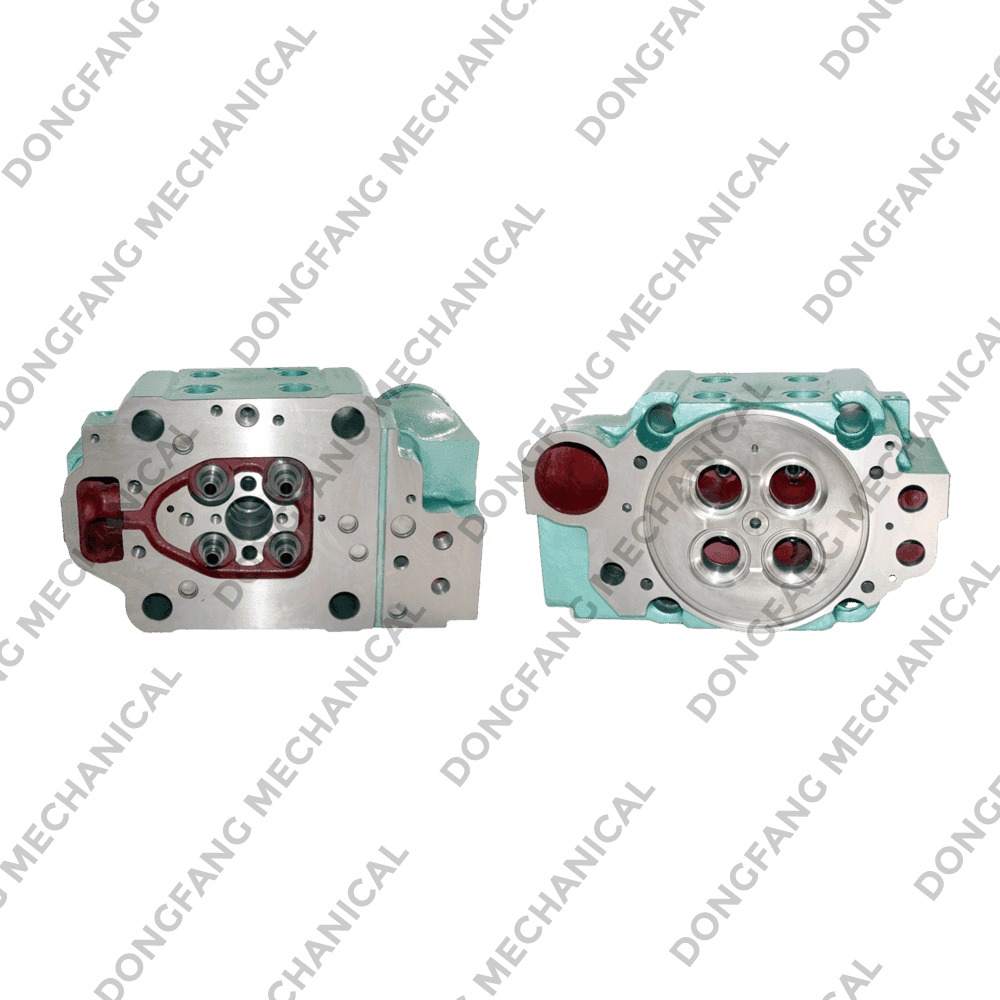
Wartsila engines are common on general cargo vessels and container feeders, where the same head serves long ocean voyages and frequent port calls. The main risk is rapid temperature change during maneuvering, so the replacement head should have clean cooling passages and properly radiused transitions inside the water jacket to avoid stress concentration.
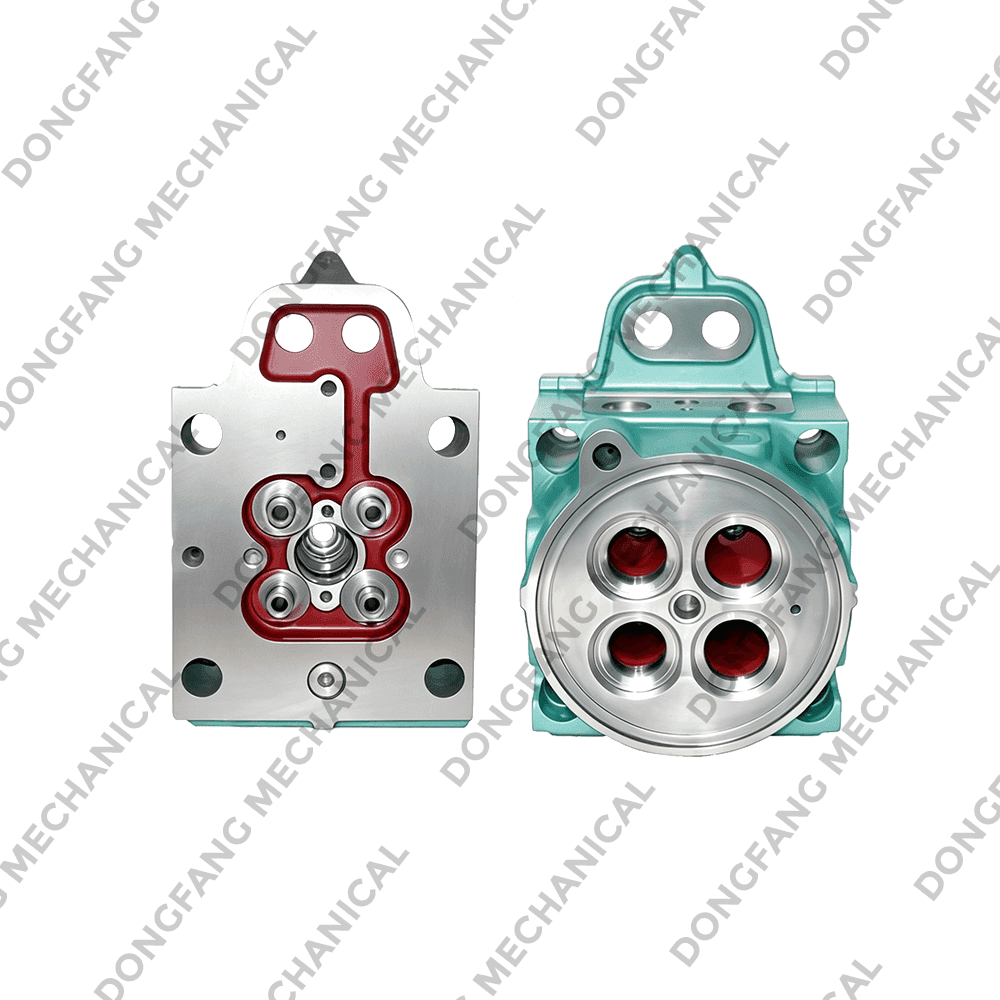 Compatible Cylinder Head for Wartsila Marine Diesel EnginesDesigned for Wartsila R20, L20, R22, R25, and R32 engines, this replacement head features clean cooling passages and radiused transitions in the water jacket to withstand rapid temperature changes during port maneuvering and frequent calls.View Product →
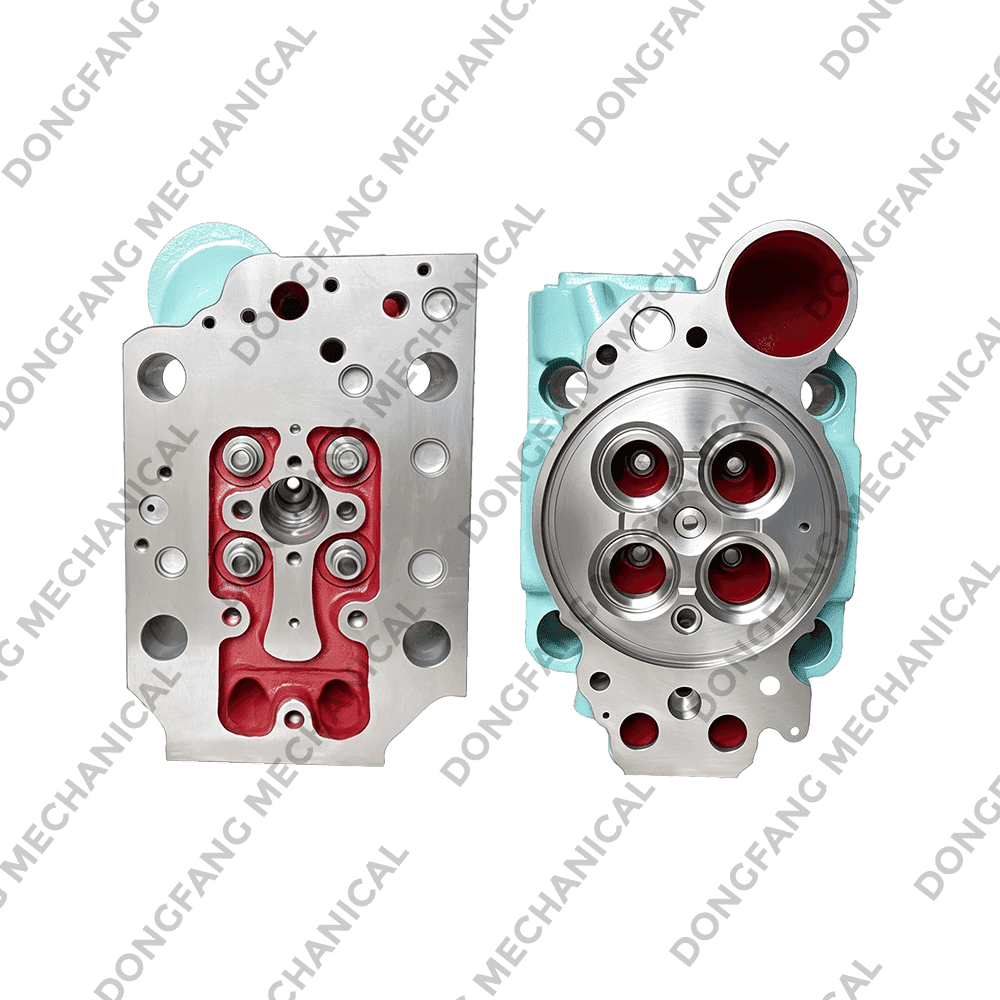
Daihatsu auxiliary engines often appear as generator drives on cargo ships. If an auxiliary head fails, the vessel may lose electrical power for winches and thrusters at the moment they are needed most. Keeping a spare compatible Daihatsu head on board makes sense for any cargo fleet with a tight port schedule, especially when the vessel operates in ports without local machining support.
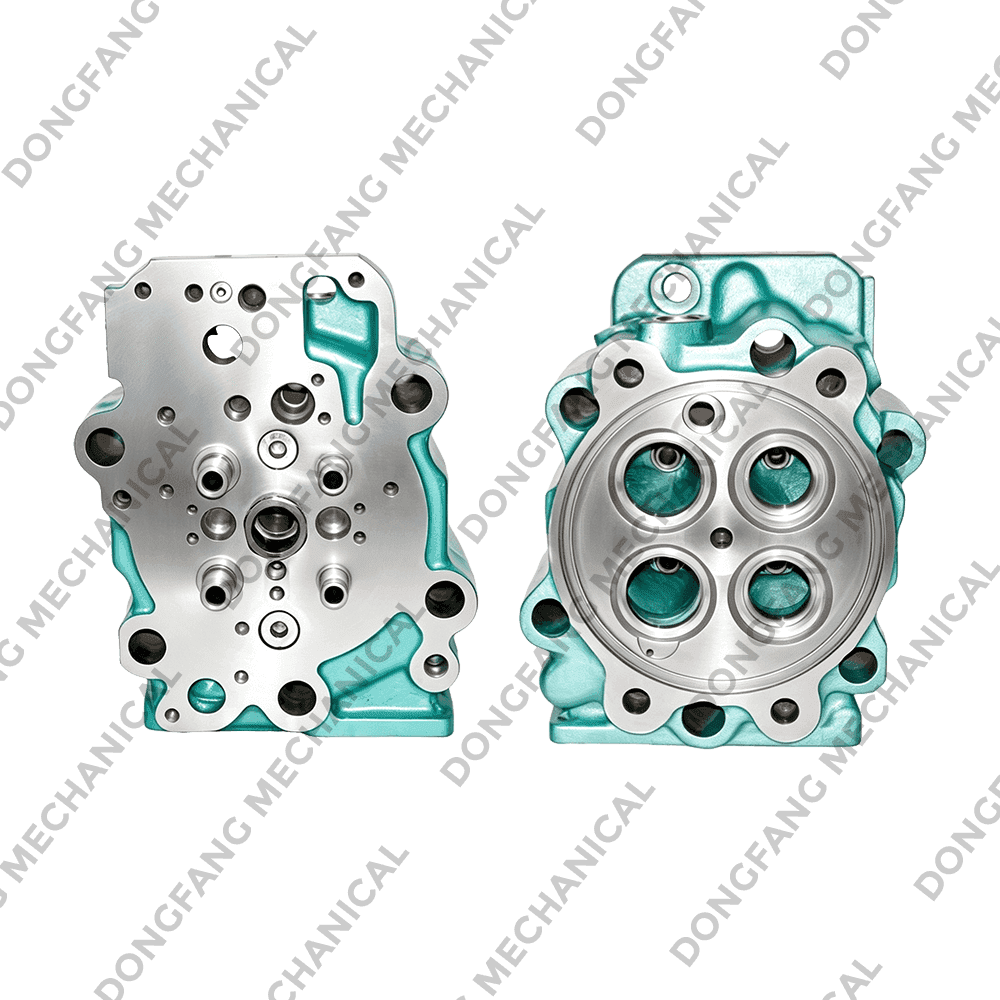 Daihatsu Marine Diesel Engine Cylinder Head Spare PartThis aftermarket cylinder head fits Daihatsu models such as DL-20, DL-22, DL-26, and 6DK-20. Manufactured with precision casting and CNC machining, it serves as a reliable onboard spare for auxiliary engines powering winches and thrusters in port.View Product →
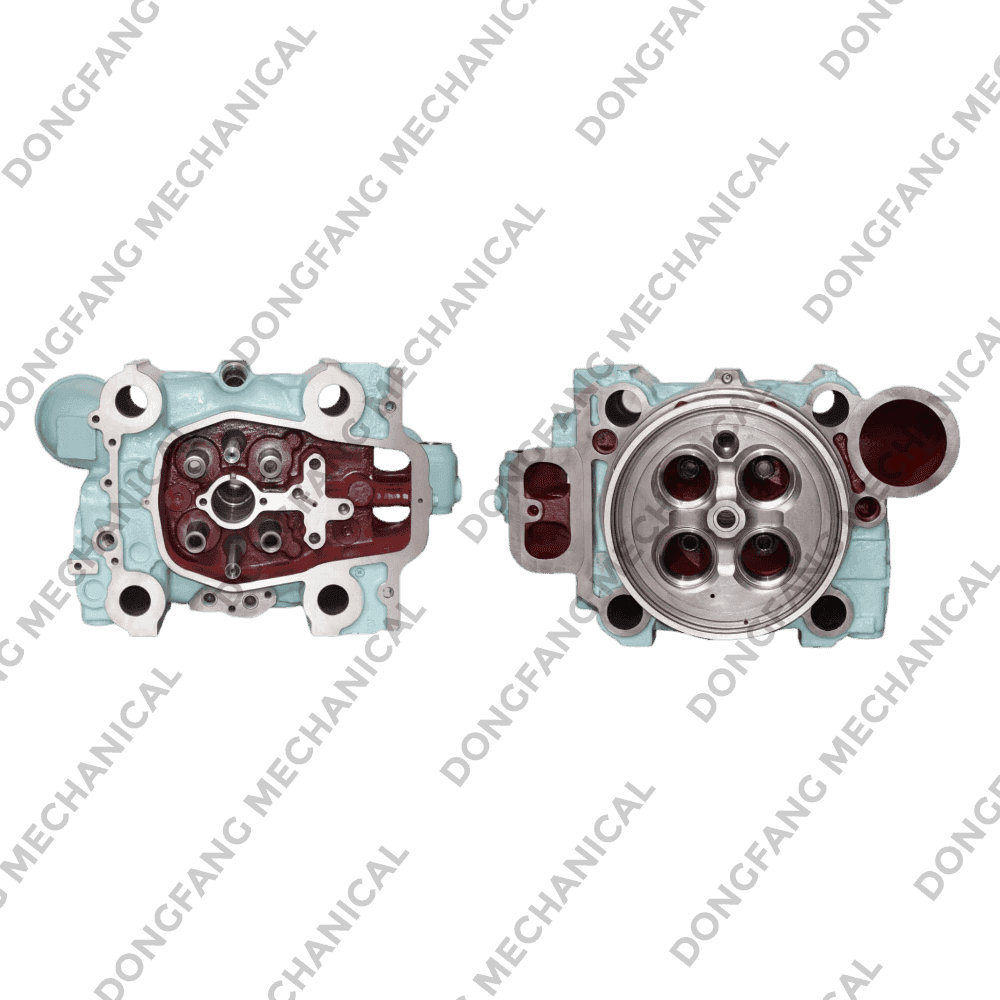
Suppliers such as Zhoushan Putuo Dongfang Machinery Co. Ltd. have built replacement cylinder heads for marine diesel engines for more than two decades. Their catalog covers major engine brands, and because the company also handles imports, it can support vessels that need a head delivered quickly to a foreign port. A shortlist of engines covered by the range is available in the product catalog.
A Practical Maintenance Plan for Docking Tools and Engine Parts
An effective plan connects deck equipment, crew training, and engine spares into one schedule. It has to be simple enough to follow on a working vessel, but complete enough to catch the failures that cause delays and damage. The steps below are a practical starting point for any cargo ship operator.
- Inventory all mooring lines, fenders, boat hooks, stoppers, and winch controls before the start of each operating season.
- Produce or source animated training material for the berthing sequence and for each piece of docking equipment.
- Schedule monthly checks of line condition, brake torque, and limit switches, and record the results in the maintenance log.
- Include cylinder head inspection in the engine maintenance calendar, with valve clearance and cooling water checks at every major service.
- Keep one replacement cylinder head per engine type in the onboard spares locker, including heads for auxiliary engines.
- Review every docking incident after arrival and update the animated procedures with the lessons learned.
When the deck gear is maintained, the crew is trained with animation, and the engine parts that provide docking power are quality replacement heads, a cargo vessel can approach the berth with confidence, even in strong wind and current. The tools do not work alone; they work as a system, and a maintenance-driven approach keeps that system ready.