عربى
عربى 
Content
Ask any chief engineer what keeps a ship alive when the vessel is not moving, and the answer comes back quickly: the auxiliary engine. A vessel that loses auxiliary power can lose steering, cargo cooling, deck machinery, and basic lighting. The main engine may be in perfect condition, but the ship remains effectively paralyzed without its electrical supply.
This guide explains what an auxiliary engine is, how it differs from the propulsion engine, which systems depend on it, and what to inspect when buying replacement parts such as cylinder heads for auxiliary diesel gensets.
What Is an Auxiliary Engine?
An auxiliary engine is a non-propulsion engine that drives a generator or other shipboard machinery. On most merchant vessels, an auxiliary engine is a four-stroke diesel engine coupled to an alternator. The combination, often called a diesel generator set, produces the electrical power for the ship's distribution network. The engine typically runs at 1500 rpm for a 50 Hz electrical supply or 1800 rpm for a 60 Hz supply.
Some auxiliary engines also drive hydraulic pumps, fire pumps, cargo pumps, or emergency systems. In older installations, they might directly drive deck machinery. In modern designs, the principal role remains the same: converting fuel into electrical energy whenever the main engine cannot handle the electrical load.
Auxiliary engines are not limited to cargo ships. Fishing vessels use them for lighting, fish finding, and refrigerated holds. Offshore vessels use them for dynamic positioning. Harbor tugs use them for pumps and winches. Even inland barges with a propulsion diesel use a small auxiliary engine to charge batteries and run navigation lights.
Auxiliary Engine vs Main Engine: Key Differences
Many ship operators use the terms main engine and auxiliary engine without comparing their design logic. The comparison matters because the two engines wear differently, run at different speeds, and need different spare parts strategies.
| Aspect | Main Engine | Auxiliary Engine |
|---|---|---|
| Primary duty | Drives the propeller | Drives a generator or service machinery |
| Typical speed | 70 to 120 rpm for low-speed two-stroke engines | 750 to 1800 rpm for four-stroke units |
| Typical output | Thousands of kilowatts | Tens to a few hundred kilowatts per unit |
| Operating profile | Continuous during sea passage | Depends on electrical demand, often rotated |
| Fuel type | Often heavy fuel oil | Marine gas oil or heavy fuel oil |
| Engine design | Crosshead, low speed | Trunk piston, medium to high speed |
Auxiliary engines experience frequent load changes. When the ship is in port, hotel loads can be low at night and high during cargo operations. The engine speed stays constant, but the fuel rack adjusts to maintain electrical frequency. Over years of service, this pattern produces thermal cycling that affects the cylinder head, valves, and turbocharger.
The power difference is also reflected in the spare parts market. A replacement cylinder head for an auxiliary engine is smaller and lighter than the head of a low-speed main engine, but it runs at a much higher speed and therefore goes through combustion cycles at a much faster rate. Wear in valve seats and injector bores develops sooner than many operators expect.
What Does the Auxiliary Engine Power Onboard?
The auxiliary engine feeds nearly every electrical consumer on the ship. A partial list includes:
- Navigation and communication systems, including radar, ECDIS, and radio equipment
- Cargo handling equipment, including cranes, cargo pumps, and reefer containers
- Ballast water and bilge systems
- Deck machinery such as windlasses and mooring winches
- Air conditioning, ventilation, lighting, and domestic loads
- Fire-fighting pumps and emergency lighting through the emergency switchboard
Because the list covers nearly every vessel function, an auxiliary engine failure can become a commercial and safety issue. That is why most ships carry multiple auxiliary engines and rotate them to balance running hours.
Sizing is worth understanding. The electrical load is calculated for the worst realistic condition, such as cargo operations at night with reefer boxes and partial hold ventilation. The auxiliary engine that looks oversized at sea becomes fully loaded the moment the crew starts using cranes and ballast pumps. Buying a cylinder head or any other part for an auxiliary engine therefore means paying attention to the specific engine model and the maker's rating, not just to the horsepower printed on a nameplate.
Types of Marine Auxiliary Engines
Most auxiliary engines installed today are medium-speed four-stroke diesel engines. They are selected for reliability, fuel economy, and the ability to respond quickly to load steps. A typical ship carries two to four gensets of identical make so engineers can rotate them and overhaul them on a planned schedule.
These engines share a common architecture. They have a bedplate, a cylinder block, individual cylinder heads, pistons with connecting rods, and a camshaft operating the valve gear. In larger vessels, medium-speed units run from about 500 rpm to 1000 rpm, while smaller emergency gensets run at 1500 or 1800 rpm.
Auxiliary gensets are arranged with a generator at the free end and a flywheel at the coupling end. The governor holds the engine speed within a narrow band so that electrical frequency remains stable. Load acceptance is tested by the classification society during commissioning, using specified load steps.
Because auxiliary engines follow the same diesel engine principles as propulsion engines, the same manufacturers that build main engines also dominate auxiliary sets. Replacement cylinder heads must correspond to a specific engine model, bore size, and valve arrangement. A head that fits one model will not fit another even when the displacement is similar.
Auxiliary Engine Maintenance and Common Failure Points
Auxiliary engines accumulate running hours quickly, especially during port stays when reefer containers and cargo cranes demand continuous power. Maintenance that is postponed during sea passage often shows up as a failure in port.
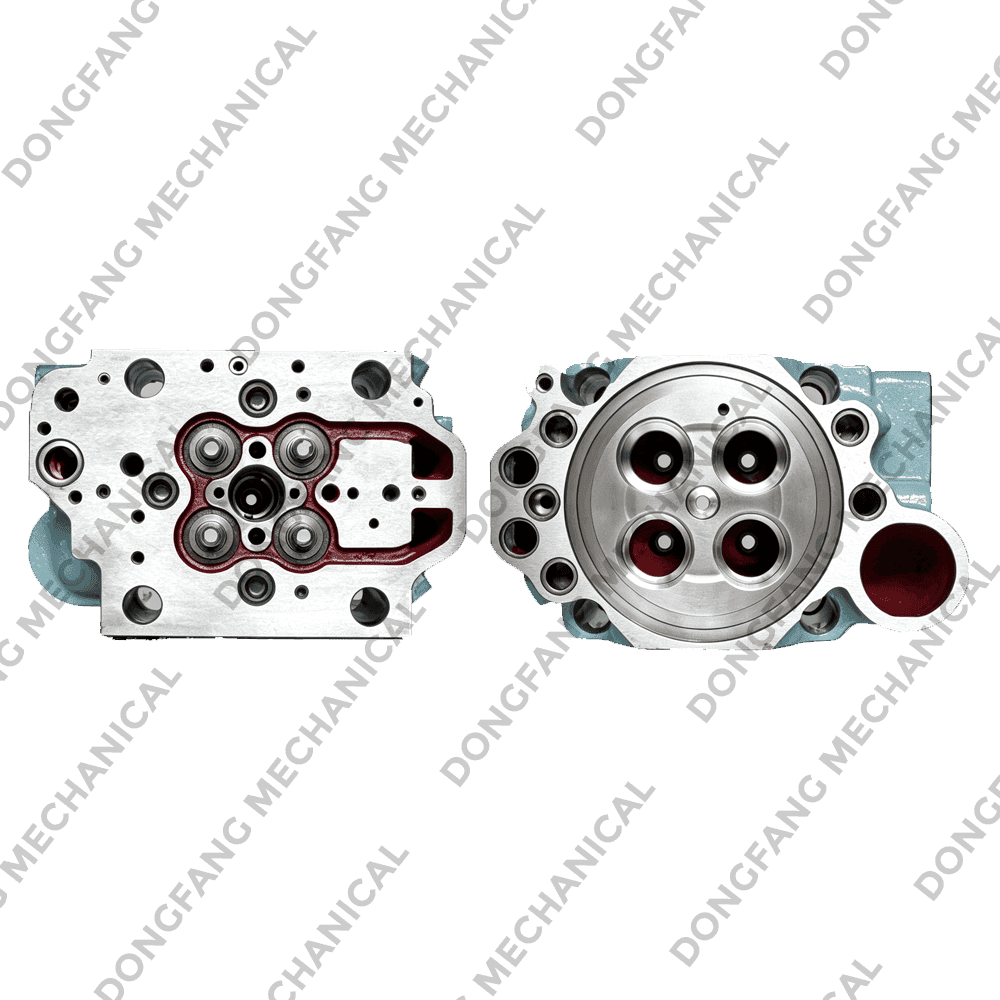
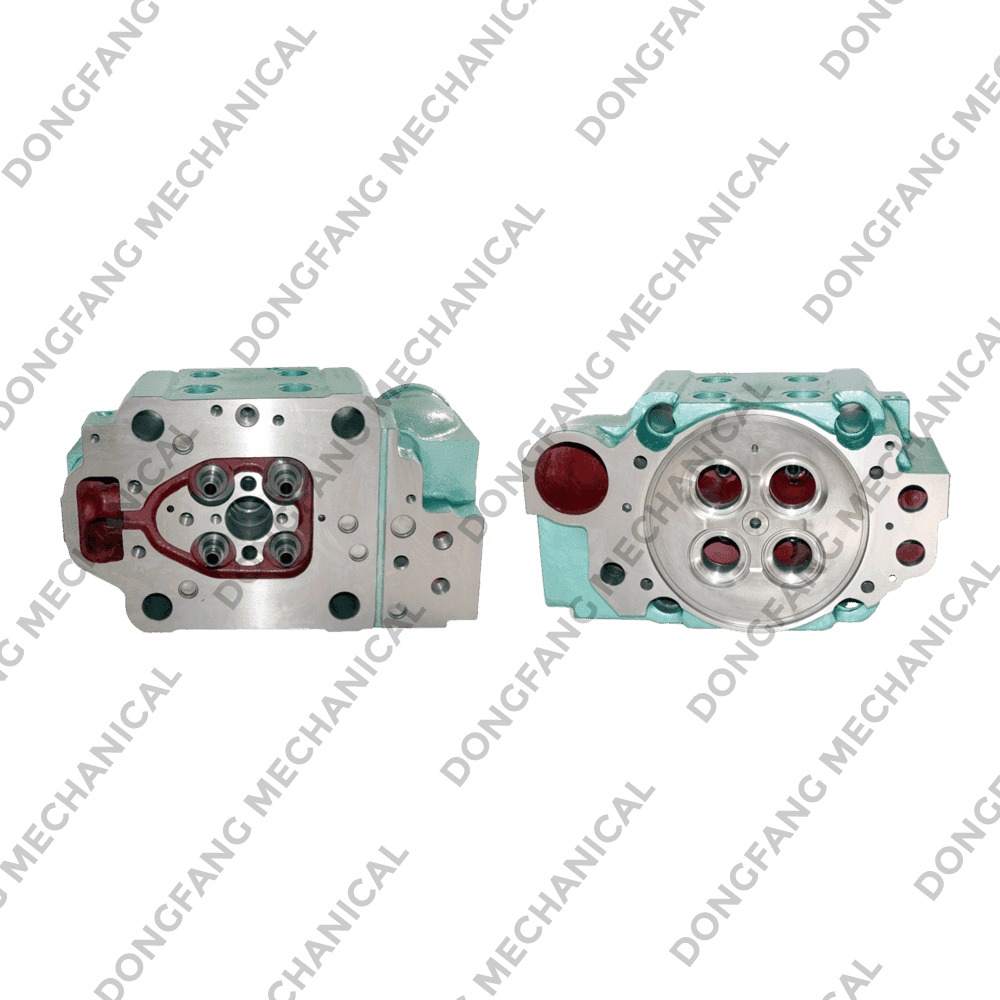
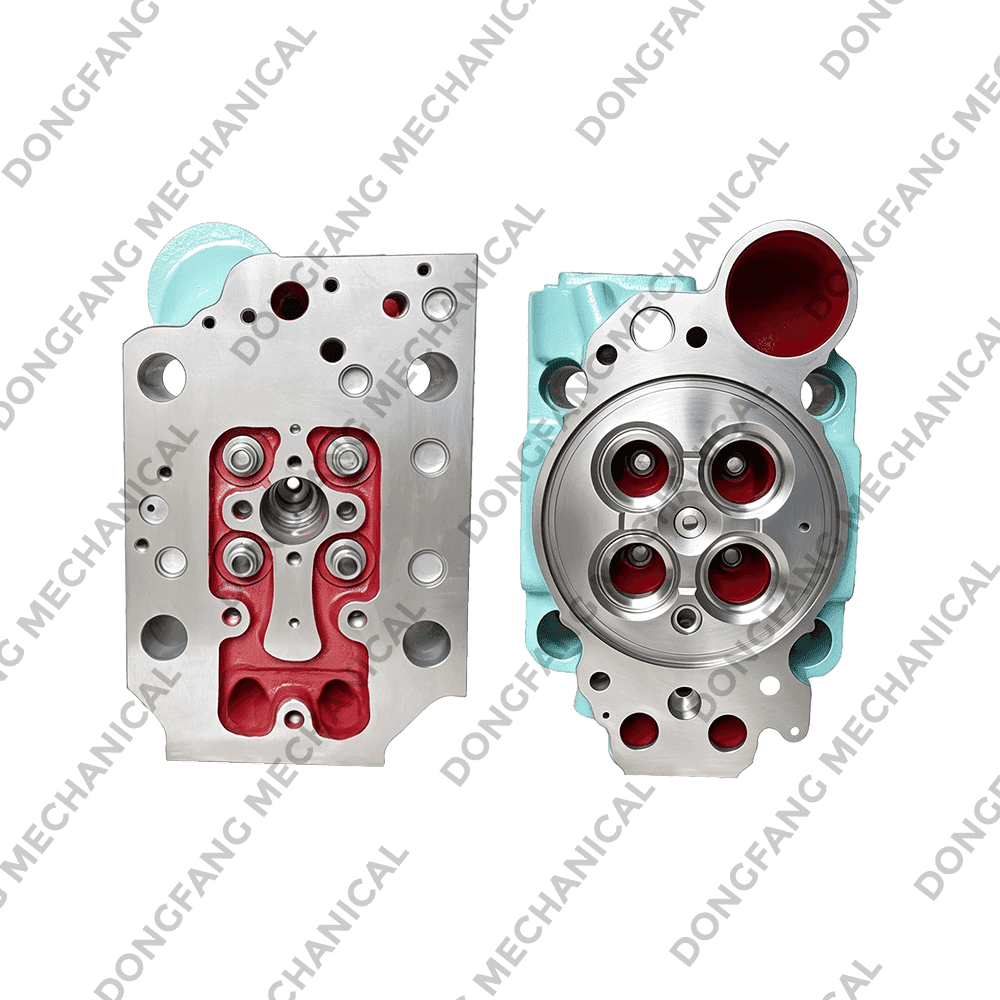
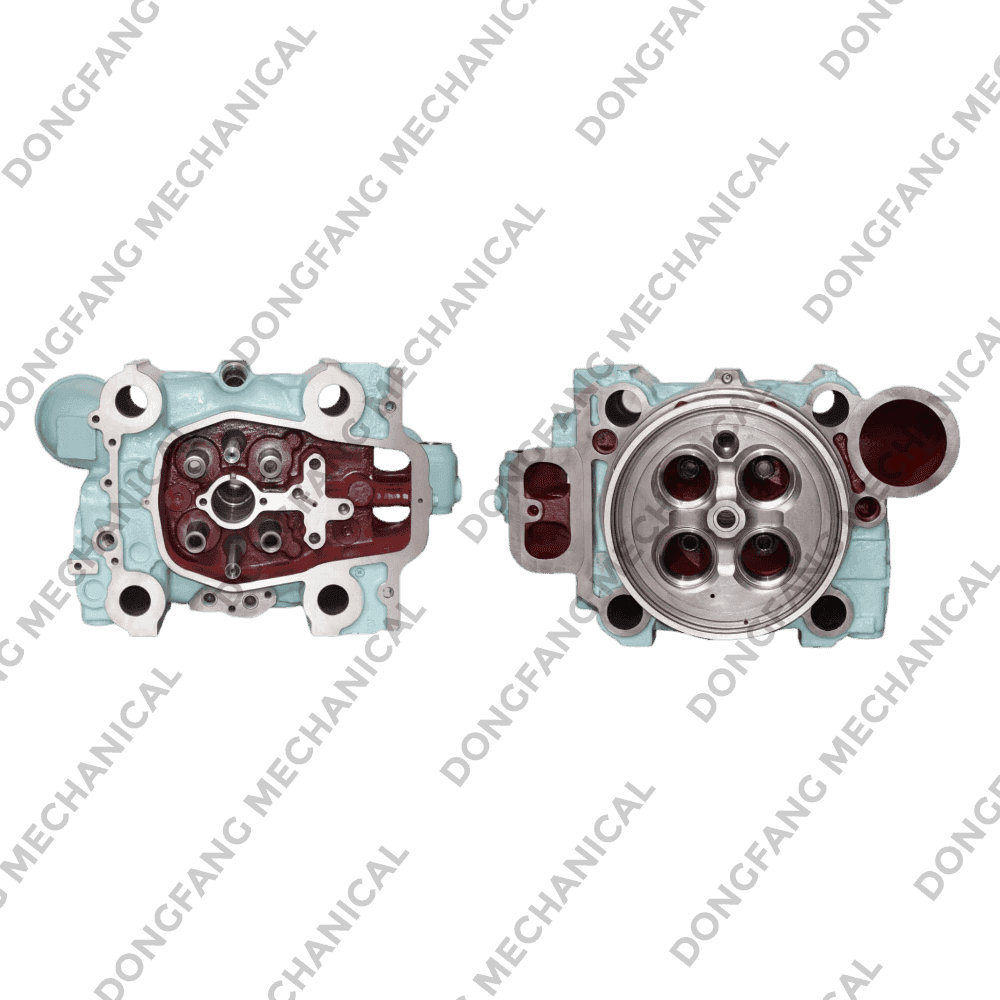
The cylinder head is one of the most stressed parts of an auxiliary engine. It must seal combustion pressure, support the fuel injector, guide the intake and exhaust valves, and remove heat through cooling water passages. Common faults include fire deck cracking, valve seat recession, and fatigue in the sealing face. When a cylinder head fails, the practical response is normally replacement with a new unit rather than repair.
You can understand the design and inspection basics in our article that explains what a cylinder head is.
During an auxiliary engine overhaul, engineers should also inspect valve cages, valve guides, cylinder liners, and piston rings. These components work together. A new cylinder head fitted to a worn liner will still produce high oil consumption and poor compression.
Running hour based maintenance is the standard approach. Most makers specify cylinder head overhaul between 12000 and 24000 hours for medium-speed auxiliary engines, but the actual interval depends on load factor and fuel quality. In practice, many engine rooms pull the head earlier because of high exhaust temperature or increased coolant loss.
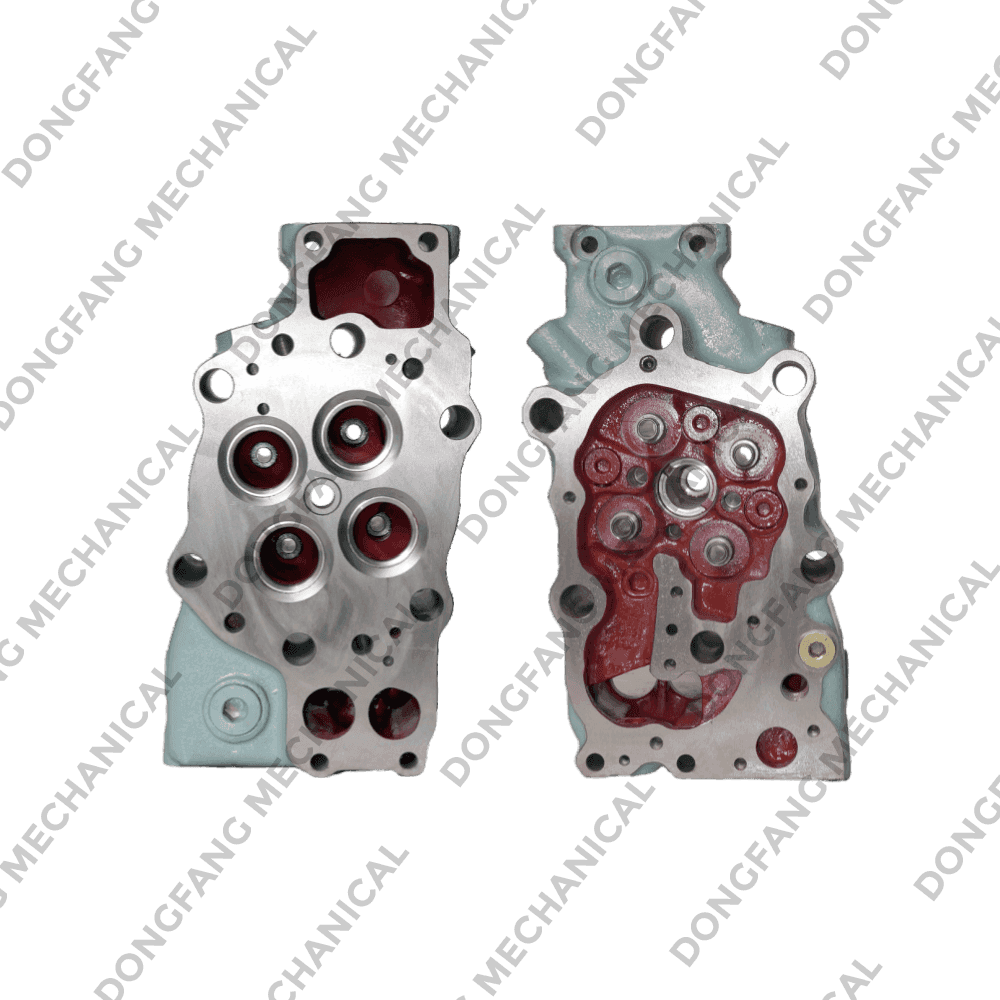 DONGFANG Replacement Cylinder Head for Yanmar Marine Diesel EnginesThis aftermarket cylinder head covers a wide Yanmar model range, including NY, N, EY, S, M, and T series. It suits routine overhauls for fishing boats and workboats, where precise sealing and cooling matter.View Product →
What to Check When Buying a Replacement Cylinder Head
A replacement cylinder head is a precision component, not a generic casting. The machining tolerances on the fire deck and valve seats determine how well the head seals and cools.
Consider these points before ordering:
- Engine model, serial number, and bore size
- Cylinder head material, such as grey cast iron or nodular iron
- Valve seat insert material and valve guide dimensions
- Number of valves and their arrangement
- Cooling water passage layout and outlet position
- Injector hole position and pre-combustion chamber type
- Technical drawing or data confirming the original design
- Delivery package including gaskets, studs, and seals
Buyers should ask for evidence of material grade and machining quality, not just a product photo. It also helps to know whether the supplier keeps the item in stock or machines it after receiving the order.
Procurement risk appears when the part comes from a source that cannot show a material certificate or a dimensional report. A cylinder head with improper valve seat hardness may pass a static inspection but fail after a few hundred running hours. In our supply of cylinder heads for marine diesel engines, we see the same failures repeatedly: cracks at the injector boss, distorted gasket faces, and valve seats that sink under heat.
The product catalog on our site lists cylinder head replacement parts for a wide range of marine diesel engines, including common auxiliary genset models.
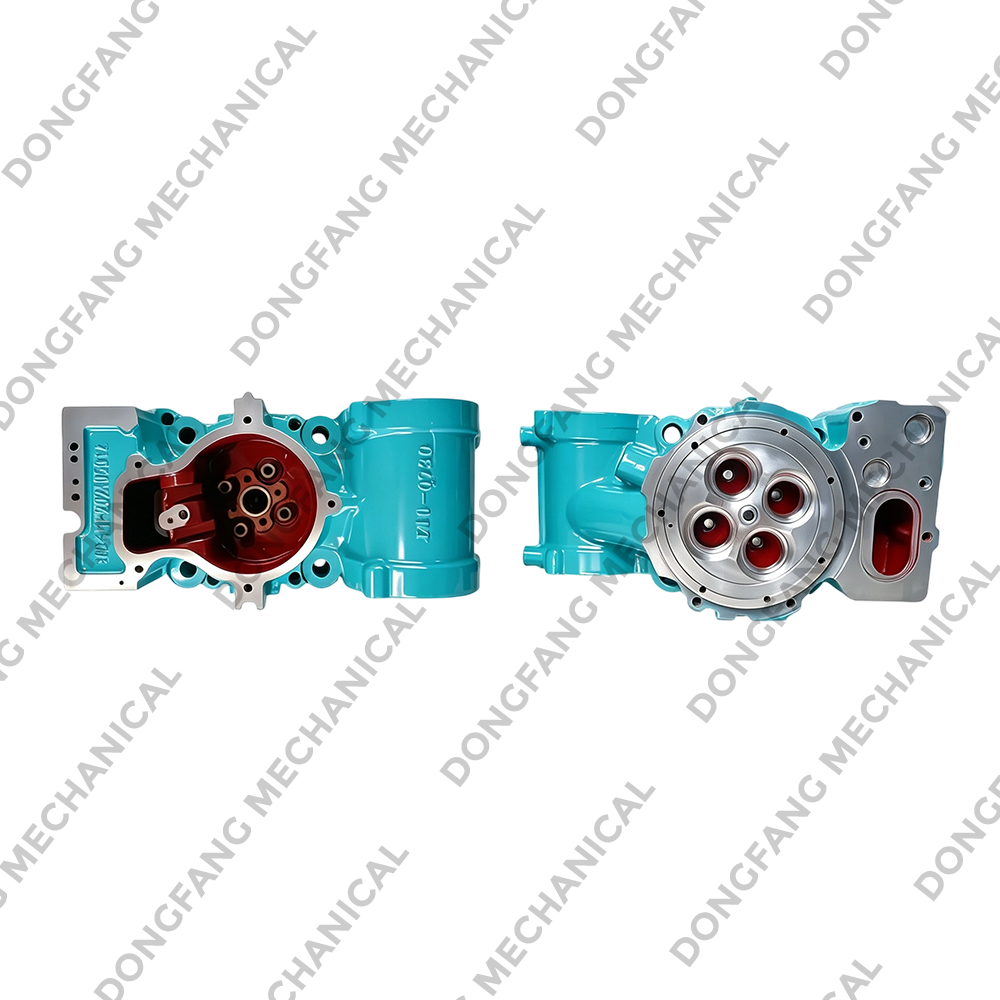 DONGFANG Replacement Cylinder Head for MAN Marine Diesel EnginesDesigned for MAN high-power marine and industrial engines, this cylinder head supports main and auxiliary genset maintenance on ocean-going vessels. Its precision machining and casting help meet demanding thermal and pressure loads.View Product →
Final Thoughts
The auxiliary engine does the work that passengers and cargo handlers never see. It keeps the navigation suite alive, the cranes moving, the reefer plugs cool, and the crew comfortable. A dependable auxiliary engine starts with disciplined maintenance and quality spare parts.
Pay attention to the components that take the most punishment: cylinder heads, valves, injectors, and liners. Use only parts that match the original design and come from a manufacturer that understands marine service conditions. The small effort spent choosing the right cylinder head will save days of downtime later.
If you are looking for a cylinder head for your auxiliary engine, start by confirming the engine maker, model, and bore size. Then compare the part with the original specification before you order. That discipline is what separates a smooth repair from a repeated one.