عربى
عربى 
Content
- 1 Start with the engine identification plate
- 2 Key components that require careful selection
- 3 Why the cylinder head is the most critical part to source correctly
- 4 Material quality and its effect on service life
- 5 Evaluating a supplier before ordering
- 6 Installation steps that protect your investment
- 7 Choosing parts for long-term reliability
Choosing the right Replacement Spare Parts Compatible with Yanmar Marine Diesel Engines comes down to matching four things precisely: the exact engine model and serial number, the original part number, the material and tolerance specification, and a supplier that tests parts against OEM dimensional data. Skipping any one of these steps is the most common reason boat owners install a part that fits loosely, fails prematurely, or causes secondary damage to surrounding components. Marine engines run under continuous vibration, saltwater exposure, and thermal cycling, so even a small tolerance mismatch in a component like a cylinder head or gasket can lead to coolant leaks or compression loss within a short operating period.
Start with the engine identification plate
Every Yanmar marine diesel engine carries an identification plate listing the model number and serial number, usually located on the side of the engine block or valve cover. This information is the starting point for sourcing any replacement part, since Yanmar has produced multiple engine series, such as the 3JH, 4JH, and 6LY families, and parts are rarely interchangeable across series even when they appear visually similar. Recording the full model and serial number before contacting a supplier prevents the most frequent ordering error, which is receiving a part that fits a related but incompatible engine variant.
Cross-referencing part numbers
Once the engine model is confirmed, the original Yanmar part number should be used to cross-reference the equivalent aftermarket part. Reputable suppliers maintain cross-reference charts that map OEM part numbers to their own catalog numbers, which removes ambiguity when multiple part revisions exist for the same engine model over its production run.
Key components that require careful selection
Some components tolerate minor variance better than others. Understanding which parts demand the tightest precision helps prioritize where to spend more on verified quality versus where standard replacement parts are generally sufficient.
| Component | Tolerance sensitivity | Consequence of poor fit |
| Cylinder head | Very high | Compression loss, coolant leaks, warping |
| Fuel injectors | High | Poor combustion, increased fuel consumption |
| Water pump impeller | Moderate | Reduced cooling flow, overheating |
| Gaskets and seals | High | Oil or coolant leakage |
| Belts and hoses | Low to moderate | Premature wear, slippage |
Why the cylinder head is the most critical part to source correctly
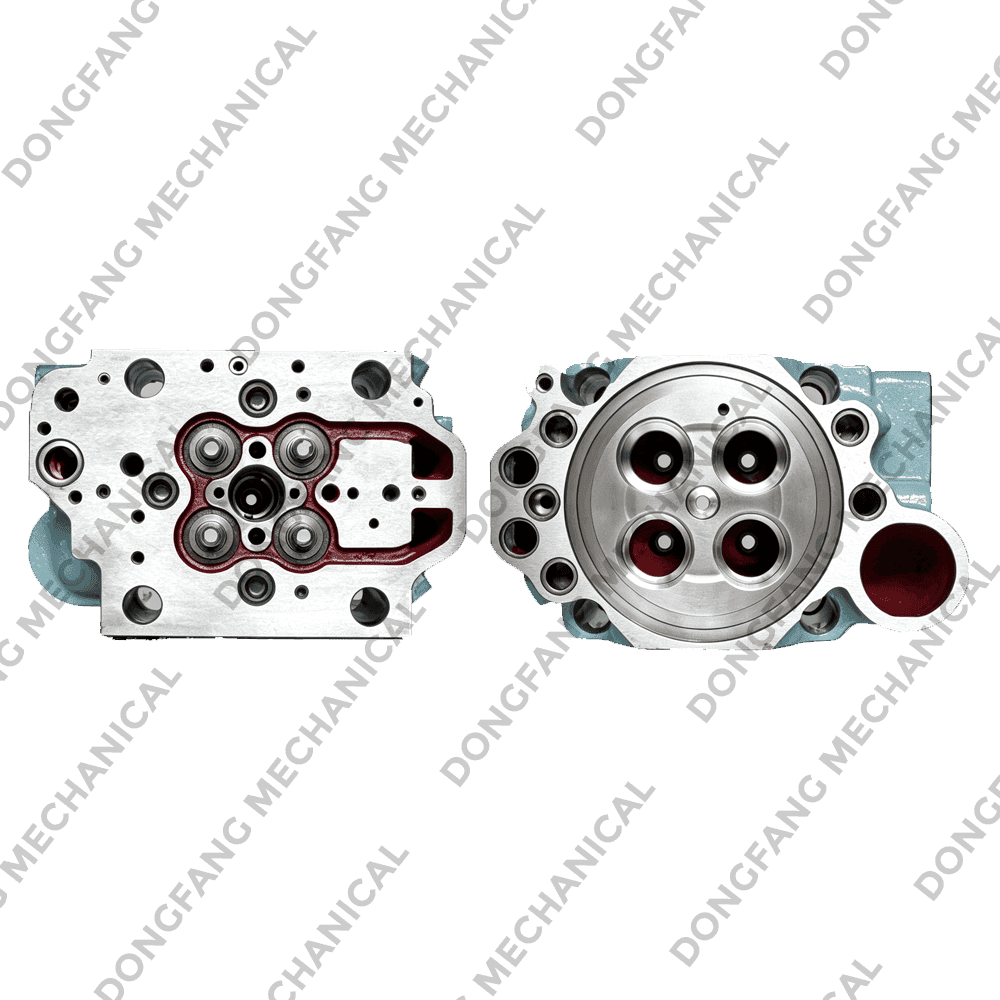
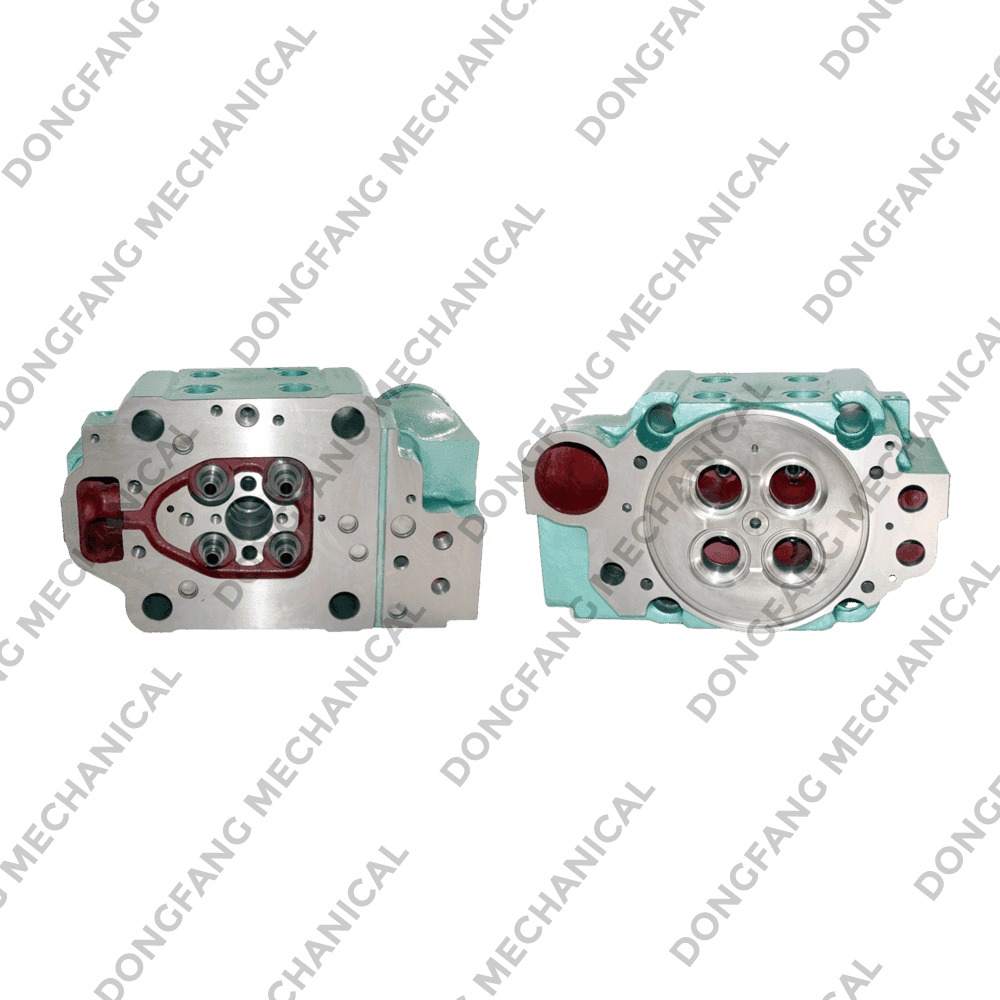
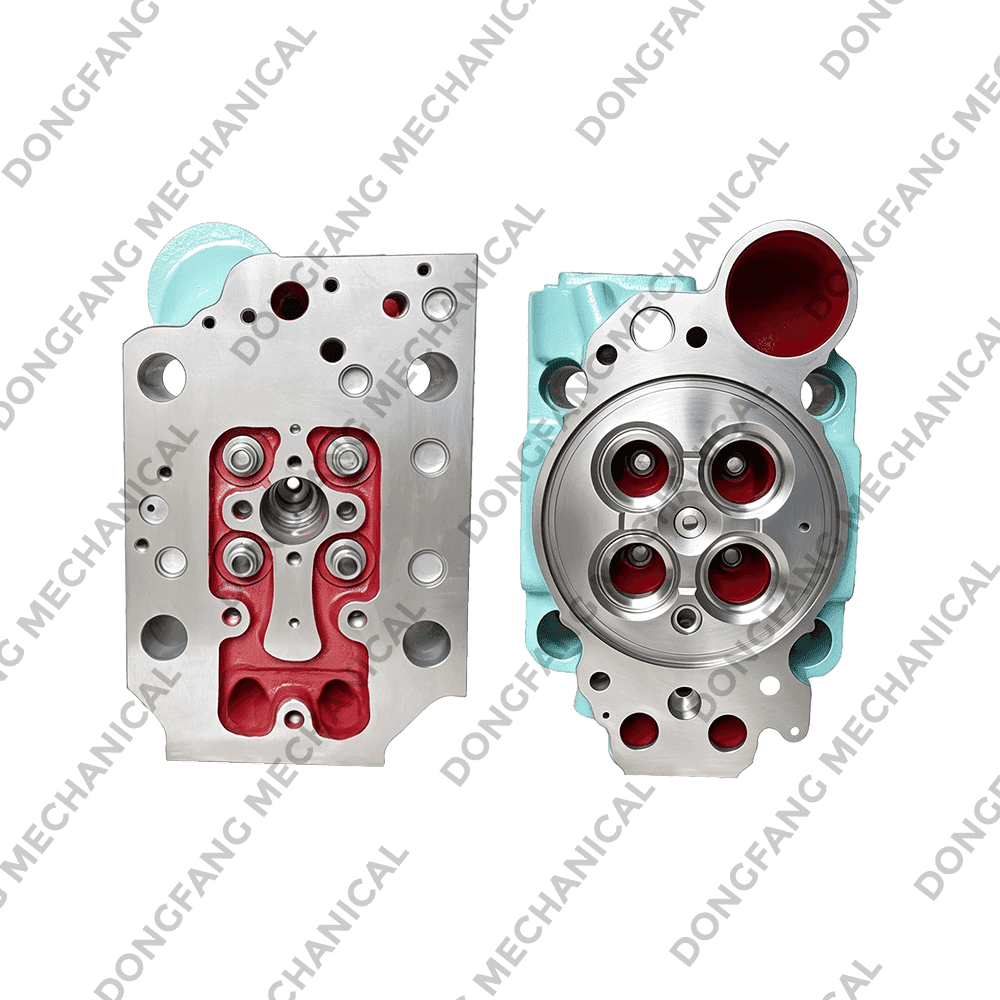
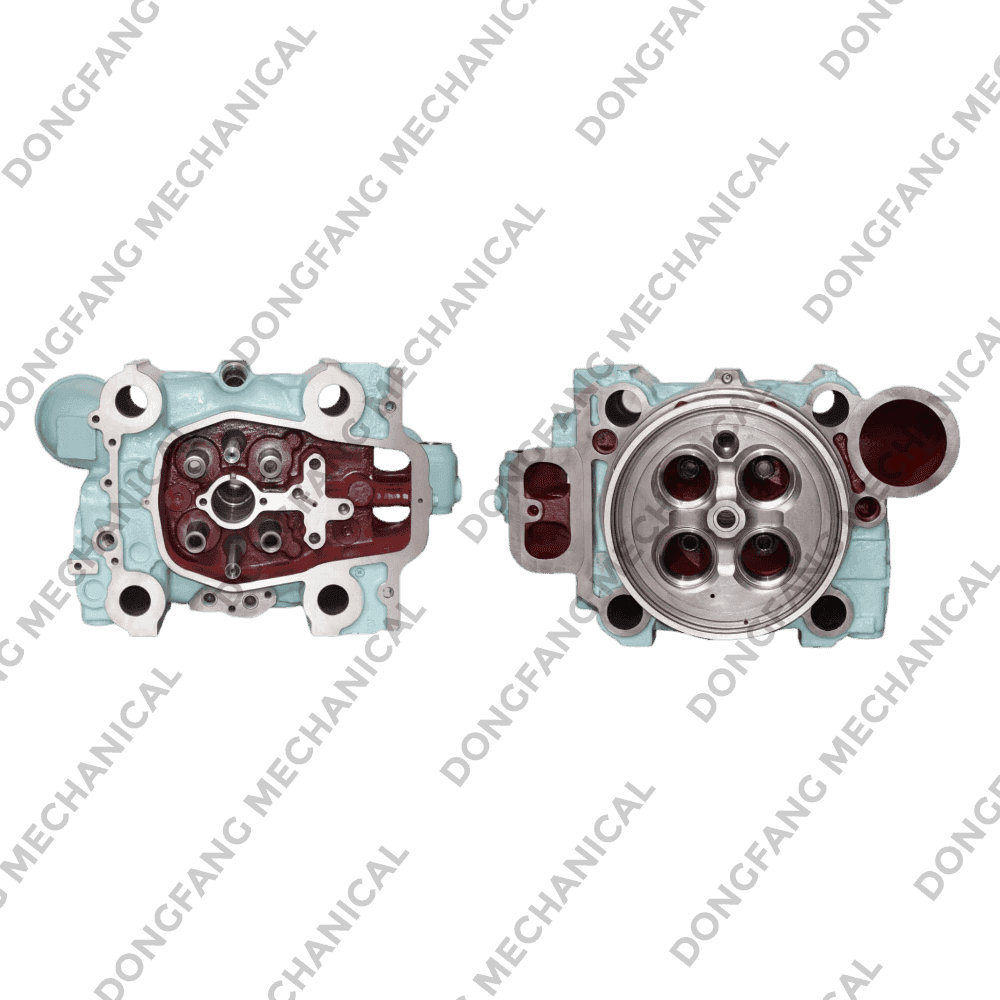
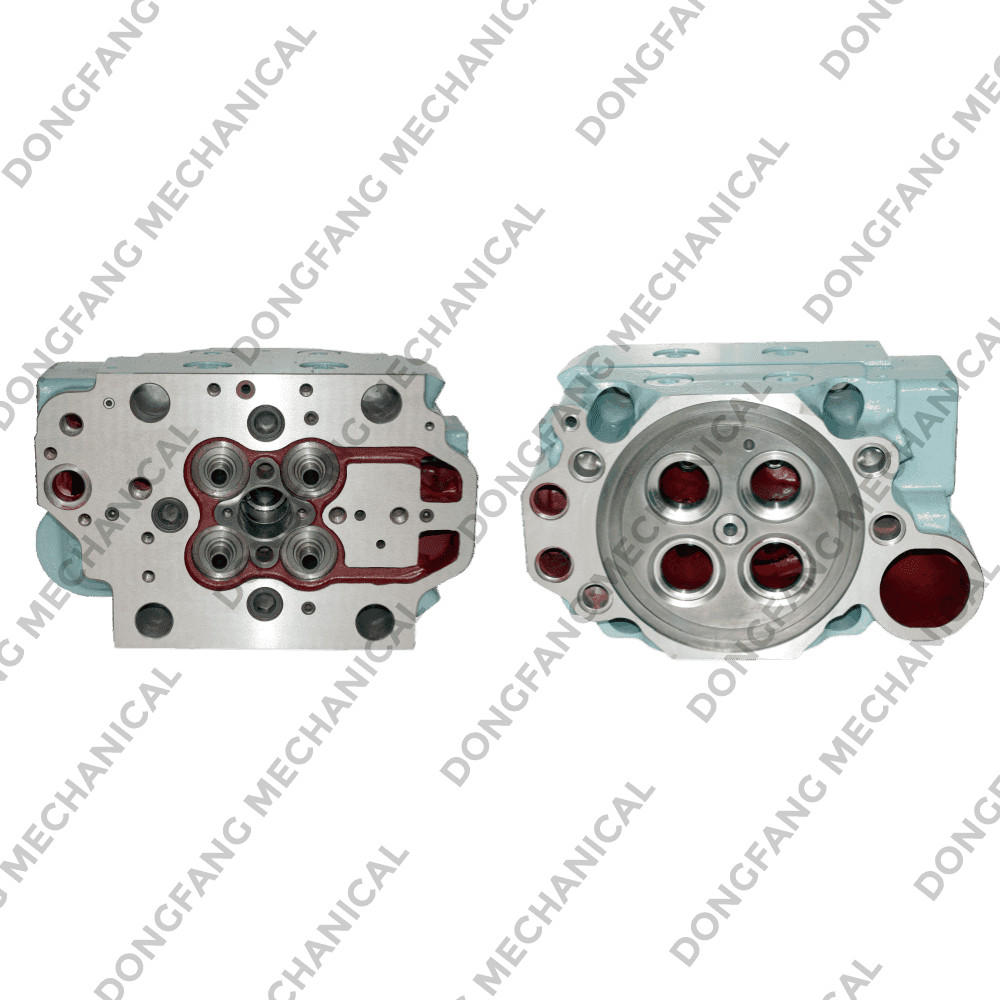
The cylinder head endures the highest combination of heat, pressure, and mechanical stress of any component in the engine, which is why sourcing an accurately machined replacement matters more here than almost anywhere else. A cylinder head that is off by even a fraction of a millimeter in surface flatness can prevent the head gasket from sealing properly, leading to compression loss or coolant mixing with engine oil. Dongfang Diesel manufactures Replacement Spare Parts Compatible with Yanmar Marine Diesel Engines using CNC-machined castings that are checked against original equipment dimensional drawings, with surface flatness held within 0.05 millimeters across the gasket mating face to maintain a reliable seal under repeated thermal cycling.
Material quality and its effect on service life
The base material used in casting a replacement part directly affects how long it lasts in a marine environment. Marine diesel engines are exposed to saltwater humidity even when installed in freshwater vessels, since salt-laden air travels through engine compartments in coastal regions. Components cast from low-grade iron or aluminum alloys corrode faster and are more prone to microcracking under thermal stress than parts made from higher-grade alloys that meet or exceed the metallurgical specification of the original component.
- Verify the alloy grade matches or exceeds OEM specification before purchase
- Ask suppliers for material certification or test reports when available
- Favor parts with corrosion-resistant coatings for saltwater-operated vessels
- Check for consistent casting quality with no visible porosity or surface defects
Evaluating a supplier before ordering
The reliability of a replacement part is only as good as the manufacturing and quality control process behind it. A supplier's track record and documentation practices are often better indicators of part reliability than price alone, since undercutting on cost frequently correlates with skipped inspection steps.
Documentation and traceability
Reputable manufacturers provide batch traceability records and inspection reports for critical components like cylinder heads and injectors, which allows a buyer to confirm the part was tested before shipment rather than taking quality on faith.
Warranty and return policy
A supplier confident in its manufacturing process typically offers a defined warranty period, commonly 12 months for major engine components, covering manufacturing defects. A vague or absent warranty policy is often a signal of inconsistent quality control.
Installation steps that protect your investment
Even a correctly sourced part can fail prematurely if installation steps are rushed or skipped. Following a consistent installation sequence reduces the risk of comeback failures and protects the warranty coverage on the new part.
- Confirm the mating surfaces are clean and free of old gasket material or corrosion before fitting the new part.
- Torque bolts to the manufacturer specified sequence and value using a calibrated torque wrench.
- Replace all associated gaskets and seals rather than reusing old ones during a major component swap.
- Run the engine at low load initially and monitor temperature and pressure gauges for the first operating hours.
Choosing parts for long-term reliability
Selecting the right spare parts for a Yanmar marine diesel engine is ultimately about matching precise dimensional accuracy, verified material quality, and supplier accountability to the specific engine model in use. Prioritizing critical components like the cylinder head and injectors with the highest scrutiny, while confirming part numbers against the engine identification plate before every order, prevents the majority of fitment and reliability issues reported by boat owners and marine mechanics. Working with a manufacturer that documents its quality control process and stands behind its parts with a clear warranty gives the added assurance needed for equipment operating in demanding marine conditions.