عربى
عربى 
Content
- 1 Why Service Life Varies Across Components
- 2 Component-by-Component Service Life Breakdown
- 3 Factors That Shorten or Extend Service Life
- 4 Freshwater Versus Saltwater Operation
- 5 Signs a Replacement Part Needs Attention
- 6 Genuine Fit Aftermarket Parts Compared to Worn Original Equipment
- 7 Choosing Reliable Replacement Parts
- 8 Maintenance Practices That Maximize Lifespan
- 9 Practical Example From Fleet Operation
- 10 Cost Considerations Over the Engine Lifecycle
- 11 Final Thoughts
The typical service life of Replacement Spare Parts Compatible with Yanmar Marine Diesel Engines ranges from 2,000 to 12,000 operating hours, depending on the component type, load conditions, and maintenance quality. Cylinder heads and blocks tend to last the longest, often exceeding 10,000 hours under normal marine duty, while wear items such as gaskets, seals, and water pump impellers usually need replacement every 2,000 to 4,000 hours. Understanding this range helps boat owners and fleet managers plan maintenance budgets and avoid unexpected downtime at sea.
Why Service Life Varies Across Components
Not all engine parts wear at the same rate. This is because each component experiences a different combination of heat, pressure, friction, and chemical exposure during operation. A cylinder head, for example, is a structural part exposed mainly to thermal cycling, so it can remain serviceable for many years if cooling and lubrication are properly maintained. In contrast, a rubber impeller inside the raw water pump is a soft, sacrificial part designed to wear out on a fixed schedule, similar to a brake pad in a car.
Marine environments add another layer of complexity. Saltwater exposure, humidity, and vibration from wave action accelerate corrosion and fatigue compared to land-based diesel applications. According to general marine engine maintenance manuals published by engine manufacturers, saltwater cooling systems can reduce component life by 15 to 25 percent compared to freshwater-cooled equivalents if flushing routines are skipped.
Component-by-Component Service Life Breakdown
The table below summarizes commonly referenced service intervals compiled from OEM maintenance manuals and field data collected from marine repair workshops. These figures are general benchmarks rather than fixed guarantees, since actual results depend on how the vessel is operated.
| Component | Typical Service Life | Primary Wear Cause |
| Cylinder Head | 8,000 - 12,000 hours | Thermal cycling, valve seat wear |
| Cylinder Block | 10,000 - 15,000 hours | Cylinder liner scoring, corrosion |
| Piston and Rings | 6,000 - 9,000 hours | Ring groove wear, carbon buildup |
| Crankshaft and Main Bearings | 10,000 - 14,000 hours | Lubrication breakdown, fatigue |
| Fuel Injectors | 4,000 - 6,000 hours | Nozzle erosion, fuel contamination |
| Raw Water Pump Impeller | 1,000 - 2,000 hours | Rubber fatigue, dry running |
| Head Gaskets and Seals | 2,000 - 4,000 hours | Heat cycling, torque relaxation |
| Turbocharger | 5,000 - 8,000 hours | Bearing wear, oil coking |
| Heat Exchanger | 6,000 - 10,000 hours | Salt scaling, tube corrosion |
Factors That Shorten or Extend Service Life
Operating Conditions
Continuous high-load operation, such as commercial fishing or towing, generates more heat and mechanical stress than recreational cruising. Vessels operated at 70 to 85 percent of rated load for extended periods typically show 20 percent faster wear on cylinder heads compared to boats run at lighter, intermittent loads.
Fuel and Oil Quality
Using contaminated fuel or skipping oil analysis is one of the most common causes of premature injector and bearing failure. Marine workshops frequently report that engines running on properly filtered, water-free fuel see injector life extend by 30 percent or more compared to engines using untreated fuel.
Cooling System Maintenance
Salt buildup in heat exchangers and raw water circuits reduces cooling efficiency, which raises operating temperatures and accelerates gasket and seal breakdown. Flushing the cooling system with fresh water after every saltwater outing is one of the simplest ways to preserve component life.
Storage and Idle Periods
Long idle periods without proper winterization or corrosion protection can be just as damaging as heavy use. Moisture trapped inside cylinders during storage leads to internal corrosion, sometimes shortening cylinder head and block life by 10 to 15 percent.
Installation Accuracy
Even a high quality part can fail early if it is installed incorrectly. Improper torque sequence on a cylinder head, for example, can cause uneven gasket compression and lead to coolant leaks within the first few hundred hours. Following the manufacturer specified torque values and sequence is essential for reaching the expected service life.
Freshwater Versus Saltwater Operation
The type of water an engine operates in has a measurable effect on part longevity. Engines that run exclusively in freshwater lakes and rivers generally experience slower corrosion rates on external components such as heat exchangers, exhaust risers, and raw water pump housings. Saltwater operation, on the other hand, introduces chloride ions that accelerate galvanic corrosion, particularly around dissimilar metal joints.
| Operating Environment | Heat Exchanger Life | Impeller Life |
| Freshwater | 9,000 - 10,000 hours | 1,500 - 2,000 hours |
| Saltwater | 6,000 - 7,500 hours | 1,000 - 1,500 hours |
This difference underscores why vessel owners operating primarily in coastal or ocean waters should inspect wear parts more frequently than those on inland waterways.
Signs a Replacement Part Needs Attention
- Rising exhaust temperature or unusual smoke color
- Coolant loss without visible external leaks, often pointing to a failing head gasket
- Reduced raw water flow, which signals impeller wear
- Rough idling or power loss linked to worn fuel injectors
- Metallic knocking sounds indicating bearing or liner wear
- Oil pressure fluctuation during steady cruising speed
- Visible white residue around gasket seams after washdown
Catching these early symptoms during routine inspection can prevent a minor part replacement from turning into a full engine rebuild.
Genuine Fit Aftermarket Parts Compared to Worn Original Equipment
Many vessel owners face a decision point once original components approach the end of their service life: rebuild the existing part, source a used unit, or install a newly manufactured replacement built to original specifications. Each option carries different reliability outcomes.
| Option | Expected Remaining Life | Risk Level |
| Rebuilt original part | 40 to 60 percent of original life | Moderate, depends on machining accuracy |
| Used salvage part | Unpredictable, unknown history | High |
| Newly manufactured replacement to OEM specification | Full expected service life | Low |
Newly manufactured parts built to precise original dimensions generally offer the most predictable long term performance because they eliminate uncertainty around prior wear or hidden fatigue damage.
Choosing Reliable Replacement Parts
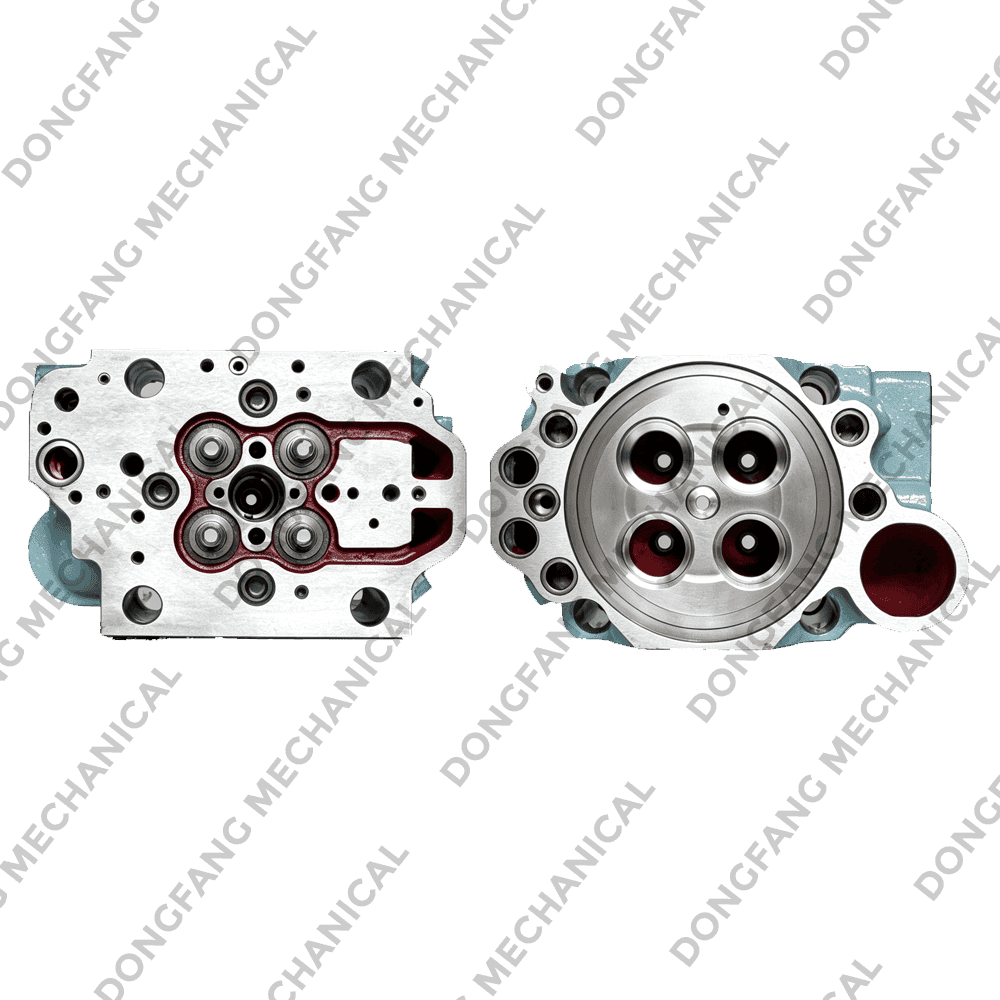
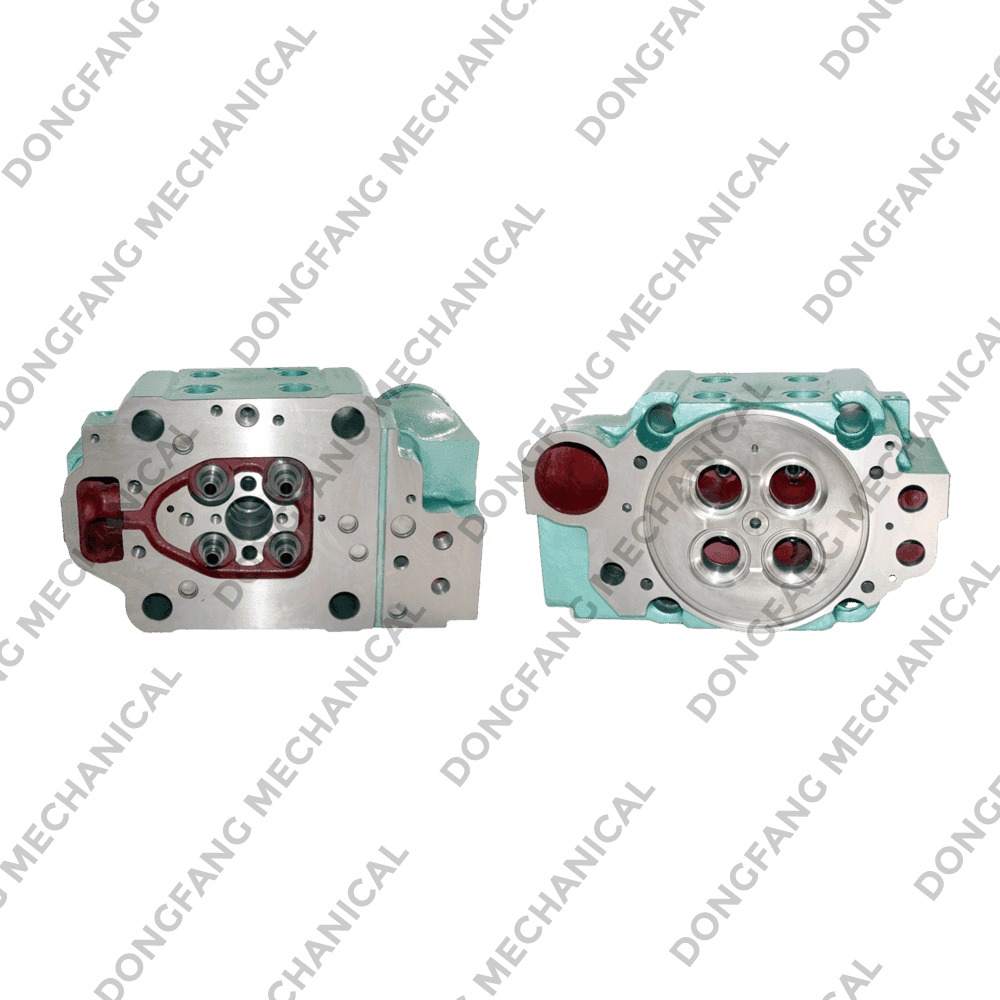
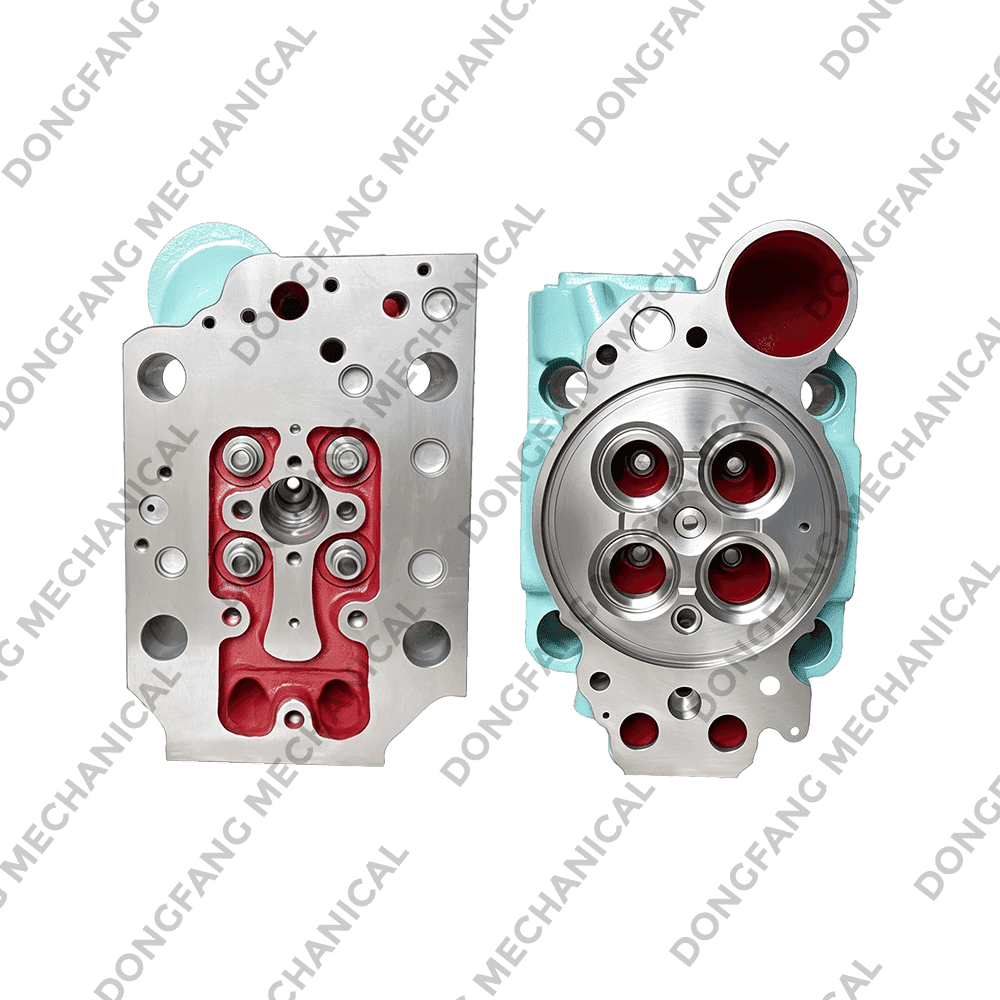
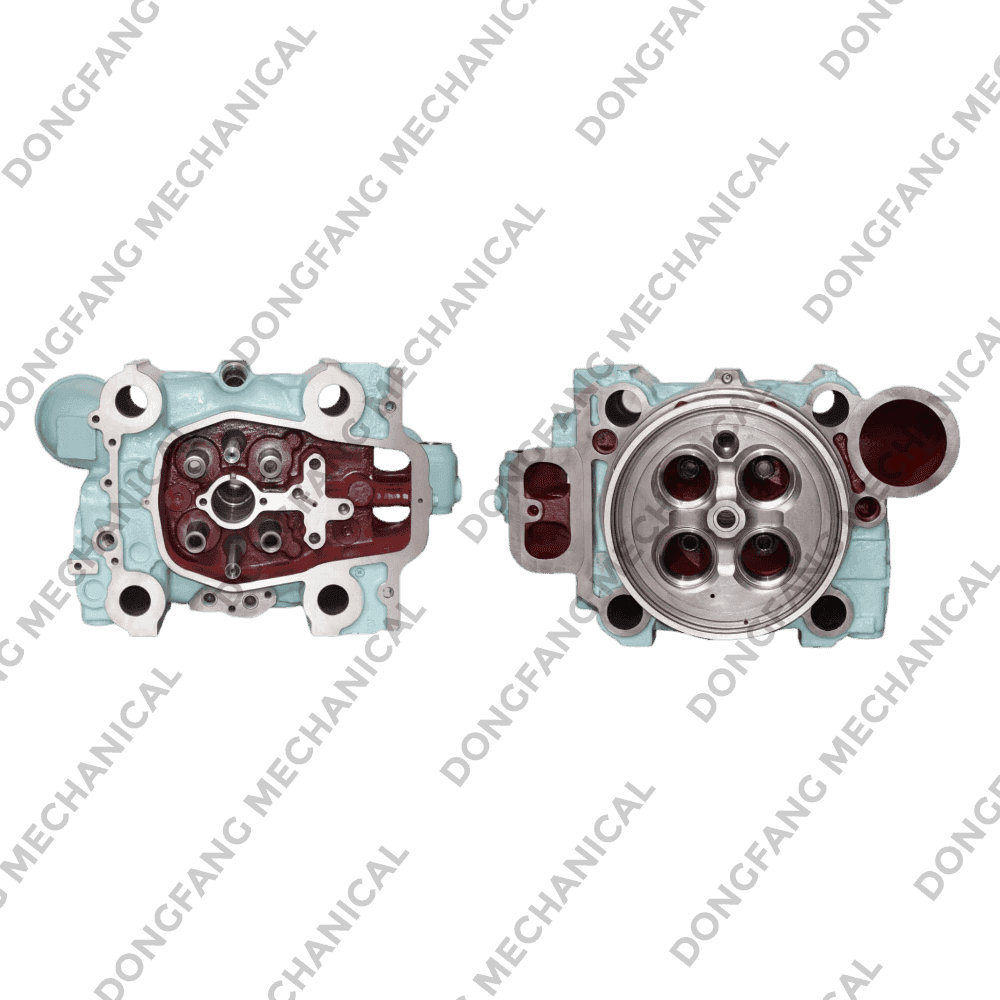
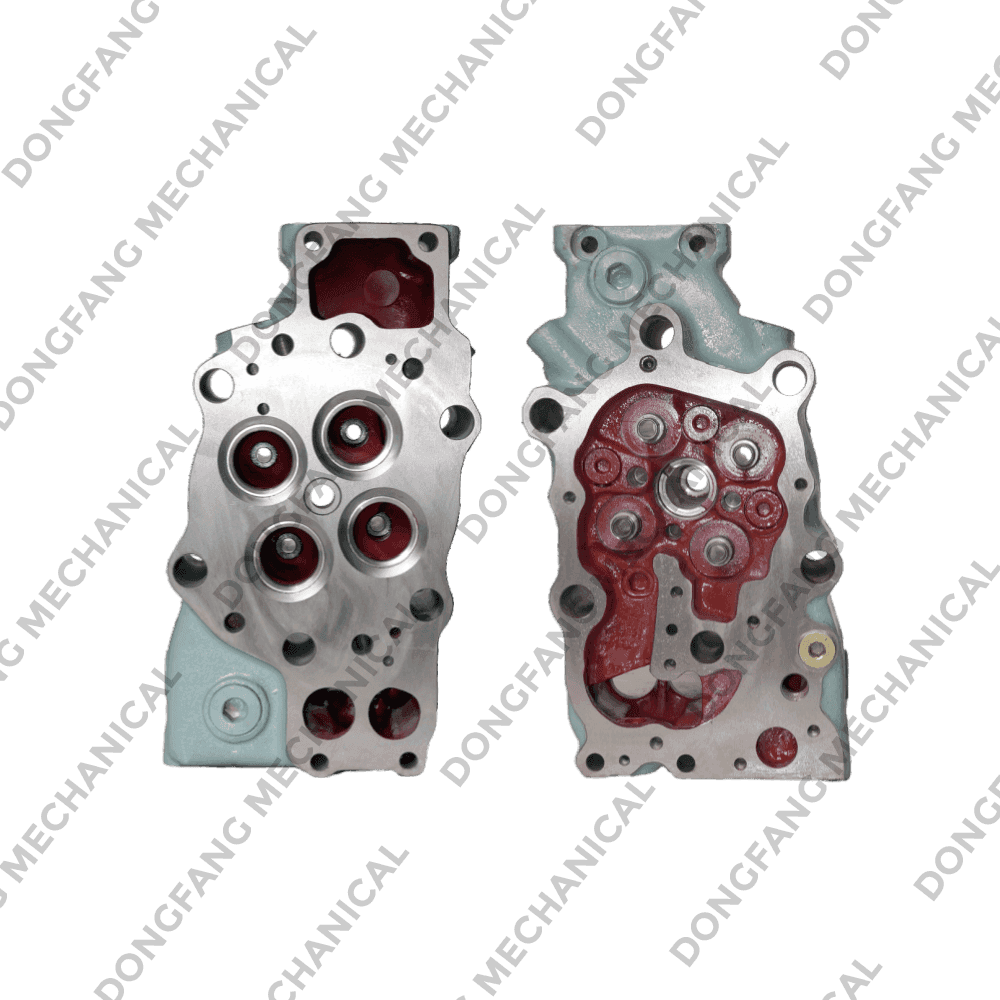
Because service life depends heavily on material quality and manufacturing tolerances, sourcing dependable components matters as much as following a maintenance schedule. Replacement Spare Parts Compatible with Yanmar Marine Diesel Engines are manufactured to match OEM dimensional specifications, which helps ensure proper sealing, heat dissipation, and combustion efficiency once installed. Choosing parts with consistent casting quality and verified fitment reduces the risk of premature failure that often comes from mismatched tolerances or inferior materials.
When evaluating a replacement cylinder head or related component, it helps to check for the following:
- Material certification matching the original alloy specification
- Precision-machined valve seats and mating surfaces
- Pressure testing records confirming no porosity or casting defects
- Clear fitment documentation for the specific engine model
- Consistent surface flatness on the gasket mating face
Maintenance Practices That Maximize Lifespan
Extending the service life of engine components comes down to consistent, preventive care rather than reactive repairs. Fleet operators who follow scheduled maintenance intervals report significantly fewer unplanned part replacements over a five-year ownership period.
| Maintenance Task | Recommended Interval |
| Oil and filter change | Every 250 hours |
| Impeller inspection or replacement | Every 1,000 hours or annually |
| Fuel filter replacement | Every 500 hours |
| Cooling system flush | After each saltwater trip |
| Valve clearance check | Every 1,000 to 1,500 hours |
| Zinc anode replacement | Every 500 to 800 hours |
| Coolant replacement | Every 1,000 hours or two years |
Practical Example From Fleet Operation
A common scenario reported by commercial marine workshops involves fishing vessels logging between 800 and 1,200 hours per year. Under this usage pattern, a cylinder head replacement built to original specification and installed with correct torque procedure typically remains in service for roughly eight to ten years before requiring attention, provided oil changes and cooling system flushes are performed on schedule. Vessels that skip cooling system maintenance for extended periods have shown gasket and seal failures occurring in as little as three to four years under the same usage pattern, illustrating how maintenance discipline directly affects real world part longevity.
Cost Considerations Over the Engine Lifecycle
Replacement part decisions should be evaluated against total cost of ownership rather than upfront price alone. A lower cost part with a shorter service life can end up costing more over a ten year period once labor for repeated installation is factored in. Budgeting for quality components built to correct specification generally reduces the frequency of unscheduled haul outs and associated labor costs, which often exceed the price difference between a standard part and a properly manufactured replacement.
Final Thoughts
The typical service life of Yanmar-compatible marine diesel spare parts spans a wide range, from roughly 1,000 hours for sacrificial wear items to over 14,000 hours for structural components like crankshafts and cylinder blocks. The single biggest factor separating engines that reach the upper end of this range from those that fail early is disciplined maintenance combined with high-quality replacement parts. Investing in precisely manufactured components and following manufacturer-aligned service intervals remains the most reliable way to keep a marine diesel engine running efficiently for years of dependable operation.